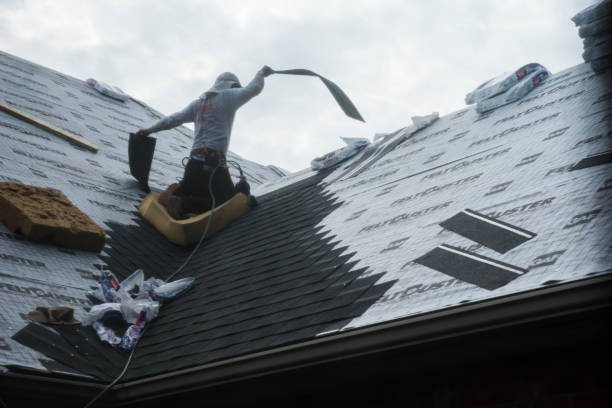
Roof damage rarely announces itself right away. Most of the time, problems begin quietly, hidden beneath shingles and layers you never see. Climate is one of the biggest reasons for this slow decline. Long before leaks appear or materials start falling apart, weather conditions are already pushing your roof to its limits every single day.
Constant Temperature Changes Take a Toll
Roofs are exposed to nonstop temperature shifts. Hot afternoons followed by cool evenings cause roofing materials to expand and contract repeatedly. Over months and years, this movement weakens joints, loosens fasteners, and dries out sealants.
Different materials react differently to temperature stress. Shingles may curl or stiffen, flashing can pull away from edges, and adhesives lose their holding power. These changes don’t cause immediate failure, but they slowly create vulnerable areas where future damage is almost guaranteed.
Sunlight Is More Destructive Than It Looks
Sun exposure is one of the most underestimated threats to roofing systems. Ultraviolet rays gradually break down roofing materials, especially asphalt shingles. As they dry out, they lose flexibility and become brittle. Protective granules begin to wear off, leaving the roof less capable of resisting heat and moisture.
Metal roofs face similar challenges. Daily heating and cooling stress fasteners and seams, while protective coatings degrade over time. Even though the roof may look fine from the ground, its protective strength may already be fading.
Moisture Causes Damage Without Obvious Leaks
Moisture doesn’t always enter through visible cracks or storm damage. Humidity, condensation, and trapped moisture under roofing layers can slowly compromise structural components. In colder regions, freeze-thaw cycles make things worse. Water slips into tiny gaps, freezes, expands, and widens those spaces with each cycle.
In warm or humid climates, moisture buildup encourages mold, mildew, and wood decay beneath the roof surface. These problems often go unnoticed until they affect insulation, ceilings, or indoor air quality.
Wind Stress Weakens Roofs Over Time
Wind damage isn’t always dramatic. While severe storms can tear off shingles instantly, everyday wind exposure causes subtler issues. Repeated lifting and settling weaken shingle bonds, loosen nails, and strain flashing around vents and chimneys.
Over time, these small shifts reduce the roof’s ability to stay sealed during heavy rain. What starts as a minor movement eventually becomes a pathway for water intrusion.
Changing Weather Patterns Increase Risk
Today’s roofs face more extreme conditions than ever before. Hotter summers, heavier rainfall, and stronger storms place additional pressure on materials that may not have been designed for constant extremes. A roof installed years ago might now be operating under harsher conditions than originally expected.
Without regular roof repair and maintenance, climate stress accelerates wear and shortens the roof’s lifespan—often without obvious warning signs.
Why Preventive Inspections Matter
Because climate-related damage develops gradually, routine inspections are essential. Professional roofers can detect early signs of deterioration, such as compromised underlayment, soft decking, or failing flashing—issues most homeowners can’t see.
Catching these problems early allows for targeted roof repairs instead of costly replacements. Preventive care not only saves money but also helps roofs perform better under ongoing climate pressure.
Conclusion
Your roof doesn’t need a major storm to suffer damage. Heat, sunlight, moisture, wind, and temperature changes quietly test it every day. By the time visible damage appears, underlying problems may already be advanced. Understanding how climate stress affects your roof—and responding with regular inspections and maintenance—can extend its life, protect your home, and prevent expensive surprises. A roof that’s cared for early is far more resilient than one repaired too late.
Tags : .....