How Can Vessel Operators Plan Navigation Equipment Upgrades in Jubail?
By ayman basheer 30-09-2026 4
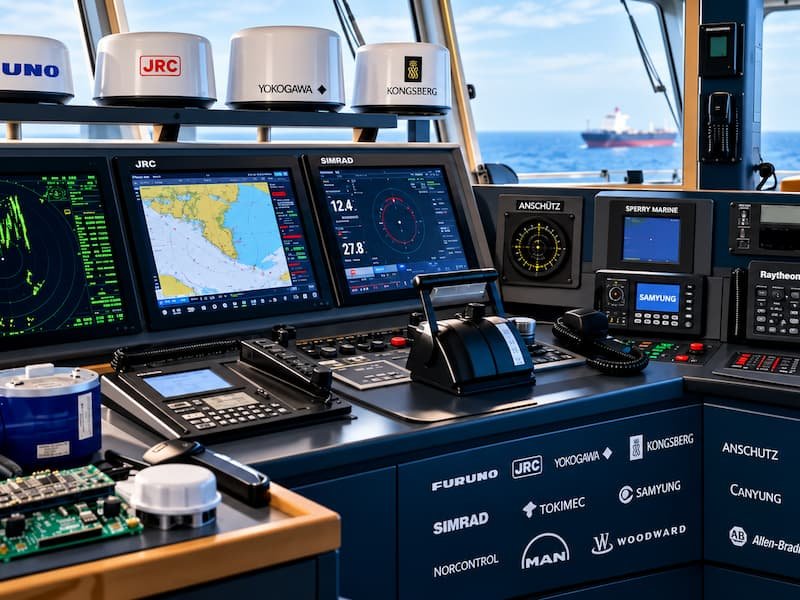
Vessel operators in Jubail need dependable navigation systems that support safe maneuvering and efficient marine operations. The careful planning marine equipment upgrades Jubail projects will enable the operators to know which systems are already old and enhance equipment reliability. The collaboration with a reliable marine navigation equipment supplier Jubail will also contribute to the business choosing appropriate solutions depending on the needs of the vessels.
An upgrade process cannot be done successfully just by changing old equipment. Operators must look at compatibility of the system, regulatory needs, installation times, maintenance services and future technology. bestincontracting can assist organizations with reliable contracting solutions where vessel operators should work on practical upgrade plans, which enhance operational preparedness and long-term performance.
A Practical Guide to Navigation Equipment Upgrades in Jubail
1. Begin With a Detailed Equipment Assessment
A clear list of the available navigation systems should be developed by the operators before they buy the new equipment. Check radar, ECDIS, AIS, GNSS, gyrocompasses, echo sounders, VDRs and other devices. Assessing the age of equipment, equipment condition, equipment service record, and software support can be used to determine which systems need replacement and which systems may still be used.
2. Understand the Vessel's Operational Requirements
The navigation equipment must be in accordance with the actual operating conditions of the vessel. Before selecting new systems operators need to take into account vessel size, trading routes, port approaches, maneuvering requirements and bridge operations. Knowing these factors can be used to develop an upgrade plan that is based on realistic performance rather than choosing equipment that has features that do not offer significant operational benefit.
3. Review Applicable Maritime Requirements
Compliance must be looked at during the initiation of an upgrade project. Operators are to consider relevant SOLAS requirements along with flag-state and classification requirements. The equipment needs may vary based on the characteristics of the vessels and their journeys. Premature regulatory inspections are used to prevent unforeseen changes and assure that the chosen systems are appropriate to the vessel.
4. Evaluate Existing ECDIS Capabilities
During the modernization of navigation, ECDIS must be given special consideration. IMO recognizes ECDIS as an important shipboard navigation system and has established carriage requirements for specified vessels. The operators ought to revisit type approval, software support, chart compatibility and backup plans before determining whether or not to upgrade or replace current equipment.
5. Plan for Evolving Digital Navigation Standards
The current navigation technology is shifting towards more interoperable digital data using the IHO S-100 structure. The operators who intend to marine equipment upgrades Jubail projects should, therefore, negotiate future compatibility with equipment companies. S-100 encompasses products on electronic charts, bathymetry, water levels, currents and navigational warnings.
6. Check Compatibility Between Navigation Systems
The new equipment must be compatible with the existing bridge systems on the vessel. Interfaces between radar, AIS, ECDIS, GNSS, gyrocompasses and other sensors should be examined by operators. Procurement can be checked on data exchange requirements to avoid integration problems. Closer bridge surroundings can also enable crews to have a better and more reliable navigation information.
7. Examine Positioning System Performance
Correct positioning is the key to reliable vessel navigation. The assessment should involve the inspection of GNSS receivers, antennas, and signal quality and other equipment by the operators. They must also establish whether positioning information gets to the related bridge systems in an appropriate manner. It is also necessary to review backup arrangements when upgrading vessels that work in harsh marine conditions.
8. Assess Radar and AIS Performance
Radar and AIS must be considered as an overall capability of the vessel to be aware of its traffic. Target detection, tracking performance, data quality and display integration can be reviewed by the operators. Equipment condition must also be monitored as well as the performance of the antennas and software support. Such tests can identify areas of weaknesses that can compromise navigation in congested operations.
9. Coordinate Upgrades With Vessel Schedules
The vessel should be considered in terms of the installation planning. Whenever feasible operators are able to schedule significant equipment operations with dry-docking or planned maintenance. Installation services can involve cabling, antennas, bridge consoles, software configuration and testing. The planning of such activities beforehand can minimize downtime and minimize the impact on vessel operations.
10. Evaluate Long-Term Maintenance Support
The equipment used must be based on the whole operating life and not on the initial cost of purchase. Operators are to investigate the availability of spare-parts, the technical support, software updates, calibration needs and servicing. Equipment that has reliable support may be selected, which will simplify the maintenance in the future and minimize the case of prolonged downtime due to the unavailability of components or expertise.
11. Develop a Phased Upgrade Strategy
All navigation systems do not have to be changed at the same time. The operators can also be able to give priority to the obsolete or unsupported equipment and then schedule the other replacements based on the condition and service life. The incremental process will be able to distribute investment over the scheduled maintenance intervals and to enable crews and technical teams to deal with every upgrade cautiously without causing undue operational disruption.
12. Test and Commission All Upgraded Systems
The entire environment of navigation should be tested upon installation. The operators are expected to test sensors, displays, alarms, interfaces and data communication instead of testing the components individually. Familiarization of the crew should also be made prior to returning equipment to normal operation. Comprehensive commissioning can be used to detect integration issues and ensure that systems are functioning as intended.
Conclusion
Effective marine equipment upgrades Jubail planning starts with understanding the vessel's existing systems and operational needs. Before making purchasing decisions, operators ought to consider the state of equipment, regulatory needs, integration features and future technology. The upgrade process can be more organized with a structured assessment that can facilitate reliable navigation and effective vessel operations.
An effective modernization plan must also be based on the time of installation, maintenance, crew training, and compatibility in the long run. The IHO still works on S-100 based navigation products and standards that renders future readiness a significant factor to consider in new systems. Thoughtful planning can assist vessel operators to develop a navigation system that can be relied on despite the ongoing changes in maritime technology.
Tags : marine navigation equipment supplier