How Can Procurement Teams Reduce Risks When Sourcing Industrial Materials?
By ayman basheer 23-09-2026 6
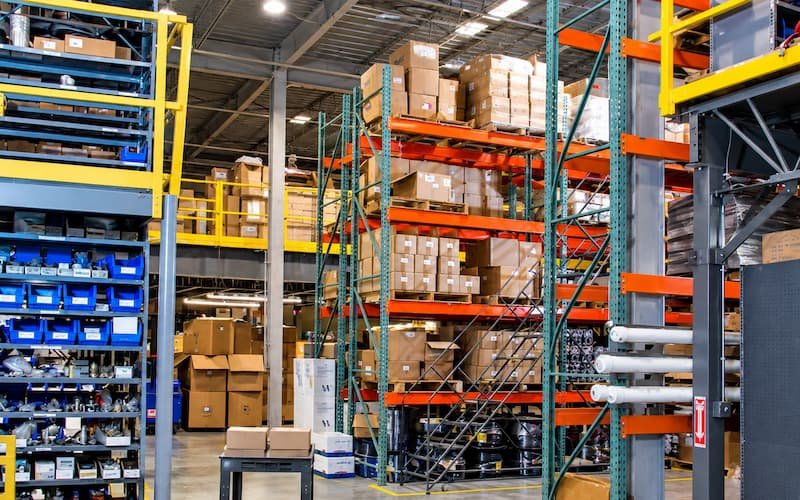
Industrial material sourcing can become challenging when businesses depend on multiple suppliers for products that directly affect projects and daily operations. Delays in quality issues Quality issues can be generated by the lack of clarity in specifications and supplier capacity problems can easily generate extra costs. When selecting an Industrial Materials Supplier Saudi Arabia, careful consideration of the consistency of products and ability to be reliable should be done. Through bestincontracting businesses are able to handle the industrial procurement more attentively towards the quality of suppliers and reliable supply of materials.
Procurement teams require a realistic process that does not just entail comparison of quotations. A supplier can provide competitive prices but has a problem with production capacity that is not always of the same quality or has a problem with delivery delays. A stronger sourcing strategy considers technical requirements supplier background quality controls logistics and contingency planning. This method enables companies to detect the possible issues earlier and have a better control of the purchasing decisions.
Strategies to Reduce Risks in Industrial Material Procurement
1. Define Material Specifications Clearly
Clear requirements of the material should be the starting point of every procurement process. Teams should document grades dimensions tolerances quantities certifications packaging and delivery expectations before requesting quotations. Detailed specifications provide the suppliers with a uniform idea of what is required and minimize chances of getting inappropriate products. Clarity of purchasing information also makes comparisons of suppliers significant.
2. Conduct Detailed Supplier Due Diligence
Before a supplier is included in the purchasing network, he or she is tested. The manufacturing capability financial stability certifications production capacity past experience can be examined by the procurement teams as well as quality practices. They must also look at the ability of the supplier to supply volumes as expected on a regular basis. Due diligence is a thorough exercise that assists businesses to establish weaknesses before they impact the projects.
3. Verify Quality Certifications and Standards
There should be no quality documentation that is not verified. The procurement departments ought to ensure that certificates standards and inspection records are applicable to the purchased materials. Where the requirements are critical, businesses may request samples to perform inspections or even come up with independent tests. These steps assist in ensuring that materials are per agreed specifications before getting into production.
4. Avoid Excessive Dependence on One Supplier
When materials are needed in the continued operation then a single supplier can be a big weakness. Deliveries can be impacted by production interruptions, transportation issues or unforeseen capacity constraints. Companies are advised to find alternative products to the essential ones and determine their capabilities in case of an emergency. Having more alternatives provides more flexibility in response to changes in the supply conditions.
5. Evaluate Total Cost Instead of Price Alone
An attractive quotation may seem appealing until one realizes that he or she incurs some extra costs. Failure to meet quality payments lead times transportation storage inspection should be considered by procurement teams as quality failures and replacement costs. When considering the entire cost, businesses have a better perspective of supplier value. It also does not allow buying decisions to be made on the basis of first price.
6. Monitor Supplier Performance Continuously
It should not stop at the signing of purchase agreement, but the evaluation of the suppliers must be continued. The procurement teams are able to monitor the quality of material delivery accuracy, material response times documentation, and complaints management. Performance reviews can be done regularly and help to detect common problems. They also allow time to negotiate with suppliers on how to improve, and minor issues will not lead to a major disruption in the operations.
7. Strengthen Incoming Material Inspection
Acceptance of materials into production should not necessarily be when they are received. The level of significance and risk of every material allows businesses to set up inspection processes. Checks could involve documentation review, visual inspection measurements or testing on the quantity. An appropriate inspection procedure will aid in the detection of nonconforming materials at an early stage and restrain their effects on the operations.
8. Build Visibility Across the Supply Chain
Being aware of the immediate supplier might not give sufficient information about supply risk. The procurement teams ought to know about key upstream relationships manufacture locations transportation paths and reliance on key materials. These links can be mapped to uncover unnoticed vulnerabilities. Enhanced visibility enables businesses to have alternative plans and react better in case disruptions arise.
9. Use Contracts to Establish Risk Controls
A properly drawn contract gives good expectations to both the buyer and the supplier. It should address material specifications delivery schedules quality requirements documentation inspection rights warranties and procedures for handling nonconforming products. Well-defined roles will help to minimize future conflicts. The powerful contractual controls also provide the procurement teams with a realistic structure of handling supplier performance.
10. Monitor Market and Geopolitical Conditions
There are external elements that can affect material availability that are beyond the control of a supplier. The transportation of commodities can be derailed by commodity prices, trade limitation due to weather, geopolitics can influence procurement decisions. The teams are expected to keep track of the pertinent market conditions and conduct periodical review of the significant sourcing plans. Earlier awareness will provide business with additional time to think about alternative supplies materials or delivery systems.
Conclusion
Effective industrial material sourcing does not only require locating a supplier who provides a good offer. The procurement teams should know that supplier capabilities ensure that the quality of materials monitors performance and prepares alternatives in case of crucial requirements. Such practices can minimize unnecessary disruptions as well as establishing a more reliable buying procedure to the industrial operations.
An intelligent procurement plan takes into account the entire cost and risks of each sourcing decision as well. Businesses can develop better procurement practices by enhancing supplier assessment through keeping specifications straight and enhancing inspections and tracking of supply chain performance. This provides a platform upon which there is a secure supply of materials and a more assured long term supplier relationship.