How Can I Rent Heavy Equipment in Saudi Arabia for a Construction Project?
By ayman basheer 17-09-2026 6
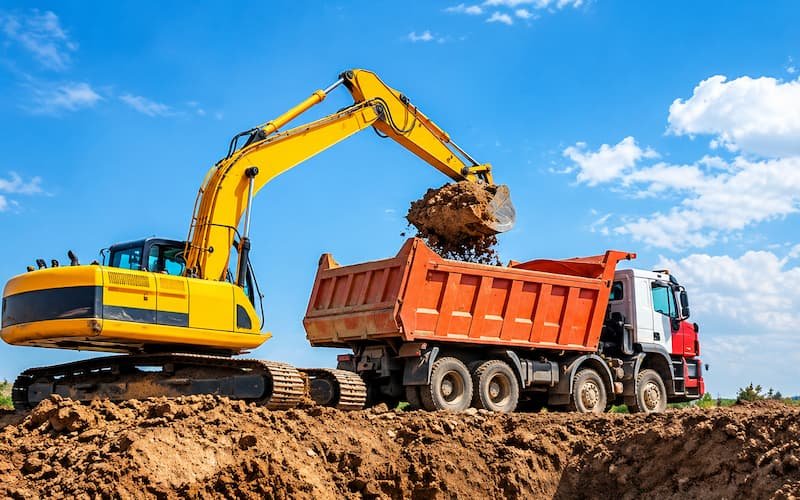
Construction projects in Saudi Arabia often require excavators, wheel loaders, cranes, bulldozers, rollers, forklifts, telehandlers, and other specialized machinery. Purchasing every machine needed for a project can tie up significant capital, particularly when equipment is required only for a defined construction phase. For this reason, heavy equipment rental Saudi Arabia services have become an important procurement option for contractors and project managers.
Renting machinery allows construction companies to match equipment availability with project schedules without necessarily taking ownership of every machine. However, selecting the right rental provider involves more than comparing daily or monthly rates. Equipment condition, specifications, availability, transportation, operator requirements, maintenance responsibilities, insurance, and rental terms can all affect the overall project cost and performance.
For contractors planning earthmoving, excavation, lifting, roadwork, industrial construction, or infrastructure activities, a structured rental process can help ensure the machinery is appropriate for the project's requirements.
What Heavy Equipment Can Contractors Rent in Saudi Arabia?
The type of machinery available depends on the supplier, project location, equipment fleet, and application. Common rental categories include:
Excavators
Bulldozers
Wheel loaders
Backhoe loaders
Motor graders
Soil and asphalt rollers
Cranes
Forklifts
Telehandlers
Skid-steer loaders
Dump trucks
Manlifts and access platforms
Generators and compressors
Specialized lifting and earthmoving equipment
Each machine is designed for particular applications. An excavator, for example, may be appropriate for trenching and excavation, while a motor grader is generally used for grading and surface preparation.
Contractors should therefore identify the work to be performed before selecting equipment rather than choosing machinery based solely on size or rental price.
How Can Contractors Rent Heavy Equipment in Saudi Arabia?
The rental process generally starts by defining the project's equipment requirements and then obtaining quotations from suitable equipment rental companies.
A practical process can include the following steps.
1. Define the Project Requirements
Start by identifying the construction activities that require machinery. Consider:
Type of work
Required machine capacity
Working depth or height
Site conditions
Project location
Expected operating hours
Required rental period
Required attachments
Delivery date
Operator requirements
For example, a foundation excavation project may require an excavator with a specific operating weight, bucket capacity, and digging depth. A road construction project may require a combination of graders, rollers, loaders, and other equipment.
2. Identify Suitable Rental Suppliers
Construction companies can approach specialized equipment rental companies, machinery suppliers, and businesses serving the construction and infrastructure sector.
When creating a supplier shortlist, consider whether the company regularly handles the type of machinery required for the project and whether it can deliver equipment to the relevant site.
3. Request Detailed Quotations
A rental quotation should provide enough information for the procurement team to compare offers accurately.
Ask suppliers to clarify:
Equipment model
Technical specifications
Rental rate
Rental duration
Delivery and collection charges
Operator charges, if applicable
Fuel arrangements
Maintenance responsibilities
Insurance requirements
Security deposit
Overtime charges
Damage or breakdown terms
Replacement arrangements
Comparing complete rental costs provides a more realistic picture than comparing the headline equipment rate alone.
Why Is Equipment Rental Useful for Construction Projects?
Rental can provide practical advantages when machinery is needed for temporary or project-specific activities.
Lower Initial Capital Commitment
Purchasing heavy machinery requires substantial upfront investment. Renting allows contractors to use equipment without acquiring the asset outright.
This can be particularly relevant for companies handling multiple projects with changing equipment requirements.
Access to Specialized Machinery
Some projects require equipment that may not be needed regularly. Renting can provide access to specialized machinery without requiring the contractor to maintain it as part of its permanent fleet.
Flexible Project Planning
Construction schedules can change as work progresses. Rental periods can sometimes be structured around specific project phases, subject to the supplier's terms and equipment availability.
Reduced Long-Term Ownership Responsibilities
Depending on the agreement, the rental provider may handle certain maintenance and service responsibilities. The exact division of responsibilities should always be established in the rental contract.
What Should Contractors Check Before Renting Heavy Equipment?
The suitability of a machine should be verified before it reaches the construction site. Several factors deserve attention.
Equipment Capacity and Specifications
Check operating weight, lifting capacity, bucket capacity, reach, digging depth, horsepower, dimensions, and other specifications relevant to the task.
The equipment must be capable of performing the required work under actual site conditions.
Equipment Condition
Ask about the machine's maintenance history, inspection status, operating hours, and general condition.
Before accepting delivery, contractors should inspect the equipment and document any existing damage or defects.
Attachments and Accessories
The required attachment can be just as important as the base machine. Depending on the project, contractors may need:
Buckets
Hydraulic breakers
Grapples
Fork attachments
Augers
Compaction attachments
Lifting accessories
Confirm that attachments are compatible with the selected machine and included in the quotation where required.
Maintenance and Breakdown Support
Heavy machinery operates under demanding conditions. A breakdown can interrupt construction activities and affect project schedules.
Ask the supplier:
Who performs routine maintenance?
How quickly are breakdowns addressed?
Is replacement equipment available?
Who pays for repair-related costs?
Is emergency technical support available?
These details should be documented before the rental begins.
How Much Does Heavy Equipment Rental Cost in Saudi Arabia?
There is no single rental price applicable to all heavy machinery. Rates depend on several project and equipment factors.
The main cost variables can include:
Equipment type
Machine size and capacity
Brand and model
Equipment age and condition
Rental duration
Number of machines
Project location
Transportation distance
Operator requirements
Fuel arrangements
Attachments
Maintenance terms
Working hours
Insurance and other contractual requirements
Longer rental periods may have different pricing structures from short-term rentals. Likewise, specialized equipment can have different rates from commonly available machinery.
For accurate budgeting, procurement teams should request project-specific quotations rather than relying on general online price estimates.
Rental With an Operator or Without an Operator?
One important decision is whether equipment should be rented with an operator.
Equipment With an Operator
This arrangement can be useful when the project requires experienced personnel to operate specialized machinery or when the contractor does not have suitable operators available.
The quotation should clearly identify whether operator wages, accommodation, transportation, overtime, and other related costs are included.
Equipment Without an Operator
Dry-hire arrangements may be appropriate when the contractor already has qualified personnel and wants direct control over machine operation.
The contractor should ensure that operators are appropriately qualified and that site-specific safety and operating requirements are addressed.
The correct option depends on the contractor's workforce, project requirements, equipment type, and contractual responsibilities.
How Can Contractors Choose a Heavy Equipment Rental Company?
Selecting a rental company should be treated as a procurement and risk-management decision.
Equipment Availability
Confirm that the required machines are available for the entire planned rental period. If the project schedule changes, clarify how extensions or early returns are handled.
Fleet Quality
Review the supplier's fleet and ask for relevant machine specifications, maintenance information, and inspection documentation.
Delivery Capability
Transportation can become a significant logistical consideration for large machinery. Confirm delivery arrangements, site access requirements, mobilization charges, and collection procedures.
Technical Support
A supplier with responsive maintenance and technical support can help reduce disruption when equipment experiences operational problems.
Contract Terms
Carefully review the rental agreement before signing. Pay particular attention to:
Rental period
Payment schedule
Security deposit
Damage responsibilities
Maintenance obligations
Breakdown procedures
Replacement equipment
Fuel
Operator responsibilities
Transportation
Insurance
Termination and extension conditions
Common Challenges With Heavy Equipment Rental
Rental can simplify equipment procurement, but contractors should plan for potential challenges.
Equipment Availability
Popular machines may not always be available when required, especially during periods of high construction activity. Early planning can help procurement teams secure the required fleet.
Unexpected Downtime
Mechanical problems can affect productivity. The rental agreement should specify how breakdowns are handled and whether replacement equipment is provided.
Transportation Constraints
Oversized machinery may require specialized transportation and careful coordination with the construction site.
Incorrect Equipment Selection
Renting a machine that is too small can reduce productivity, while selecting equipment that is unnecessarily large can increase costs and create site-access problems.
Unclear Rental Terms
Misunderstandings about fuel, operating hours, maintenance, transportation, and damage liability can lead to unexpected expenses.
A Practical Decision-Making Checklist
Before finalizing a rental agreement, project and procurement teams can use this checklist:
Project
What task will the equipment perform?
How long will the machine be required?
What are the site conditions?
Equipment
Is the capacity suitable?
Are the dimensions compatible with the site?
Are required attachments included?
Has the machine been inspected?
Supplier
Is the equipment available?
Can the supplier deliver to the project site?
What technical support is provided?
What is the supplier's breakdown response process?
Contract
What is included in the rental rate?
Who handles maintenance?
Who supplies fuel?
Are operators included?
What are the transportation costs?
What happens if the machine breaks down?
What are the extension and termination terms?
A clear review of these points can help contractors compare suppliers on overall value and project suitability.
When Should Contractors Start Looking for Rental Equipment?
Equipment planning should begin before the machinery is required on site. Procurement teams should consider lead times for quotations, supplier comparison, contract approval, transportation, site preparation, and equipment inspection.
For major infrastructure and construction projects, equipment requirements should ideally be incorporated into the project schedule and procurement plan. This allows project managers to coordinate machinery with excavation, earthworks, lifting, grading, material handling, and other construction activities.
Early planning is especially useful when several machines are needed simultaneously or when specialized equipment is required.
Conclusion
For construction companies planning projects in Saudi Arabia, heavy equipment rental Saudi Arabia services can provide a practical way to access machinery without purchasing an entire equipment fleet. The key is to treat rental as a structured procurement decision rather than simply selecting the lowest quotation.
Contractors should define their project requirements, compare equipment specifications, verify machine condition, assess supplier availability, review maintenance and breakdown support, and understand all rental-related charges before signing an agreement.
Whether the project involves excavation, earthmoving, road construction, infrastructure development, lifting, or industrial work, choosing equipment that matches the application and working conditions is essential. A well-planned rental strategy can help project managers coordinate machinery with construction schedules while keeping equipment procurement aligned with project requirements.
Best in Contracting connects construction, contracting, engineering, infrastructure, equipment, and industrial businesses, helping industry professionals explore relevant suppliers and services for their project needs.
Tags : heavy equipment rental services