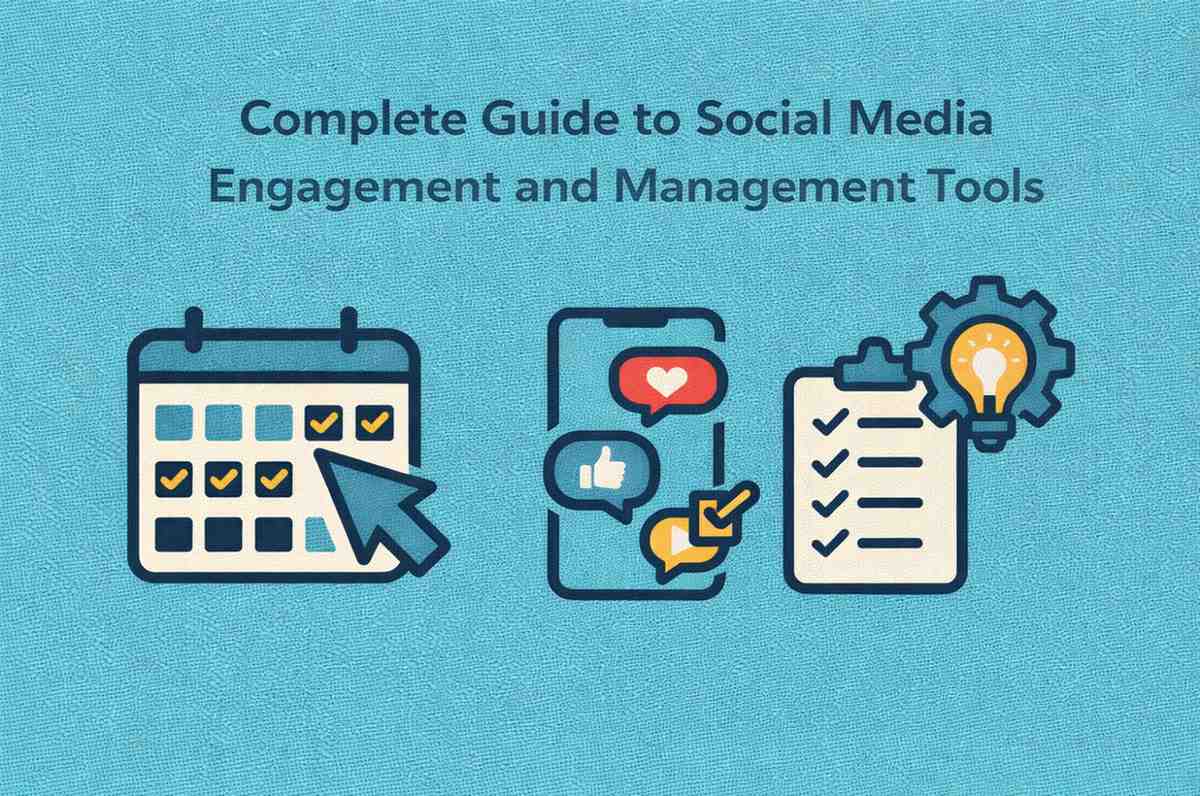
Social media today is more than just publishing content. It is an ongoing conversation between brands, creators, and audiences. While posting consistently is important, understanding what people are saying is equally valuable. This is why many teams rely on both social media listening software and social media scheduling tools to manage their online presence effectively.
When used together, these tools help organizations plan smarter, respond faster, and build stronger connections with their audience.
What Is Social Media Listening Software?
Social media listening software tracks conversations happening across social platforms. Instead of focusing only on direct mentions or comments, it analyzes broader discussions related to keywords, topics, and trends.
This software helps monitor:
- Brand mentions and indirect references
- Industry-related discussions
- Trending topics and hashtags
- Audience sentiment and feedback
- Competitor conversations
By gathering this information in one place, listening tools provide insights that manual monitoring often misses.
Why Listening Matters in Social Media
Social media is fast-paced, and conversations change quickly. Without listening, brands risk posting content that feels disconnected from what audiences care about.
Social media listening software helps:
- Identify audience needs and concerns
- Detect emerging trends early
- Understand how content is being received
- Prevent potential reputation issues
- Improve engagement quality
Listening turns social media into a two-way interaction rather than a broadcast channel.
What Are Social Media Scheduling Tools?
Social media scheduling tools allow users to plan and publish posts in advance. Instead of posting manually throughout the day, content can be organized into a calendar and released automatically at scheduled times.
Common features include:
- Post scheduling across platforms
- Content calendar management
- Draft and approval workflows
- Time-based publishing
- Basic performance tracking
Scheduling tools bring structure and consistency to social media efforts.
The Importance of Consistent Posting
Consistency helps maintain visibility and engagement on social platforms. However, posting regularly without a plan can lead to rushed or unclear messaging.
Social media scheduling tools help teams:
- Maintain a steady posting schedule
- Plan campaigns in advance
- Reduce last-minute stress
- Avoid missed posting opportunities
With content scheduled ahead of time, teams can focus more on engagement and strategy.
Why These Tools Work Better Together
Using social media scheduling tools without listening can result in content that misses the mark. On the other hand, listening without planning can lead to reactive posting without consistency.
When both tools are used together:
- Listening insights inform content planning
- Scheduled posts reflect current audience interests
- Messaging stays relevant and timely
- Engagement feels more thoughtful
Listening shapes strategy, while scheduling supports execution.
Improving Content Strategy Through Listening
Social media listening software reveals patterns in audience behavior. If a topic is being discussed frequently, it may be worth addressing in future content.
These insights help teams:
- Choose topics that resonate
- Avoid content that causes confusion
- Adjust tone and messaging
- Align content with audience sentiment
Scheduling tools then help turn these insights into a structured posting plan.
Managing Multiple Platforms Efficiently
Most brands operate across multiple social platforms, each with different posting styles and audiences. Managing them manually can be time-consuming.
Together, listening and scheduling tools help:
- Monitor conversations across platforms
- Plan platform-specific content
- Maintain consistent branding
- Reduce manual workload
This integrated approach improves efficiency without sacrificing quality.
Responding Faster and More Effectively
Listening tools alert teams to important conversations, while scheduling tools free up time to respond.
This allows brands to:
- Address questions and feedback promptly
- Join relevant conversations early
- Adjust scheduled content if needed
- Maintain a responsive presence
Timely responses improve trust and engagement.
Who Benefits From Using These Tools?
Social media listening software and social media scheduling tools are valuable for:
- Small businesses growing online presence
- Content creators and influencers
- Marketing agencies managing multiple clients
- Brands monitoring reputation
- Social media managers handling daily operations
Anyone responsible for online communication can benefit from this combination.
Best Practices for Using Listening and Scheduling Tools
To use these tools effectively:
- Review listening insights regularly
- Adjust content calendars based on trends
- Avoid over-automation in responses
- Maintain a human tone in communication
- Track performance and refine strategy
Tools should support thoughtful engagement, not replace it.
Challenges to Be Aware Of
Some challenges include:
- Information overload from listening data
- Limited features in basic tools
- Over-scheduling content without flexibility
Regular review and balance help avoid these issues.
Conclusion
Social media listening software and social media scheduling tools play complementary roles in modern social media management. Listening tools help understand conversations and sentiment, while scheduling tools ensure consistent and organized content delivery.
When combined, they create a more responsive, relevant, and effective social media strategy. By listening first and planning thoughtfully, brands and creators can build stronger connections and manage social media with greater confidence and clarity.