The Hidden Cost of Inefficient Entry Management
In many commercial and industrial facilities, vehicle entry management is often overlooked as a cost factor. However, inefficient entry systems can lead to significant operational losses over time.
In high-traffic environments, even small delays at entry points can result in measurable financial losses, reduced productivity, and operational inefficiencies. What may seem like a minor delay can accumulate into substantial long-term costs.
This is why businesses are increasingly shifting toward automated access control solutions to optimize both cost efficiency and operational performance.
The Cost Burden of Manual Entry Systems
Manual vehicle entry systems rely heavily on security personnel to verify and manage access. While this approach often appears cost-effective initially, it typically leads to higher long-term operational expenses.
Hidden costs include:
- Continuous staffing and labor expenses
- Delays that reduce operational efficiency
- Increased fuel consumption due to idle vehicles
- Human errors leading to security gaps
- Lack of accurate tracking and reporting
Operational studies show that inefficient entry management can significantly increase delays and reduce overall productivity in high-traffic facilities.
How Automation Reduces Operational Costs
Automated access control systems eliminate inefficiencies associated with manual processes. By enabling instant vehicle authentication, these systems reduce delays and streamline operations.
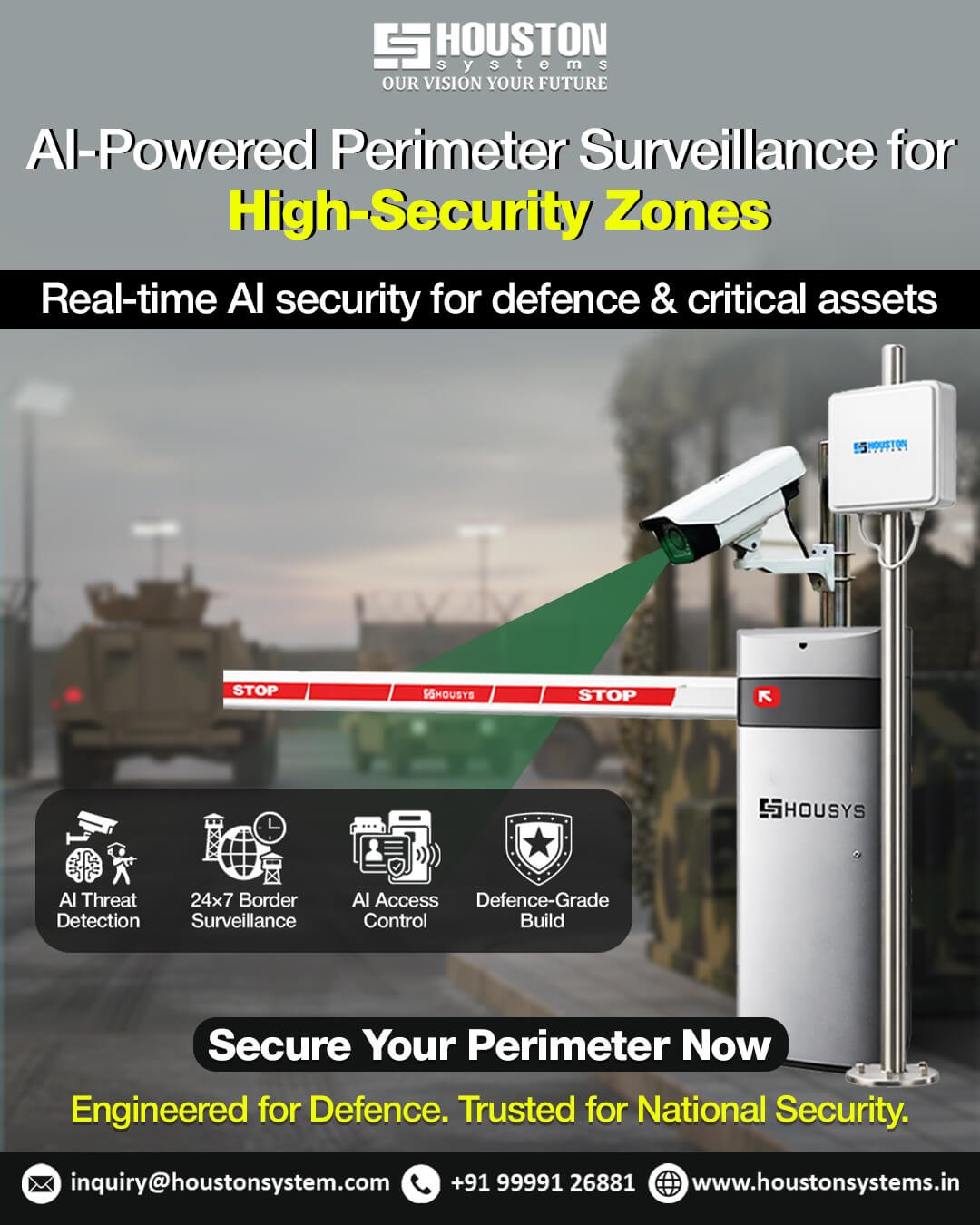
A highly effective solution is the implementation of cost-efficient boom barrier access systems, which combine automation with physical access control.
These systems help organizations:
- Reduce dependency on manual labor
- Minimize delays at entry and exit points
- Improve traffic flow efficiency
- Maintain accurate digital records
- Strengthen operational control
Automation ensures consistent, reliable, and scalable entry management.
Improving Vehicle Flow Efficiency
Efficient vehicle movement is essential for facilities handling high traffic volumes. Delays at entry points can disrupt operations, affect delivery schedules, and reduce overall productivity.
Boom barrier systems improve flow efficiency by:
- Enabling faster vehicle processing
- Eliminating manual verification delays
- Reducing congestion during peak hours
- Ensuring smooth and continuous movement
In fast-paced operational environments, even slight improvements in entry speed can significantly enhance overall performance.
Real-World Scenario: Cost Optimization in a Commercial Facility
Consider a commercial facility experiencing heavy daily vehicle traffic. Initially, entry management relied on manual verification, leading to delays and inefficiencies.
Before automation:
- High manpower costs for entry management
- Delays of 10–15 minutes during peak hours
- Inconsistent tracking of vehicle movement
After implementing an automated boom barrier system:
- Entry time reduced to under 2–3 minutes
- Reduced staffing requirements
- Improved traffic flow and reduced congestion
- Accurate digital records enabled better decision-making
Over time, the facility achieved measurable cost savings and improved operational efficiency.
Long-Term Value vs Initial Investment
One of the most common concerns businesses have is the initial investment required for automation. However, when evaluated over time, automated systems provide significantly higher returns.
Benefits include:
- Lower recurring operational costs
- Reduced dependency on manual processes
- Improved productivity and efficiency
- Enhanced security and control
The long-term value generated by automated systems far outweighs the upfront investment, making them a strategic business decision.
Key Features That Drive Cost Efficiency
When selecting an access control solution, businesses should focus on features that directly impact cost and performance:
- High-speed operation for busy entry points
- Integration with RFID or vehicle identification systems
- Automated logging and reporting capabilities
- Low maintenance requirements
- Scalability for future growth
Choosing the right system ensures sustained efficiency and long-term reliability.
Conclusion
Inefficient vehicle entry systems can silently increase operational costs and reduce productivity. Manual processes, while familiar, are no longer sufficient for modern high-traffic environments.
Automated solutions such as boom barrier systems provide a reliable way to reduce costs, improve efficiency, and streamline operations.
For businesses aiming to scale efficiently and maintain strong operational control, automated access management is no longer optional—it is essential.