The beauty trade is different from ten years ago. Students nowadays learn in a different way; they work differently too, and they demand far more from their education, like, basically. They don't want strict schedules that make learning hard or render teaching methods outdated. Instead, modern students usually want flexibility, real-world practice, and courses that actually prepare them for real professions.
And this change is kinda reshaping beauty school teaching. From tweaked teaching techniques to more adaptable schedules, institutions are moving quickly to fit the expectations of today’s students. Professional Qualifi Level 3 Diploma in Advanced Beauty Therapy and other advanced cosmetic training programs now emphasise real-world experience far more than classroom lessons, yeah.
Why Students Seek Flexible Learning Alternatives?
Almost everyone today has a hectic schedule. Some students are juggling part-time work and academics. Others balance study with family, business, or personal responsibilities. Strict timetables can sometimes get in the way of learning, so flexibility is one of the top qualities students look for before enrolling.
Many beauty schools today offer:
- Half-day programs
- Weekend meetings
- One-on-one practical training sessions
- More focused training groups
- Changeable registration times
These options help students feel more relaxed while they learn. Also, it lets them study at a pace that fits their life, not the other way around.
How Is Practical Learning Becoming More Important?
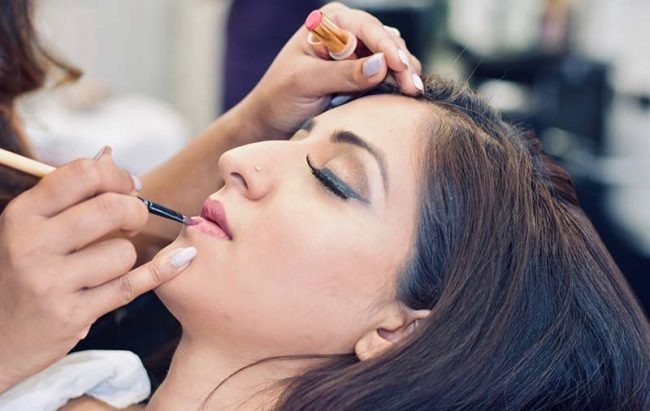
Today’s students need more than theory books and handwritten notes. They want something like sensible reassurance. Before jumping into the industry, they want to see real beauty procedures, client consultations, and a proper salon environment. Modern beauty training puts extra weight on practical experience because it helps students
- Enhance communication skills
- Build confidence around clients
- Learn skilled cleanliness standards
- Understand treatment processes better
- Get career-ready much sooner
Professional Holistic Courses have become increasingly popular among students who want both practical experience and technical knowledge, largely because of their realistic approach.
Why Are Students More Interested in Wellness-Based Training?
Beauty and health are closely connected now. People often visit salons for both aesthetic and non-appearance services. Many individuals today seek treatments that help them unwind, reduce stress, and improve their overall well-being.
So modern beauty training keeps shifting toward wellness-centred instruction. Students show greater interest in relaxation and self-care therapies, as these treatments become increasingly common in salons, spas, and wellness centres.
Popular examples might be:
- Massage techniques
- Unwinding methods
- Ritual skincare routines
- Wellness-oriented customer support methods
- Stress relief approaches
Professional Holistic Courses help students explore this growing side of the cosmetics industry and gain additional skills they can use later.
What Do Students Expect From Beauty Trainers Today?
Students today value sympathetic, experienced, and welcoming teachers. When instructors create a motivating rather than super pressured atmosphere, learning is usually easier. Modern students also respect educators who:
- Demonstrate treatments clearly
- Give personal responses
- Encourage questions throughout the program
- Emphasise genuine knowledge
- Share real industry experience
Modern beauty teaching increasingly depends on this student-focused mindset.
How Are Institutes Creating Better Learning Environments?
Many institutions now realise students perform better when they feel comfortable and supported. Especially for people returning to school after a long break, learning spaces have become friendlier.
Well-known places such as Fami Hair and Beauty Institute are adapting to these expectations by offering flexible schedules, certified instruction, and practical learning opportunities tailored to what current students actually need. More info can be found at Fami Beauty.
The institute has remained attentive to real-world teaching and to encouraging learning opportunities as it adjusts to ongoing industry changes.
Why are Accredited Qualifications still so useful?
Even if students like flexibility and creativity, accredited qualifications still matter a lot in the beauty business. Professional Qualifi Level 3 Award in Education and Training continue to attract future beauty professionals because authorised training usually improves career options and professional standing.
When students know their credentials are recognised in the sector, they normally feel more confident. Modern schools also blend practical learning with certified instruction, so learners get genuine salon experience alongside technical instruction.
In conclusion
These days, beauty education is increasingly centred around students. Institutes are evolving by offering flexible schedules, hands-on learning environments, and training programs that align with today’s industry needs.
Students now want career-driven, realistic, and supportive education. They want chances to grow personally while also building professional certainty.
As beauty education evolves, today’s colleges are showing that effective learning is no longer just about delivering information. It’s about getting to know students, supporting them to reach their goals, and preparing them for a fast-changing industry.
Tags : Beauty Training Institutes