How an RMC Plant in Lucknow Helps Reduce Overall Construction Costs
By Shubh Mehndi Artist 15-12-2025 39
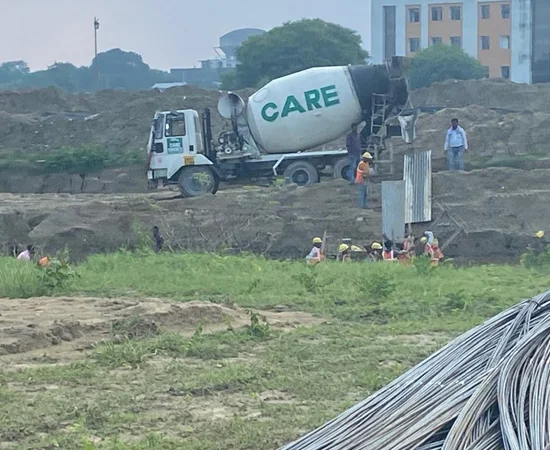
Construction in a growing city like Lucknow is no longer only about building structures. It is about managing time, resources, quality, and long term performance together. A few years ago, most sites depended on traditional on site concrete mixing. Cement bags stacked in corners, aggregates piled in open spaces, and manual supervision defined everyday work. However, as project sizes increased and timelines became tighter, this approach began to show its limitations.
Today, many project owners and engineers quietly acknowledge a shift. The decision to rely on an RMC Plant in Lucknow is not driven by convenience alone. It is increasingly seen as a strategic move to control expenses without compromising structural integrity. The cost advantage does not appear in one obvious place. Instead, it is the combined impact of efficiency, predictability, and reduced waste that changes the financial outcome of a project.
A Shift from Uncertainty to Planned Execution

Traditional concrete preparation often looks economical at first glance. Materials are purchased locally, and mixing happens within the site boundary. Yet beneath this apparent simplicity lies a pattern of hidden expenses. Inconsistent batching, excess material ordering, rework due to quality variations, and extended labor hours slowly inflate costs.
An RMC Plant in Lucknow introduces a different working rhythm. Concrete is produced in a controlled environment where raw materials are measured precisely and mixed using automated systems. As a result, the output is consistent across batches. This consistency directly affects cost planning. When engineers know exactly how the concrete will behave, they can design pours more efficiently and avoid safety margins that often increase material consumption.
Reduced Material Wastage Changes the Equation
One of the most underestimated contributors to rising construction costs is material wastage. On site mixing typically leads to leftover concrete, spillage, and degradation of stored raw materials due to weather exposure. Over time, these losses accumulate and reflect in higher procurement needs.
Ready mix production changes this pattern. Concrete arrives at the site in quantities aligned with actual requirements. Since batching is done using calibrated systems, overproduction is minimized. Moreover, controlled transportation ensures that the mix retains its properties until placement. This disciplined approach helps contractors significantly lower the volume of unused material, which in turn reduces overall expenditure.
Labor Efficiency Without Compromising Skill Value
Labor costs extend beyond daily wages. They include supervision, idle time, rework, and safety management. On sites where concrete is mixed manually, skilled workers often spend hours managing basic processes instead of focusing on structural execution.
When concrete is sourced from an RMC Plant in Lucknow, the labor dynamic changes. Fewer workers are required for mixing activities, and skilled personnel can concentrate on placement, curing, and finishing. Consequently, productivity improves without increasing workforce size. Over the duration of a project, this streamlined labor utilization results in measurable savings.
Time Savings That Translate into Financial Benefits
In construction, time and cost are deeply interconnected. Delays often trigger penalties, increased overheads, and extended equipment rentals. Traditional mixing methods are vulnerable to interruptions caused by labor shortages, inconsistent material supply, or equipment failure.
Ready mix supply follows a planned schedule aligned with project timelines. Concrete is delivered when needed, allowing pours to be completed efficiently. Faster cycle times enable quicker progression to subsequent construction stages. As a result, project durations shorten, reducing indirect costs such as site management and temporary infrastructure.
Predictable Quality Reduces Rework Costs
Rework is one of the most expensive consequences of poor quality control. Cracks, honeycombing, and strength variations often require corrective measures that consume additional materials and labor.
Concrete from an RMC Plant in Lucknow is produced under standardized quality protocols. Regular testing, controlled curing conditions, and adherence to mix designs ensure reliable performance. This predictability reduces the likelihood of defects, thereby lowering the need for remedial work. Over time, the savings from avoiding rework often exceed the initial cost difference between traditional and ready mix approaches.
Better Equipment Utilization Across the Site

Construction sites rely on multiple machines operating in coordination. Delays in concrete availability can leave equipment idle, increasing operational costs without productive output.
With scheduled deliveries, machinery such as pumps and vibrators can be used more efficiently. Equipment uptime improves, and planning becomes more accurate. This optimized utilization helps contractors reduce unnecessary rentals and maintenance expenses.
Long Term Durability as a Cost Control Strategy
While immediate savings are important, long term performance plays a crucial role in overall cost management. Structures built with inconsistent concrete often face maintenance issues earlier in their lifecycle. Repairs, strengthening work, and operational disruptions add to long term expenses.
High quality ready mix concrete offers improved durability and resistance to environmental stress. This extended service life reduces maintenance frequency and associated costs. In this context, sourcing concrete from an RMC Plant in Lucknow becomes a proactive investment in lifecycle cost reduction rather than a short term expense.
Environmental Efficiency with Financial Impact
Sustainability and cost efficiency are increasingly interconnected. Reduced material wastage, optimized transportation routes, and controlled production processes lower environmental impact while also cutting expenses.
Centralized production minimizes dust generation and noise pollution at construction sites. Additionally, efficient fuel usage during transportation contributes to reduced operational costs. These indirect savings strengthen the overall economic advantage of ready mix usage.
A Personal Perspective from the Field
During a mid scale residential project on the outskirts of the city, the project team initially opted for on site mixing to control expenses. Within months, inconsistent concrete quality led to repeated testing and minor repairs. Progress slowed, and labor costs escalated. Eventually, the team transitioned to a local RMC supplier. The change was immediate. Pours became predictable, daily targets were met, and supervision demands reduced.
This experience reflects a broader industry realization. Cost control is not about choosing the cheapest visible option but about selecting systems that reduce uncertainty. This is where structured suppliers such as care rmc quietly contribute by aligning technology, quality, and logistics into a cohesive process.
Data Driven Decisions for Modern Projects
Modern construction increasingly relies on data for planning and execution. Ready mix production integrates digital monitoring, allowing accurate tracking of volumes and delivery schedules. This data helps project managers forecast costs more accurately and make informed decisions.
As projects grow more complex, such transparency becomes essential. It allows teams to identify inefficiencies early and adjust workflows accordingly, further enhancing cost control.
Conclusion
Reducing construction costs is not achieved through shortcuts. It comes from improving processes, reducing uncertainty, and enhancing efficiency at every stage. An RMC Plant in Lucknow supports this approach by offering consistent quality, predictable delivery, and optimized resource utilization. The financial benefits emerge gradually through reduced wastage, efficient labor use, faster project timelines, and long term durability.
In a city where construction activity continues to expand, adopting ready mix concrete is less about following a trend and more about aligning with a smarter, data driven construction ecosystem.
FAQs
How does ready mix concrete help manage project budgets more effectively
Ready mix concrete provides consistent quality and predictable performance, which allows engineers to plan pours accurately. This reduces over ordering of materials and minimizes unexpected expenses related to rework or delays. Over time, these efficiencies help maintain budget discipline across the project lifecycle.
Is ready mix concrete suitable for small scale construction projects
Yes, ready mix concrete can be adapted to projects of varying sizes. Even smaller developments benefit from reduced material wastage, improved quality control, and efficient labor usage. These advantages often offset concerns related to scale and contribute to better cost management.
How does quality consistency influence overall construction costs
Consistent quality reduces the likelihood of structural defects that require repair. When concrete performs as expected, there is less need for additional testing, reinforcement, or corrective measures. This reliability plays a key role in controlling both direct and indirect project costs.
Does using an RMC plant affect construction timelines
Structured production and scheduled deliveries help maintain steady progress on site. Faster completion of concrete works allows subsequent activities to begin on time. Shorter project durations reduce overheads related to site management and equipment usage.
What long term cost benefits does ready mix concrete offer
Beyond initial construction, ready mix concrete contributes to enhanced durability and reduced maintenance needs. Structures built with consistent and well designed mixes tend to perform better over time, lowering repair frequency and associated costs throughout the building’s lifespan.
Tags : RMC Plant in Lucknow