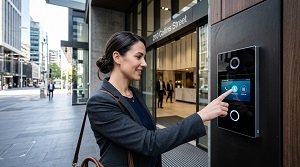
Aiphone intercoms have become a quiet hero in modern homes, especially when health and safety are top priorities. By allowing residents to see and speak with visitors before opening a door, aiphone devices create a barrier that protects families, seniors, and those with medical conditions. In this article we explore how aiphone technology works, why it matters for health‑focused households, and what Australian regulations, providers, and local nuances you should know before choosing a system.
Why Access Control Matters for Health
Good health isn’t just about diet and exercise; it also includes a safe living environment. Uncontrolled entry can expose vulnerable people to infections, allergens, or physical injury. An aiphone system gives you the power to screen visitors, manage deliveries, and limit exposure to airborne pathogens all without leaving the comfort of your home.
Key Health Benefits
- Reduced Infection Risk: By confirming a visitor’s identity before opening the door, you limit the chance of contagious illnesses entering the home.
- Enhanced Mobility Support: Seniors or people with limited mobility can interact with visitors without needing to walk to the front door.
- Emergency Response Integration: Many aiphone models can be linked to medical alert devices, allowing quick communication with caregivers or emergency services.
- Allergen Management: Visual confirmation helps you avoid opening the door to pollen‑heavy deliveries during peak allergy seasons.
Understanding Aiphone Technology
Aiphone devices combine audio, video, and sometimes biometric features to create a two‑way communication channel. Modern units use digital signal processing, Wi‑Fi or Ethernet connectivity, and cloud‑based management apps. This makes them more reliable and easier to integrate with other smart‑home health solutions.
Core Components
- Indoor Monitor: The screen inside the home where you see and speak to visitors.
- Outdoor Unit: The button or camera mounted at the entrance that captures video and audio.
- Power Supply: Usually a combination of mains power and battery backup for uninterrupted operation.
- Connectivity Module: Wi‑Fi, Ethernet, or optional cellular for remote monitoring.
- Software Platform: Mobile apps and web portals for real‑time alerts, call logs, and integration with health devices.
How It Works – Step by Step
- Visitor presses the outdoor button.
- The outdoor camera streams video to the indoor monitor.
- You speak through the indoor speaker; the visitor hears you via the outdoor speaker.
- If you grant access, you unlock the door remotely or manually.
- All events are logged in the aiphone app, which can be shared with caregivers.
Australian Regulations and Standards
When installing any access control system in Australia, it’s important to follow national and state regulations. These rules ensure safety, privacy, and compatibility with other building services.
Key Legal Requirements
- Electrical Safety: All aiphone installations must comply with AS/NZS 3000 (the Australian/New Zealand Wiring Rules). A licensed electrician should handle wiring.
- Privacy Act 1988: Video recordings must be stored securely, and occupants should be informed of any surveillance.
- Building Code of Australia (BCA): Intercoms must not obstruct fire exit routes and should meet fire‑rating requirements for wall penetrations.
- Disability Standards: For homes caring for people with disabilities, the aiphone should meet AS EN 301 549 for accessibility (e.g., visual alerts, tactile buttons).
State‑Specific Considerations
- New South Wales (NSW): Local councils often require a permit for exterior mounting on heritage properties.
- Victoria (VIC): The Victorian Building Authority encourages integration with health monitoring systems for aged‑care facilities.
- Queensland (QLD): In coastal areas, choose aiphone units with high IP ratings (IP65 or higher) to resist salt‑air corrosion.
Top Australian Providers and Competitors
Several retailers and installers specialise in aiphone systems across Australia. Below is a snapshot of the most reputable options, along with a few local competitors you might encounter.
Leading Providers
- Australian Intercom Solutions (AIS): Offers a wide range of aiphone models, free installation, and a 5‑year warranty.
- Smart Home Australia: Provides bundled packages that combine aiphone with smart lighting, security cameras, and health monitoring.
- TechGuard Pty Ltd: Focuses on commercial and residential projects with a strong emphasis on data security.
Local Competitors
- Ring (Amazon): While popular, Ring devices may not meet Australian privacy standards without additional configuration.
- Hikvision: Offers affordable video intercoms but often requires third‑party integration for health alerts.
- Local DIY Stores (Bunnings, Mitre 10): Stock basic aiphone kits that can be self‑installed, though they lack professional support.
Choosing the Right Aiphone for Health‑Focused Homes
Selecting an aiphone system isn’t a one‑size‑fits‑all decision. Consider the health needs of your household, the layout of your property, and the level of technical support you prefer.
Factors to Evaluate
- Video Quality: Look for at least 1080p resolution to clearly see facial features and medical identification badges.
- Audio Clarity: Noise‑cancelling microphones help when dealing with hearing‑impaired users.
- Integration Capability: Ability to connect with medical alert pendants, smart‑home hubs (e.g., Home Assistant, Alexa), and telehealth platforms.
- Battery Backup: Minimum 8‑hour power reserve for power outages, crucial for emergency situations.
- Ease of Use: Large buttons, high‑contrast displays, and voice‑activated commands benefit seniors and people with limited dexterity.
Recommended Models for Australian Homes
- Aiphone JOS‑1VW: Simple video doorbell with 2‑way audio, suitable for small apartments.
- Aiphone LEF‑422A: 7‑inch indoor monitor, IP65 outdoor unit, and optional Wi‑Fi module for remote alerts.
- Aiphone JOS‑3V: Multi‑door system with RFID access, ideal for larger homes with health‑care rooms.
Installation Tips and Best Practices
Proper installation ensures that your aiphone works reliably and stays compliant with Australian standards. Below are practical steps to follow, whether you hire a professional or take a DIY approach.
Preparation
- Identify the optimal location for the outdoor unit – usually at eye level on the front door.
- Check that the wall material can accommodate mounting brackets and that there is a nearby power source.
- Plan cable routes to avoid interference with existing electrical wiring.
Installation Steps
- Turn off the power at the circuit breaker.
- Mount the outdoor unit using the supplied brackets and sealant (especially important in coastal Q).
- Run the power cable to an interior junction box; connect to a dedicated circuit with a residual‑current device (RCD).
- Install the indoor monitor at a convenient height, preferably near the kitchen or living area.
- Connect the indoor and outdoor units using the supplied Ethernet cable or configure Wi‑Fi settings.
- Power the system back on and test video, audio, and door‑unlock functions.
- Register the device on the aiphone app and set up user accounts for family members and caregivers.
Maintenance Checklist
- Clean the outdoor camera lens monthly to prevent dust buildup.
- Test battery backup quarterly by simulating a power loss.
- Update firmware through the aiphone app to patch security vulnerabilities.
- Review access logs regularly, especially if the household includes patients with chronic conditions.
Questions and Answers: Common Questions About aiphone in Australia
Q1: Can I install an aiphone system myself, or do I need a licensed electrician?
A: For most Australian homes, a licensed electrician is required to connect the power supply and ensure compliance with AS/NZS 3000. Some basic video doorbell models can be DIY‑installed, but professional help guarantees safety and warranty coverage.
Q2: Do aiphone devices store video recordings locally or in the cloud?
A: Ai phone offers both options. The indoor monitor can store short clips on an internal SD card, while the companion app can upload footage to a secure cloud server. Choose the method that best fits your privacy preferences and the Australian Privacy Act.
Conclusion: Your Path to a Successful aiphone in Australia
Aiphone technology offers a practical, health‑centric solution for controlling access to your home. By understanding local regulations, choosing the right provider, and integrating the system with other health devices, you can create a safer environment for seniors, patients, and anyone with special medical needs. Start by assessing your household’s health requirements, consult a licensed electrician for installation, and explore integration options that fit your lifestyle. With the right aiphone setup, you’ll enjoy peace of mind, better infection control, and a more independent living experience.
Tags : Aiphone Technology