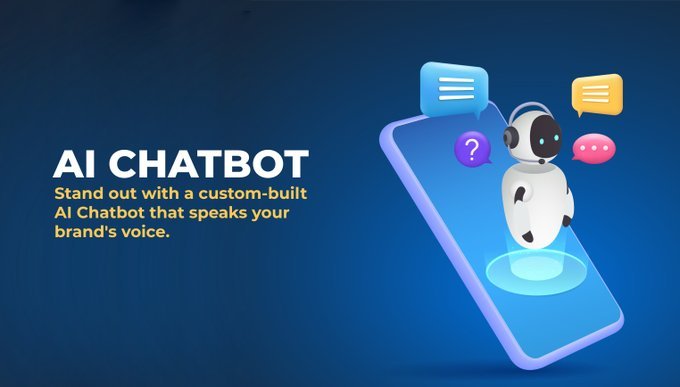
In today’s fast-paced digital landscape, businesses are constantly seeking innovative solutions to enhance productivity, reduce costs, and improve customer engagement. One of the most transformative technologies driving these goals is AI chatbot development. AI-powered chatbots leverage artificial intelligence, natural language processing (NLP), and machine learning to automate customer interactions, streamline internal workflows, and provide real-time support.
From small startups to multinational corporations, businesses across industries are adopting AI chatbots to boost efficiency, enhance customer experiences, and gain a competitive edge. In this article, we’ll explore how AI chatbot development is revolutionizing business operations and driving efficiency across multiple areas.
What Is AI Chatbot Development?
AI chatbot development involves creating software agents that can simulate human-like conversations with users through text or voice interfaces. Unlike traditional rule-based chatbots, AI chatbots use machine learning algorithms and NLP to understand intent, interpret queries, and provide intelligent responses.
Key features of AI chatbots include:
24/7 availability – Chatbots can handle inquiries anytime without human intervention.
Natural language understanding – They can interpret complex queries in multiple languages.
Automated workflows – Chatbots can handle repetitive tasks, freeing up human resources.
Integration with business tools – AI chatbots can connect to CRMs, databases, and payment systems.
How AI Chatbots Boost Business Efficiency
1. Automating Customer Support
One of the most significant efficiency gains comes from automating customer service. AI chatbots can handle common queries, provide instant responses, and resolve issues without human intervention. This reduces the workload on customer service teams, allowing them to focus on complex tasks that require human judgment.
Benefits include:
Reduced response time
Increased customer satisfaction
Lower operational costs
For example, a telecom company can use AI chatbots to manage billing inquiries, service requests, and troubleshooting, significantly reducing call center volumes.
2. Streamlining Internal Operations
AI chatbots are not just for external communication—they also enhance internal workflows. Businesses can deploy chatbots for HR, IT support, and operations management. For instance:
HR chatbots can answer employee queries about leave policies or benefits.
IT chatbots can help employees troubleshoot software issues.
Operations chatbots can provide real-time updates on inventory, shipments, or project progress.
By automating these repetitive tasks, organizations save time and reduce human error, boosting overall efficiency.
3. Lead Generation and Sales Automation
AI chatbots play a crucial role in sales and marketing automation. They can engage website visitors, qualify leads, and guide potential customers through the sales funnel. Features include:
Personalized product recommendations
Scheduling appointments and demos
Following up on abandoned carts or inquiries
By handling lead interactions automatically, chatbots free up sales teams to focus on closing deals and building client relationships, improving both efficiency and revenue.
4. Data Collection and Insights
AI chatbots can collect valuable customer data during conversations, providing businesses with actionable insights. They can track user behavior, preferences, and frequently asked questions. This data can help companies:
Identify pain points in customer journeys
Optimize products and services
Improve marketing strategies
With automated data collection, businesses can make informed decisions faster, increasing operational efficiency.
5. Reducing Operational Costs
By automating customer support, lead generation, and internal processes, AI chatbots significantly reduce operational costs. Companies can handle larger volumes of inquiries without expanding their workforce, leading to:
Lower staffing costs
Reduced training expenses
Fewer human errors
For instance, e-commerce platforms using chatbots for order tracking and FAQs save thousands of dollars annually in customer service resources.
6. Enhancing Customer Experience
Efficiency is not just about saving time—it’s also about delivering a seamless experience. AI chatbots ensure customers receive quick, accurate, and consistent responses. Key benefits include:
24/7 support availability
Reduced wait times
Personalized interactions
A positive customer experience translates to higher retention rates, increased loyalty, and better word-of-mouth referrals—ultimately improving overall business efficiency.
7. Multichannel Support
Modern AI chatbots are designed to operate across multiple channels, including websites, social media, messaging apps, and mobile applications. This ensures consistent and efficient communication across all platforms without additional human effort.
For example:
Facebook Messenger chatbots can answer customer queries directly on social media.
Website chatbots can provide instant assistance to visitors browsing products.
WhatsApp chatbots can handle order confirmations and notifications.
Multichannel capabilities allow businesses to engage customers wherever they are, enhancing efficiency and reach simultaneously.
8. Continuous Learning and Improvement
AI chatbots learn over time through machine learning algorithms. Each interaction improves their ability to understand user intent, respond accurately, and resolve issues efficiently. Continuous learning ensures that the chatbot becomes more effective, reducing human intervention and enhancing operational efficiency.
Real-World Examples of AI Chatbot Efficiency
Banking Sector – Banks use AI chatbots for account inquiries, loan applications, and fraud alerts. Chatbots reduce call center traffic and improve turnaround times for routine requests.
E-commerce – Online retailers deploy chatbots to assist with product searches, order tracking, and customer support. This leads to faster resolutions and increased customer satisfaction.
Healthcare – AI chatbots help schedule appointments, provide basic medical information, and answer patient queries, reducing administrative workload for healthcare staff.
Travel and Hospitality – Airlines and hotels use chatbots to manage bookings, answer FAQs, and handle cancellations, streamlining operations and improving customer service efficiency.
Best Practices for AI Chatbot Development
To maximize efficiency gains, businesses should follow these best practices:
Define clear objectives – Identify the specific tasks the chatbot will handle.
Focus on user experience – Ensure interactions are natural, intuitive, and personalized.
Integrate with existing systems – Connect the chatbot to CRM, ERP, and knowledge bases.
Continuously train the AI – Update the chatbot with new data and learnings.
Monitor performance metrics – Track resolution time, user satisfaction, and efficiency improvements.
Future of AI Chatbots in Business Efficiency
The future of AI chatbot development promises even greater efficiency improvements through:
Voice-enabled chatbots for hands-free interactions
Advanced predictive analytics to anticipate customer needs
Integration with IoT and smart devices for automated operations
Hyper-personalization using AI-driven insights
As AI technology continues to evolve, chatbots will play an increasingly strategic role in driving business efficiency and competitiveness.
Conclusion
AI chatbot development is no longer optional—it’s a critical tool for businesses looking to improve efficiency, reduce operational costs, and enhance customer experiences. From automating support and internal workflows to generating leads and gathering actionable insights, AI chatbots deliver measurable benefits across multiple dimensions.
By investing in AI chatbot development today, businesses can stay ahead of the competition, improve operational efficiency, and provide superior service to their customers in a fast-evolving digital world.
Tags : AI Chatbot Development AI Chatbot