How Advanced Drilling Technologies Are Transforming the Global Draw Works Industry
By johnryan 06-05-2026 162
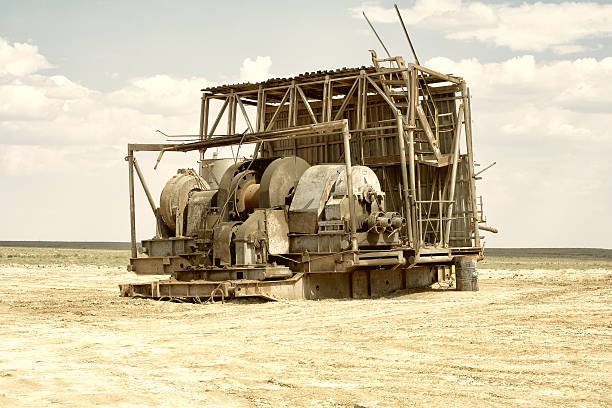
The global energy sector continues to evolve as oil & gas operators focus on improving drilling efficiency, operational safety, and equipment reliability. Among the critical systems used in drilling rigs, draw works equipment plays an essential role in lifting, lowering, and controlling drill strings during exploration and production activities. As drilling environments become increasingly complex, the demand for technologically advanced draw works systems is steadily increasing across both onshore and offshore applications.
Modern drilling projects now require equipment capable of supporting deeper wells, harsh operating conditions, and automated rig operations. In response, manufacturers are integrating advanced control systems, automation features, and enhanced safety mechanisms into draw works equipment. According to a detailed draw works industry analysis, the Global Draw Works Market is projected to grow at a considerable CAGR during 2023-28, supported by rising oil & gas exploration activities and growing offshore drilling investments.
Growing Energy Demand Is Supporting Drilling Activity Worldwide
Rapid industrialization and urban expansion across developing economies continue to increase global energy consumption. Countries in Asia-Pacific, Latin America, and the Middle East are actively investing in oil & gas exploration projects to strengthen energy security and support industrial growth. As a result, drilling operators are expanding both offshore and onshore activities, creating sustained demand for reliable rig equipment such as draw works.
The growing development of unconventional resources, including shale gas and tight oil reserves, is also contributing to equipment demand. Regions such as the United States and Canada continue to invest in unconventional drilling operations that require efficient hoisting systems and advanced drilling technologies. The U.S. Energy Information Administration highlights that shale production remains a significant contributor to overall crude oil and natural gas output in North America.
Automation and Digitalization Are Reshaping Rig Operations
Digital transformation has become a key trend across the oilfield equipment industry. Drilling contractors are increasingly adopting automated rig technologies to improve operational accuracy, reduce downtime, and enhance worker safety. Advanced draw works systems now feature automated controls, predictive maintenance capabilities, and real-time monitoring systems that support more efficient drilling performance.
Automation also helps operators manage increasingly complex drilling environments, particularly in Deepwater and ultra-deep-water exploration projects. Technologies such as automated braking systems, intelligent load monitoring, and integrated rig control platforms are improving operational consistency while reducing manual intervention. Industry organizations such as the International Association of Drilling Contractors continue to emphasize the importance of automation and safety integration in modern drilling operations.
Offshore Exploration Is Creating Long-Term Opportunities
Offshore drilling remains a major growth area for the draw works industry. Several countries are increasing offshore investments to diversify energy production and meet long-term demand. Offshore rigs require highly durable and technically advanced equipment capable of operating in challenging marine environments, making high-performance draw works systems increasingly important.
Floating production systems and subsea drilling projects have further increased the need for robust drilling infrastructure. Offshore operators are prioritizing equipment that can improve operational efficiency while complying with strict environmental and safety standards. According to the International Energy Agency (IEA), offshore oil production continues to play a crucial role in maintaining global energy supply stability amid rising consumption patterns.
Asia-Pacific Emerges as a Key Regional Growth Hub
Asia-Pacific is becoming one of the most active regions for drilling equipment deployment due to rapid industrial growth, expanding infrastructure development, and increasing energy demand. Countries such as China, India, Australia, and Indonesia are investing heavily in oil & gas exploration activities, including offshore drilling projects.
In addition to energy applications, industries such as construction, automotive manufacturing, and heavy engineering are contributing to regional equipment demand. Expanding industrial output across Asia-Pacific is encouraging greater adoption of advanced machinery and drilling systems. Government initiatives focused on infrastructure modernization are also indirectly supporting industrial equipment demand across the region.
The rise in offshore drilling activities in countries such as Malaysia and Australia is further strengthening the regional outlook. Increasing investments in energy exploration projects are expected to encourage equipment manufacturers to enhance regional production capabilities and technological innovation.
Equipment Costs and Oil Price Volatility Remain Key Challenges
Despite positive industry momentum, the draw works industry faces several operational and financial challenges. One of the primary concerns is the high cost associated with manufacturing and maintaining advanced draw works systems. Modern equipment requires precision engineering, advanced materials, and sophisticated automation technologies, which can increase overall project expenditure.
Fluctuations in crude oil prices also continue to impact exploration investments globally. During periods of declining oil prices, energy companies often reduce capital spending on new drilling projects, affecting demand for drilling equipment and associated technologies. This cyclical nature of the oil & gas industry creates uncertainty for equipment manufacturers and service providers.
Environmental regulations and safety compliance standards are becoming increasingly stringent as well. Drilling operators must ensure that equipment meets evolving operational guidelines while minimizing environmental impact. This has accelerated investment in safer, more energy-efficient, and technologically advanced drilling systems.
Innovation Will Continue to Define Industry Development
The future of the draw works industry is likely to be shaped by continued advancements in drilling automation, digital monitoring systems, and operational safety technologies. Equipment manufacturers are focusing on improving efficiency, durability, and precision to meet the changing demands of modern drilling environments.
As exploration activities expand into deeper and technically demanding reserves, the importance of reliable drilling infrastructure will continue to grow. The increasing integration of automation, predictive analytics, and smart rig technologies is expected to support operational optimization across the oil & gas sector.
With energy demand continuing to rise globally and offshore investments gaining momentum, the draw works industry is expected to remain an essential component of the evolving drilling ecosystem in the years ahead.