How Advanced Aquafeed Is Supporting Sustainable Aquaculture Across Europe
By Adam Williamson 31-07-2026 166
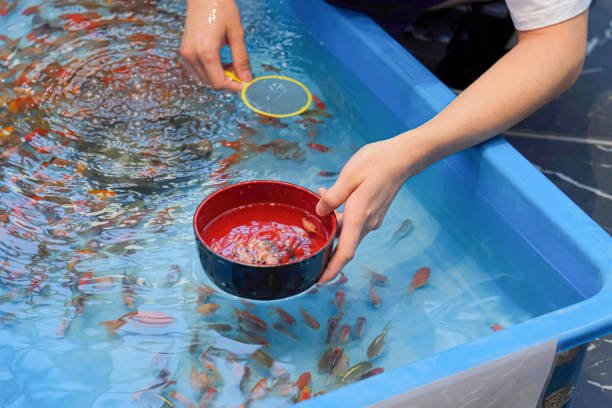
Aquaculture has become an essential component of Europe's food production system, supplying a wide range of fish and seafood products while helping meet growing consumer demand for sustainable protein sources. As fish farming operations continue to modernize, nutrition has emerged as one of the most critical factors influencing productivity, fish health, and environmental performance. High-quality aquafeed plays a central role in achieving these objectives by providing balanced nutrition that supports efficient growth throughout the production cycle. According to a Vyansa Intelligence report, the Europe Aquafeed Market was valued at USD 7.3 Billion in 2025 and is projected to reach USD 10.2 Billion by 2032, registering a CAGR of 4.89% during 2026–2032. The industry's expansion reflects the continued development of European aquaculture, increasing emphasis on sustainable feed solutions, and ongoing innovation in aquatic animal nutrition.
Sustainable Aquaculture Is Driving Demand for Specialized Feed
European aquaculture producers are placing greater emphasis on sustainable farming practices that improve productivity while minimizing environmental impact. Feed quality is directly linked to fish growth, feed conversion efficiency, nutrient utilization, and water quality, making it one of the most important operational inputs for commercial fish farms.
According to this aquafeed industry report, demand for specialized nutrition continues to increase as producers seek feed formulations tailored to species-specific nutritional requirements. Modern aquafeed supports healthy development while helping farms maintain consistent production performance under regulated aquaculture systems.
The growing focus on sustainability has also encouraged manufacturers to improve feed formulations that optimize nutrient absorption and reduce waste.
Nutrition Remains Central to Fish Health and Productivity
Aquafeed is carefully formulated to provide proteins, lipids, vitamins, minerals, amino acids, and other essential nutrients required throughout different growth stages. Balanced nutrition contributes to improved fish health, stronger immunity, and more efficient feed conversion, all of which influence production outcomes.
Industry analysis suggests that nutrition-focused feed development continues to play a significant role in improving biological performance across species such as salmon, trout, seabass, seabream, and other commercially farmed fish.
As aquaculture operations become increasingly sophisticated, producers are relying on scientifically formulated diets that support both productivity and animal welfare.
Innovation Is Transforming Feed Formulation
Research into aquaculture nutrition has resulted in significant advances in feed technology. Manufacturers continue exploring alternative protein sources, functional ingredients, precision nutrition, and improved pellet formulations designed to enhance digestibility and reduce nutrient losses.
Microalgae, plant-based proteins, insect-derived ingredients, and other innovative feed materials are receiving growing attention as the industry seeks to diversify raw material sources. Detailed market insights indicate that continued investment in feed innovation is helping improve sustainability while maintaining nutritional quality across commercial aquaculture operations.
Technological improvements also support more efficient feed utilization, contributing to better production economics for fish farmers.
Environmental Goals Encourage Alternative Feed Ingredients
Sustainability objectives across Europe are encouraging greater adoption of environmentally responsible feed ingredients. The European Commission continues to promote sustainable aquaculture practices, including the development of alternative feed resources that reduce dependence on traditional marine ingredients while maintaining fish performance.
The latest market analysis highlights that feed manufacturers are increasingly evaluating renewable and alternative ingredients capable of supporting long-term aquaculture development. These innovations contribute to more resilient supply chains while helping reduce pressure on natural marine resources.
Responsible feed formulation is becoming an important element of broader environmental strategies throughout Europe's aquaculture sector.
Digital Technologies Improve Feeding Efficiency
Digital technologies are transforming aquaculture management by enabling more precise feeding strategies. Automated feeding systems, sensors, artificial intelligence, and data analytics help producers optimize feed delivery according to fish behavior, water conditions, and growth requirements.
These technologies reduce unnecessary feed loss while improving production efficiency and operational decision-making. Research findings suggest that precision feeding technologies are becoming increasingly valuable as producers seek greater efficiency and sustainability throughout aquaculture production systems.
Improved monitoring also allows producers to better manage feed conversion ratios and overall farm performance.
Regulatory Standards Continue to Shape Feed Quality
Europe maintains comprehensive regulations governing animal feed safety, quality, traceability, and marketing. These regulatory frameworks help ensure that aquafeed products meet strict nutritional and safety requirements while supporting animal health and consumer confidence.
The comprehensive report indicates that strong regulatory oversight encourages continuous improvements in feed manufacturing practices, ingredient quality, and production consistency. Compliance with these standards remains an important consideration for feed manufacturers serving Europe's aquaculture industry.
Such regulations also contribute to maintaining high production standards throughout the aquatic food supply chain.
Outlook for the Industry
Europe's aquafeed industry is expected to continue evolving alongside advances in aquaculture production, nutritional science, and sustainable farming practices. As fish producers seek higher productivity, improved environmental performance, and efficient resource utilization, specialized feed solutions will remain fundamental to industry development.
The industry outlook suggests that continued innovation in feed ingredients, formulation technologies, and precision nutrition will support the long-term growth of European aquaculture. With increasing emphasis on sustainability, animal health, and operational efficiency, advanced aquafeed is expected to remain a key contributor to the future of responsible seafood production.