How a Commercial HVAC Contractor Plans for Climate Change and Future Growth
By A/C Control, Inc 08-12-2025 42
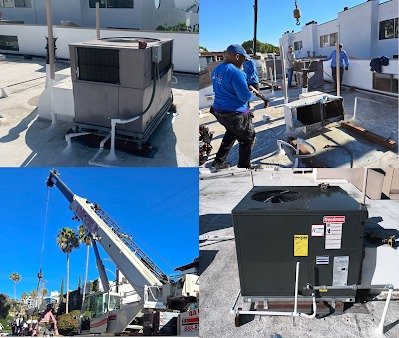
Heating accounts for about one-third of the energy used in U.S. commercial buildings.
We plan for that reality every day. We also plan for hotter summers and stricter rules. Therefore, our approach blends climate science with growth goals. As a Commercial HVAC Contractor Los Angeles, we think long-term. We study loads, codes, and budgets. Then we turn plans into action. Our goal is simple. We keep people safe and comfortable. At the same time, we lower costs and risks. Moreover, we make choices that age well. Because climate and business needs shift fast, we design for change. Finally, we track the results and make adjustments.
Mapping LA climate risks and timelines, Commercial HVAC Contractor
We work where heatwaves hit hardest. Recent years have brought longer, hotter events across the southwestern United States. Wildfire smoke and “whiplash” storms also stress buildings in Southern California.
So, we time upgrades and set staged milestones. We use district, site, and zone data. Then we match plans to likely risks and service windows.
What we assess first:
- Peak temp trends, smoke days, and grid alerts that affect uptime.
- Envelope, ventilation, and controls that shape real loads.
- Refrigerant type, age, and leak risk by asset.
- Utility tariffs, incentives, and demand charges.
- Crew access, parts lead times, and permitting paths.
Because threats vary by block, each plan is tailored to the local area. Still, we keep a standard playbook. That keeps projects moving even when conditions change.
Right-sizing for growth without overbuilding
We model today’s loads and tomorrow’s headcount. Then we size the equipment for both. As a commercial HVAC contractor Los Angeles, we avoid extremes. Oversizing burns cash. Undersizing risks downtime. Therefore, we use staged capacity, VFDs, and modular gear. We pair heat pumps with heat recovery where it makes sense. We also plan for tenant turnover. Because of the use shift, we design easy re-zoning. Moreover, we add monitoring points from the very beginning. That data guides future tweaks. We also forecast maintenance hours and spares. Then we align service with lease cycles. This keeps comfort steady during growth. It also reduces surprise costs. Finally, we document the logic, allowing teams to expand quickly.
Innovative controls, sensors, and grid-ready operations
Controls make or break performance. So, we standardize naming, alarms, and trends. We also prep sites for utility events and demand response. California utilizes programs that reward load reductions during peak periods.
Our typical control stack includes:
- Schedules, occupancy, and ventilation resets are tied to sensors.
- Fault rules for coils, valves, and economizers.
- Real-time power and kW caps for peak days.
- Auto “pre-cool and coast” strategies for heat waves.
- Secure remote access and clear trend tags.
With this setup, we smooth out peaks and maintain comfort. In turn, we lower bills and emissions. Because events are brief, people often do not notice. Yet the savings and resilience add up fast.
Refrigerants, rules, and the AIM Act roadmap
Regulations now phase down high-GWP HFCs through 2036. The EPA is implementing the AIM Act program, and recent court rulings have kept it moving forward.
We map each system’s refrigerant and its corresponding leak rate. Then we choose lower-GWP paths that fit your use. We prioritize safety, service skills, and easy access to parts. As a commercial HVAC contractor Los Angeles, we plan changeouts before deadlines are reached. Moreover, we include reclaim, recovery, and training steps. We also track factory charge limits and label needs. Finally, we set a leak-response protocol and KPIs. This avoids fines and supply shocks. It also reduces climate risk. As refrigerant regulations evolve, we review the plan annually. That cadence keeps projects aligned with the latest updates.
Ventilation, filtration, and healthy air as standard
Comfort is not enough. People want clean air. Therefore, we follow ASHRAE ventilation guidelines and use sensors to minimize waste when spaces are unoccupied.
We right-size outdoor air and control humidity swings. We also specify filters with clear MERV ratings, which indicate their ability to capture particles.
Because smoke and pollen vary, we design flexible filter stages. We add access doors for quick swaps. Moreover, we utilize DP sensors to detect changes in time. As an Air Conditioning Contractor Los Angeles, we test airflow after each change. Then we tune fans for the new pressure drop. This keeps energy use in line. It also protects coils and people. Finally, we report IAQ trends, so leaders see the impact. That builds trust and supports future upgrades.
Construction phasing, retrofits, and cost control
Growth rarely pauses operations. So, we phase work to keep spaces open. We use night shifts and zone-by-zone cutovers. Then we test and commission before handoff. We also align meter setups with tariff plans. This guards against surprise demand fees. Moreover, we lock maintenance specs into contracts. We include PM checklists, spares, and training. We also set warranty trackers and service SLAs. When needed, we bring in an air conditioning contractor Los Angeles for specialty tasks that add speed. Because many teams share the site, we lead coordination. Our field notes are concise and clear. Finally, we close out with as-builts, O&M, and a one-page playbook.
Continuous monitoring and simple service wins.
Plans only work if we maintain them. Therefore, we use trend reviews and quarterly tune-ups. We also share a short “operator cheat sheet.” That helps teams fix small issues fast. Meanwhile, we tie alarms to service tickets. Then nothing gets lost. As loads change, we refresh setpoints. We also benchmark energy by season. When storms or smoke hit, we switch to safe modes. Moreover, we schedule filter changes before peak seasons. As a commercial HVAC contractor Los Angeles, we keep parts kits on site. This cuts downtime during heat waves. Finally, we publish a yearly scorecard. Leaders see comfort, IAQ, and cost results. That keeps momentum strong.
Conclusion: A clear playbook for comfort, compliance, and growth
We build plans that serve people and budgets. We start with facts, not guesses. We align projects to climate risks, rules, and growth. Moreover, we carry that plan through installation, controls, and service. When you search for HVAC installation service near me, you want steady results, not drama. Therefore, we keep upgrades simple, staged, and proven. We also partner with an air conditioning contractor when it adds value. Then we stand behind the system for the long run. Our team delivers clear reports and honest schedules. We listen and adjust as needs change. Above all, we treat comfort as a business asset. Ready to plan the next step with A/C Control, Inc.