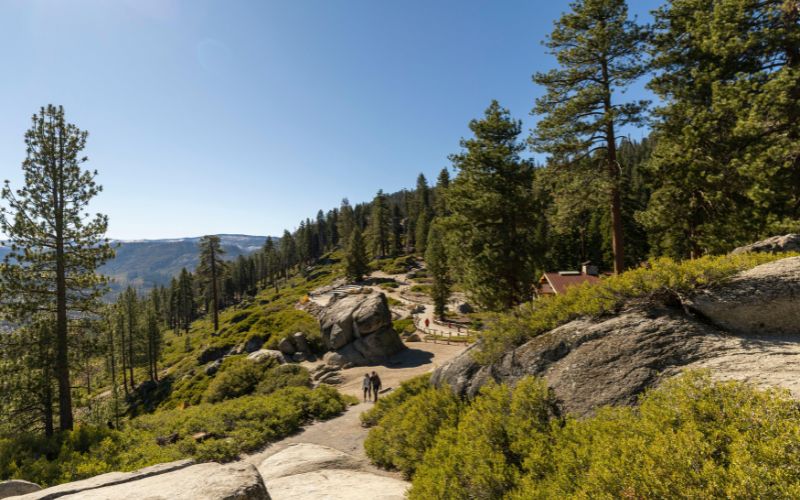
Lebanon surprises hikers. Not because it has mountains—that part is obvious—but because of how quickly landscapes change. You can start a morning in pine forest, climb into bare limestone ridges by noon, and finish the day looking down at the Mediterranean. All within a few hours.
Hiking here feels personal. Trails pass through villages where people still stop to ask where you’re from. Shepherds wave. Someone inevitably offers coffee. It’s not wilderness in the empty sense, but it’s rarely crowded either.
I’ve hiked Lebanon in spring mud, summer heat, and crisp autumn light. Timing matters. Pace matters. And knowing which trails are actually worth your time matters most of all.
The Lebanon Mountain Trail: The Backbone of It All
If you only know one hiking route in Lebanon, make it this one.
The Lebanon Mountain Trail (LMT) runs north to south for roughly 470 kilometers, linking villages, forests, and high ridges across the Mount Lebanon range. Most people don’t hike it end to end—and that’s fine. The magic is in choosing the right sections.
Some stretches are gentle village-to-village walks. Others are long, exposed climbs that demand respect.
I once spent three days hiking a central section, staying in guesthouses run by families who’ve hosted hikers for years. Dinner conversations lasted longer than the hikes themselves.
Most people miss this: You don’t need to be a thru-hiker to enjoy the LMT. Even one or two days gives you the full experience.
Qadisha Valley: History Under Your Feet
Qadisha Valley isn’t just scenic—it’s layered. Monasteries cling to cliffs. Old footpaths drop steeply into the gorge. Silence feels heavy here, in a good way.
Hiking in Qadisha is less about distance and more about descent and ascent. Knees take a beating. Poles help.
One morning, I started near Bsharri in cool air and ended the hike sweaty, dusty, and quiet, sitting outside a monastery while bells echoed through the valley.
Small warning: Trails aren’t always clearly marked. Download maps offline or go with someone who knows the route.
Cedars of God: Short Walks, Long Perspective
The Cedars of God near Bsharri are iconic, and yes, they’re busy at times. But there are quieter paths nearby that most visitors skip.
The high-altitude trails around the cedars feel exposed and bright, especially in summer. Wind cuts through fast. Views open wide.
It’s not the most challenging hike in Lebanon, but it’s one of the most grounding. Standing next to trees that old resets your sense of time.
Tannourine Cedar Forest: Where Crowds Thin Out
Tannourine doesn’t get the attention Bsharri does, and that’s part of the appeal.
Trails wind through dense cedar forest, cooler and quieter than expected. In spring, wildflowers carpet the ground. In fall, the light turns soft and golden.
I once spent an afternoon here without seeing another hiker—rare in Lebanon’s more popular spots.
Tip: Combine forest walks with longer ridge hikes above the reserve for variety.
Jabal Moussa: Accessible but Serious
Jabal Moussa sits close to Beirut, which makes it popular—and misunderstood.
Yes, it’s accessible. No, it’s not an easy stroll.
Trails here climb fast, especially in summer heat. But the reward is layered views, Roman ruins, and surprising biodiversity.
Trips often go wrong when people underestimate the climb because it’s “near the city.” Start early. Bring water. Take breaks.
Ehden Nature Reserve: Best in Summer
Ehden shines when lower elevations bake.
At higher altitude, forests stay cool and shaded. Trails vary from relaxed loops to longer hikes linking viewpoints and springs. Wildlife sightings are more common here than people expect.
I once spotted a fox early in the morning, crossing a trail like it had somewhere more important to be.
Most people miss this: Ehden is ideal for multi-day stays. One hike barely scratches the surface.
Coastal Hills Near Batroun: Sea and Stone
Lebanon isn’t all mountains. The coastal hills around Batroun offer short, steep hikes with sea views that feel very Mediterranean.
These hikes work well in spring and fall. Summer heat reflects off rock fast. Winter can be slippery.
Finish with a swim if conditions allow. That contrast—hike to sea—is uniquely Lebanese.
Practical Hiking Advice (Learned the Hard Way)
Start early. Heat builds quickly, even in spring.
Water matters. Springs exist, but don’t rely on them.
Footwear counts. Rocky trails punish flimsy shoes.
Local advice helps. Ask about trail conditions—weather changes fast.
Lebanon’s trails aren’t overly technical, but they demand awareness. This is where trips often go wrong: people assume short distances mean easy hiking.
When to Go
Spring (April–May): Green, cool, best overall
Summer (June–September): Best at higher elevations
Fall (October–November): Clear views, dry trails
Winter: Limited to low elevations unless you’re experienced
Hiking and Comfort Can Coexist
Lebanon doesn’t force you to choose between effort and ease. Many travelers mix challenging hikes with excellent food, comfortable guesthouses, and even high-end stays.
That balance is part of what makes Lebanon luxury holiday experiences quietly special—long days outdoors followed by very good dinners and real rest.
Final Thoughts
Hiking in Lebanon isn’t about conquering peaks. It’s about moving through landscapes that have been walked for centuries.
Choose trails that match your pace. Talk to locals. Leave space for unexpected stops—coffee invitations, viewpoints, weather changes.
Lebanon rewards hikers who stay flexible, curious, and humble. The trails give back more than they take.
FAQs: Hiking Trails in Lebanon
1. Is Lebanon safe for hiking?
Yes, in established areas. Stick to known trails and check local advice.
2. Do I need a guide to hike in Lebanon?
Not always, but guides add context and help with navigation on less-marked trails.
3. What’s the best month for hiking in Lebanon?
May and October offer the best balance of weather and trail conditions.
4. Are trails well marked?
Some are, especially LMT sections. Others require GPS or local knowledge.
5. Can beginners hike in Lebanon?
Yes. Many trails suit moderate fitness levels, but choose carefully.
6. Is wild camping allowed?
It’s possible in remote areas, but guesthouses are more common and welcomed.
7. What’s the biggest hiking mistake travelers make in Lebanon?
Underestimating heat and elevation gain—even on short hikes.
Tags : Hiking Trails in Lebanon Lebanon