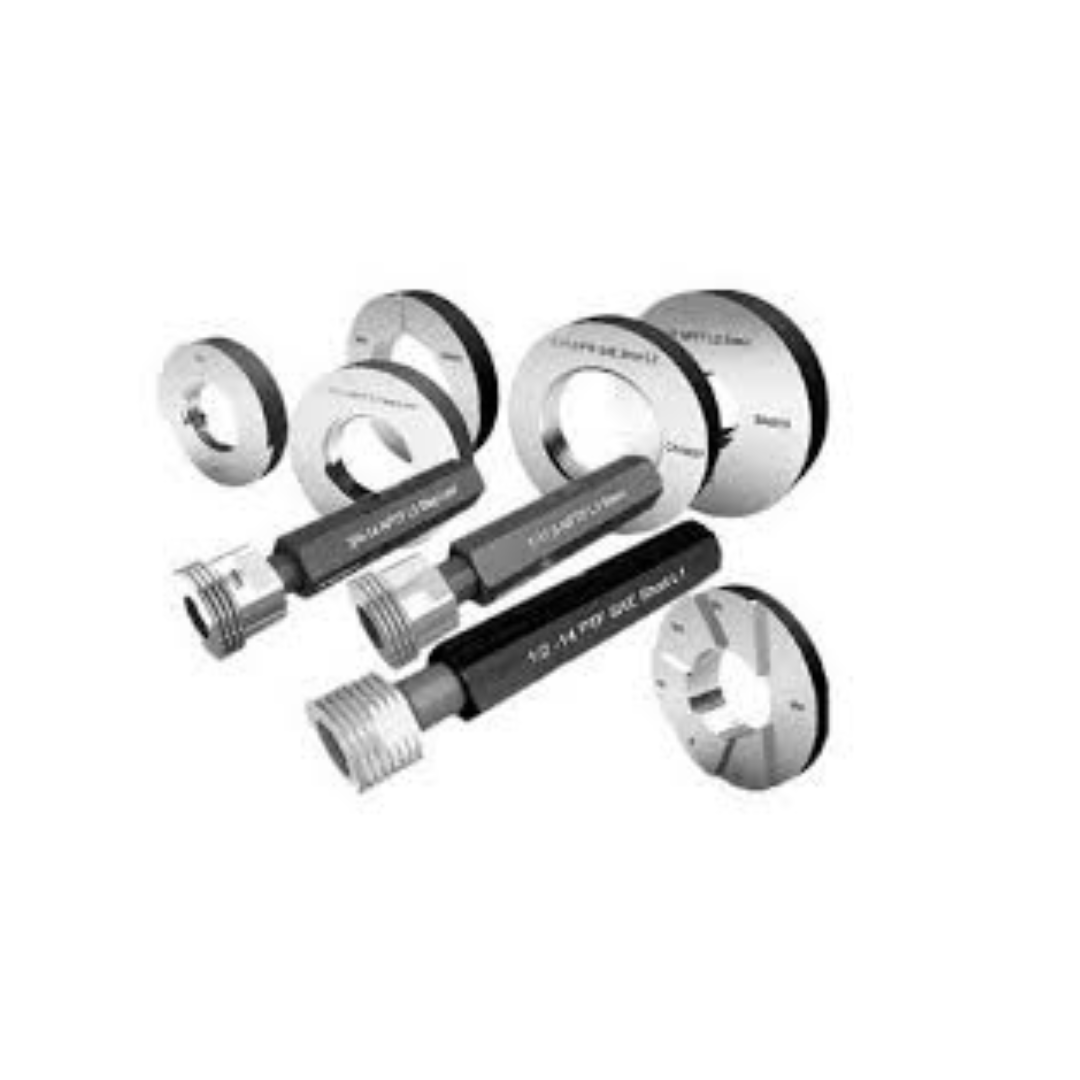
In industries where threaded connections are common, precision is not just a requirement – it’s a necessity. Whether you are working in plumbing, oil and gas, manufacturing, or mechanical engineering, having the right measurement tools can mean the difference between a leak-free connection and a costly failure. Among the most essential tools for ensuring threaded parts meet exact standards is the NPT thread gauge.
In this article, we will explore what NPT thread gauges are, why they are important, how they work, and what to look for when choosing a high-quality one.
Understanding NPT Thread Gauges
NPT stands for National Pipe Thread, a standard widely used in the United States for tapered threads on pipes and fittings. The unique feature of NPT threads is their tapered profile, which helps create a tight, leak-proof seal when mated correctly. However, because these threads are tapered rather than parallel, accurate measurement is crucial to ensure compatibility and safety.
An NPT thread gauge is a specialized measuring instrument used to verify that a threaded part—whether internal (female) or external (male)—meets the required NPT specifications. There are two main types:
NPT Thread Plug Gauges – Used to inspect the internal threads of a fitting.
NPT Thread Ring Gauges – Used to inspect the external threads of a pipe or fitting.
These gauges ensure that every thread produced matches the standard dimensions for depth, angle, and pitch.

Why Accuracy Matters in Thread Measurement
In applications such as hydraulics, gas lines, and high-pressure systems, even the smallest thread deviation can cause serious problems. An inaccurate thread may lead to:
Leaks – which can cause environmental hazards or equipment damage.
Poor fitment – leading to weak connections that fail under pressure.
Increased wear and tear – reducing the lifespan of elements.
Costly rework or replacements – adding unnecessary expenses.
By using a high-quality NPT thread gauge, you can identify manufacturing errors early, avoid mismatched parts, and maintain compliance with industry standards.
Features of High-Quality NPT Thread Gauges
Not all gauges are created equal. A high-quality NPT thread gauge should have the following characteristics:
1. Precision Manufacturing
The gauge must be made to exact ANSI/ASME B1.20.1 standards to ensure accurate measurement. Any deviation in the gauge itself will lead to false readings.
2. Durable Materials
High-quality gauges are typically made from hardened tool steel or carbide to resist wear over repeated use.
3. Corrosion Resistance
For industries like oil and gas, where tools may be exposed to moisture or chemicals, corrosion-resistant coatings are essential.
4. Clear Markings
Size, tolerance, and calibration markings should be laser-etched or deeply engraved for easy identification.
5. Certification and Calibration
A top-grade gauge comes with a calibration certificate, proving it meets the correct specifications. Periodic recalibration is also important to maintain accuracy.
How to Use an NPT Thread Gauge Correctly
Using an NPT thread gauge is straightforward, but proper handling ensures long-term accuracy:
Clean the Threads – Remove dirt, oil, or debris from both the gauge and the part.
Select the Correct Gauge – Match the size and type (plug or ring) to the thread you’re inspecting.
Check Fitment – For a plug gauge, insert it gently into the internal thread until resistance is felt. For a ring gauge, screw it onto the external thread until it reaches the correct depth.
Do Not Force the Gauge – If it doesn’t fit easily, the thread may be out of tolerance.
Store Properly – Keep the gauge in a protective case to prevent damage.
Applications of NPT Thread Gauges in Industry
NPT thread gauges are used in a variety of industries, including:
Oil & Gas – Ensuring leak-free joints in pipelines.
Manufacturing – Quality control for threaded components.
Fire Protection Systems – Ensuring reliable connections in sprinkler lines.
In each of these sectors, accuracy is critical for safety, compliance, and performance.
Maintaining Your NPT Thread Gauges
Even the best gauges can wear over time. To extend their lifespan:
Regularly clean and lubricate to prevent corrosion.
Store in a dry, temperature-controlled environment.
Avoid dropping or banging the gauge to maintain accuracy.
Schedule periodic recalibration according to usage frequency.
Choosing the Right Supplier
When selecting an NPT thread gauge, choose a supplier who offers:
Certified products that meet ANSI/ASME standards.
Material and hardness specifications for durability.
Calibration services for ongoing accuracy.
Customer support to help you choose the right tool.
A reputable supplier will not only provide a precision tool but also guidance on how to use and maintain it effectively.
Conclusion
A high-quality NPT thread gauge is an essential tool for any professional who relies on threaded connections. By ensuring that every thread meets exact specifications, these gauges help prevent leaks, reduce downtime, and maintain safety standards across various industries.
Whether you’re working in oil and gas, plumbing, aerospace, or manufacturing, investing in a durable, accurate, and certified NPT thread gauge is a decision that pays off in performance, reliability, and peace of mind.