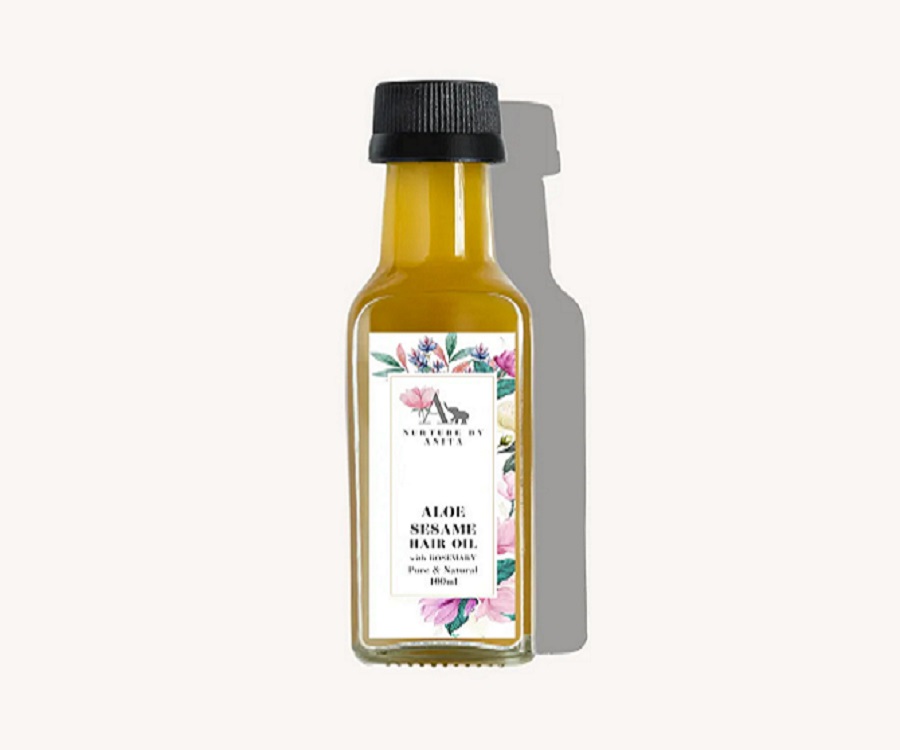
Hibiscus Hair Oil: A Simple Natural Routine for Stronger, Healthier-Looking Hair

By Nurture by Anita     10-08-2026     14

Hair care does not always need to involve a long list of products. For many people, a simple routine built around scalp care, gentle cleansing, and regular oiling can be easier to maintain. This is one reason hibiscus hair oil has become a popular choice among people looking for a botanical addition to their hair-care routine.

Hibiscus has traditionally been used in Indian beauty practices, particularly in homemade hair preparations. When combined with suitable carrier oils and other botanical ingredients, it can be used as part of a pre-wash oiling routine.

Of course, hair fall and hair thinning can have many different causes, so an oil should not be viewed as a guaranteed solution. However, regular scalp and hair care can help improve the way hair feels and looks while reducing issues such as dryness and breakage.

Why Is Hibiscus Used in Hair Care?

Hibiscus is well known in traditional Indian hair-care practices. Its flowers and leaves have commonly been included in homemade hair masks and oil preparations.

One reason people like hibiscus is its connection with nourishing and conditioning hair. It is often used alongside plant-based oils to create a routine focused on keeping the scalp comfortable and the hair soft.

Rather than treating hibiscus as a miracle ingredient, it is more practical to think of it as one botanical component within a consistent hair-care routine.

How Hibiscus Hair Oil Fits Into a Hair-Care Routine

A good oiling routine does not need to be complicated.

Many people apply oil before washing their hair and leave it on for a period that feels comfortable for their scalp and hair. A gentle scalp massage can also make the process feel relaxing.

For example, you could:

  1. Take a suitable amount of oil.
  2. Apply it gently to the scalp.
  3. Massage with your fingertips without scratching.
  4. Spread the remaining oil through the lengths of your hair.
  5. Leave it on for your preferred pre-wash period.
  6. Wash thoroughly with a mild shampoo.

The amount of oil you need will depend on your hair length, texture, and scalp condition. Using more oil does not necessarily mean better results.

Potential Benefits of Hibiscus Hair Oil

The experience can vary from person to person, but hibiscus-based hair oils are commonly used for several hair-care purposes.

Helps Condition Dry Hair

Hair that feels rough or dry can benefit from an oiling routine because oils can help coat the hair shaft and reduce the feeling of dryness.

Supports Scalp Nourishment

Massaging an oil into the scalp can become a simple way to include scalp care in your weekly routine.

Helps Reduce Breakage From Dryness

Dry, brittle hair is more likely to break during brushing and styling. Keeping the hair conditioned may help make it easier to manage.

Adds a Softer, Healthier-Looking Finish

Regular hair care can improve the overall appearance of the hair. Proper conditioning may leave the strands feeling smoother and looking more polished.

Hibiscus Hair Oil for Hair Fall: What Should You Know?

Hair fall is a common concern, but it is important not to assume that one product can address every cause.

Hair shedding can be influenced by genetics, stress, nutrition, hormonal changes, illness, scalp conditions, medications, and other factors. Breakage is another issue and can sometimes be mistaken for hair fall.

Using hibiscus hair oil as part of a gentle hair-care routine may support conditioning and reduce dryness-related breakage, but persistent or sudden hair loss deserves proper attention.

If you are noticing unusual shedding, bald patches, scalp irritation, or significant thinning, speaking with a qualified healthcare professional or dermatologist is a sensible step.

What Ingredients Work Well With Hibiscus?

Hibiscus is often combined with other botanical ingredients and carrier oils.

Depending on the formulation, you may come across ingredients such as:

  • Coconut oil
  • Castor oil
  • Amla
  • Neem
  • Black sesame
  • Rosemary
  • Aloe vera

Each ingredient brings different properties to a formulation. The quality of the overall product, how it is prepared, and whether it suits your scalp can matter just as much as the ingredient list itself.

For people with sensitive scalps, it is also worth checking the full ingredient list before using a new oil.

How Often Should You Oil Your Hair?

There is no universal schedule that works for everyone.

Someone with dry, coarse hair may enjoy oiling more regularly, while someone with a naturally oily scalp may prefer less frequent application.

A practical starting point is once a week. You can then adjust based on how your scalp and hair respond.

If your scalp becomes itchy, greasy, irritated, or uncomfortable after oiling, reduce the frequency or stop using the product and reassess the ingredients.

Choosing the Right Hibiscus Hair Oil

Not every hair oil is formulated in the same way. When choosing one, look beyond the name on the bottle.

Check the Ingredient List

Look for clearly listed ingredients and understand what you are applying to your scalp and hair.

Consider Your Hair Type

Fine hair may become weighed down by heavy oils, while thick or very dry hair may tolerate richer formulations.

Think About Your Scalp

A product that feels comfortable on one person's scalp may not suit another. If you are prone to scalp sensitivity, choose products carefully.

Avoid Making Unrealistic Claims

Be cautious with products promising instant hair growth or guaranteed results. Hair growth is influenced by many factors, and no single oil can guarantee the same outcome for everyone.

Hibiscus Hair Oil vs. Heavy Hair Treatments

One advantage of an oiling routine is its simplicity.

You do not necessarily need to use multiple treatments every week. A suitable hair oil, gentle shampoo, regular conditioning, and less damaging styling habits can form a manageable routine.

This is particularly useful for people who find complicated beauty routines difficult to maintain.

Consistency usually matters more than using a large number of products.

A Simple Weekly Hair-Care Routine

If you want to introduce hibiscus oil into your routine, you can keep things straightforward.

Before washing: Apply a moderate amount of oil to the scalp and lengths.

During application: Massage gently rather than rubbing aggressively.

Washing: Use a shampoo that suits your scalp and rinse thoroughly.

After washing: Use conditioner on the lengths if your hair needs additional moisture.

Between washes: Avoid excessive heat styling and rough brushing when possible.

This kind of routine is easier to maintain than constantly switching between different treatments.

Common Mistakes to Avoid

Even a natural hair oil can be used incorrectly.

One common mistake is applying too much product. This can make washing difficult and leave the scalp feeling heavy.

Another is vigorous scalp massage. Your scalp does not need aggressive rubbing. Gentle fingertip movements are enough.

Leaving oil on for extremely long periods is also not automatically better. If your scalp feels uncomfortable, wash it out rather than forcing yourself to keep it on.

Finally, do not expect immediate changes. Hair care generally requires consistency and realistic expectations.

Is Hibiscus Hair Oil Suitable for Everyone?

Not necessarily.

Most people can use hair oils as part of their grooming routine, but individual reactions can differ. A person with a sensitive scalp may react to a particular ingredient, fragrance, or essential oil used in a formulation.

If you are trying a new product, consider testing a small amount first. Stop using it if you experience irritation or an unusual reaction.

People dealing with persistent scalp problems or significant hair loss should seek professional advice rather than relying entirely on cosmetic products.

Final Thoughts

Hibiscus hair oil can be a simple addition to a regular hair-care routine, particularly for people who enjoy botanical ingredients and traditional oiling practices.

Its most practical role is supporting conditioning, scalp care, and the management of dry or rough-feeling hair. It should not be treated as a guaranteed treatment for hair loss, since shedding can have many underlying causes.

The best approach is to choose a formulation that suits your hair and scalp, use it consistently, avoid aggressive application, and pay attention to how your hair responds. Combined with gentle washing, conditioning, balanced nutrition, and sensible styling habits, a simple oiling routine can become a useful part of everyday hair care.


Share on social media

Our Categories

Medical: Doctors & Specialists , Endocrinologist , Neurologist , Pediatrician , Dermatologist , Gastroenterologist , Orthopedic , Cardiologist , Gynecologist , Physicians , Nephrologist Hospitals & Clinics , Eye Hospital / Clinics , Orthopedic , Heart , Cardiology , Brain & Spine Centre , Multispecialty Hospital , Hospitals / Dental Clinics , Dermatologist , Ayurvedic Hospital , ENT Pathlabs , Veterinary , Laparoscopic Surgeon , Urologist , Neurosurgeon , Hospitals / Dental Clinics , Dermatologist , Eye specialist

Real Estate: Shoping Mall , Builders and Developers , Upcoming Projects , Photographer , Construction Company , Property Types , Residential Property , Commercial Property , Plots / Land , Villas Real Estate Services , Real Estate Agents / Dealers , Property Brokers , Real Estate Consultants , Real Estate Developers / Builders Property Rent , Flats / Apartments for Rent , Shops / Showrooms for Rent / Lease , Studio Apartments Rent , Office Space for Rent Construction & Development Construction Companies / Contractors , Civil Engineers , Architects

Education: Schools , Boarding , CBSE , ICSE , Up Board , International , Play School , Driving School Colleges/Institute/ Classes , Engineering & Technology , Medical Collage , Arts, Science & Commerce , Management & Business Colleges , Law Colleges , Education & Teaching Colleges , Design, Fashion & Fine Arts Colleges , Media & Communication Colleges , Agriculture Science Colleges , Veterinary Science Colleges Classes, Courses & Coaching , Academic Coaching , IT & Computer Courses , Creative & Design Courses , Language & Communication University , Nadi Astrologer , Vedic Astrologer , Kp Astrologer , Lal Kitab Astrologer , Numerologist Astrologer , Palm Reader

Accommodation: Hostels / PG , Boys , Girls Resorts , Motels , Guest House , Paying Guest , Home Stay , Dharamshala , Farmhouse , Oyo Rooms , Hotels 7 Star , 3 Star , 5 Star , 4 Star , Budget Hotels

Tour and Travels: Domestic Tour Packages , International Tour Packages , Honeymoon Tours , Family Holiday Packages , Flight / Train / Bus Booking , Flight Ticket Booking , Bus Booking , Train Ticket Booking Car / Bike , Scooty Rentals , Bike Rentals , Car Rentals , Scooty Rentals , Taxi Service Adventure Tours , Pilgrimage Tours

Restaurants / Bar / Cafe: Bakery / Cake , South Indian Restaurants , North Indian Restaurants , Punjabi Restaurants , Gujarati Restaurants , Rajasthani Restaurants , Bengali Restaurants , Mughlai Restaurants , Chinese Restaurants , Thai Restaurant

Packers and Movers: Local Packers and Movers , Domestic Packers , International Packers And Movers

Stock & Trading: Stock Market Trading , Commodity Trading , Forex Trading , Crypto Trading , Binary Options Trading , Trading Education & Training Stock Market Training , Forex Trading Courses , Crypto Trading Tutorials

Beauty & Saloon: Beauty Parlours / Salons , Men's salon / Parlour , Ladies Parlour / Salon Spa & Wellness Centers , Hair Transplant , Hair Salons / Hair Studios , Men Hair Salon , Ladies Hair Salon Unisex Salon , Nail Salons , Makeup Artists , Tattoo Studios , Beauty Academies / Training Institutes , Makeup Academy , Hairstyles Academy , Nail Art Mehandi Artist

More..