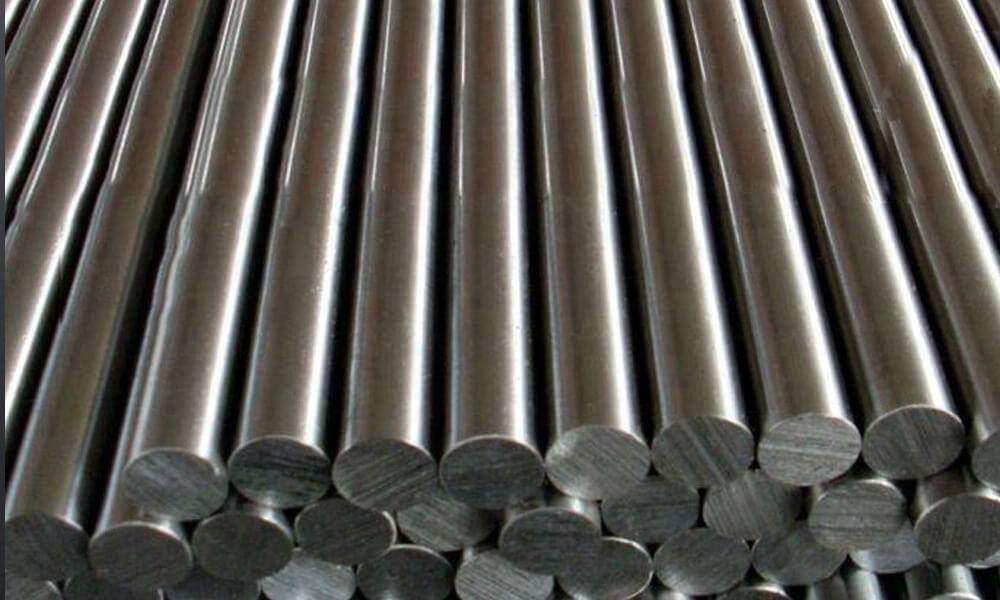
Hastelloy round bars are available in several nickel-based alloy grades designed for demanding corrosion and high-temperature service. Certain grades offer strong resistance to localized corrosion, stress corrosion cracking, and aggressive process media encountered in oil and gas applications. Selection depends on the specific alloy grade and service environment. Engineers specify a Hastelloy round bar to manufacture critical internal components that cannot fail during active extraction or refining processes. These solid cylindrical bars provide the necessary mechanical strength and chemical stability required to keep offshore platforms and coastal refineries operating safely. The raw material forms the backbone of safe chemical handling.
What Is a Hastelloy Round Bar?
These are solid cylindrical metal billets forged from high-performance nickel. The nickel-based alloy chemistry provides corrosion resistance suited to specific aggressive environments, depending on the grade and service conditions. The Hastelloy family includes multiple unique grades designed for different threats. Metallurgists engineer each specific grade to handle exact chemical environments. Suppliers market these heavy billets as Hastelloy Alloy Round Bars or standard Nickel Alloy Round Bars on industrial inventory lists. Machine shops cut, drill, and thread these solid bars to build custom hardware. Plant operators must select the appropriate grade based strictly on the actual service environment. A grade built for hot sulfuric acid might fail completely in high-chloride saltwater environments.
Key Properties of Hastelloy Alloy Round Bars
The underlying metallurgy dictates how the material performs on the drilling rig.
- Excellent resistance to many corrosive environments keeps the metal intact during heavy chemical processing.
- Resistance to localized pitting and crevice corrosion in suitable grades protects tight mechanical joints from leaking.
- Resistance to stress corrosion cracking stops sudden metal failure under heavy tension in applicable grades.
- High mechanical strength supports massive physical loads inside deep high-pressure vessels.
- Good physical toughness prevents the metal from shattering under sudden mechanical impact or shock.
- Resistance to rapid oxidation and high-temperature degradation keeps suitable grades structurally stable in hot zones.
- Good fabrication and welding characteristics allow machine shops to process the solid metal efficiently using standard carbide tooling.
- Performance in aggressive chemical environments keeps the facility safe for decades.
Why Use Hastelloy Round Bars in Oil and Gas Applications?
Extracting crude oil brings up toxic byproducts and corrosive water. Extreme corrosion resistance helps machined components withstand these aggressive process fluids and chemicals directly. Pure mechanical strength makes the metal highly suitable for components subjected to heavy mechanical and pressure-related loads. Sour-service environments pose a massive threat to standard metal infrastructure. Certain Hastelloy grades handle demanding environments containing deadly hydrogen sulfide safely, subject to applicable NACE standards and rigorous material testing.
High-temperature performance proves useful for selected components exposed to elevated thermal zones inside the heavy refinery. Raw physical durability supports continuous equipment performance when the specific metal grade is correctly matched to field service conditions. Baseline chemical resistance makes the alloy suitable for equipment exposed to aggressive process media during daily refining operations. Installing High Strength Hastelloy round bars stops catastrophic mechanical failures before they happen.
Applications of Nickel Alloy Round Bars in Oil and Gas
Machine shops turn these solid billets into critical flow-control hardware.
- Heavy valve stems and internal flow control components.
- High-torque pump shafts rotating at high speeds under load.
- Custom industrial fasteners securing heavy pipeline flanges.
- High-tension bolts and threaded studs holding pressure vessels shut.
- Precision machined equipment components for chemical separation.
- Heavy wellhead and surface production equipment components.
- Specialized downhole drilling components operating miles underground.
- High-pressure chemical injection equipment handling raw solvents.
- Offshore platform equipment exposed to constant saltwater spray.
- Downstream processing and heavy refining equipment handling hot crude.
The specific Hastelloy grade must be selected according to exact fluid composition. Fluid temperature, internal system pressure, and applicable industry requirements dictate the final material choice for the machine shop.
Hastelloy Grades Used in Oil and Gas
The oil and gas industry relies on several distinct metallurgical grades. These are not interchangeable materials. Hastelloy C276 is heavily specified for its broad resistance to localized corrosion and wet sour gas. Hastelloy C22 demonstrates heavy resistance to oxidizing aqueous media and mixed industrial acids. Hastelloy B2 handles reducing environments like pure hydrochloric acid effectively without rapid metal loss. Other specialized grades enter the supply chain where specific application requirements justify their high material cost.
Each individual grade holds a completely different alloy chemistry and unique corrosion resistance characteristics. Mixing them up on the shop floor causes rapid equipment failure in the field. Grade selection depends entirely on the actual service environment logged by the plant process engineers.
How to Select the Right Hastelloy Steel Round Bar
Procurement teams require highly accurate engineering data before buying raw material. Plant designers must define the exact Hastelloy grade needed for the project. They analyze the specific chemical composition of the service fluid. They measure the exact hydrogen sulfide and chloride exposure levels inside the pipe. Engineers calculate the maximum operating temperature and continuous physical pressure pushing against the metal.
Buyers specify the exact bar diameter and cut length for the fabrication shop to minimize scrap waste. Machine shops evaluate their internal machining requirements and necessary welding procedures based on the alloy hardness. The purchase order must list all applicable ASTM, ASME, API, and NACE requirements clearly. Strict material testing, formal chemical certification, and absolute material traceability are mandatory for oil and gas components. A Hastelloy steel round bar without mill paperwork is useless in a certified fabrication plant.
Conclusion
These heavy nickel alloys deliver absolute corrosion resistance, massive physical strength, and stable temperature performance in harsh environments. The oil and gas sector relies on this metal to manufacture critical valves, pump shafts, threaded fasteners, surface production equipment, offshore systems, and downstream processing components. Selecting the proper Hastelloy grade requires strict evaluation of actual chemical exposure, fluid temperature, system pressure, mechanical loads, and applicable industry standards. Guessing the material chemistry leads to dangerous pipeline blowouts. Matching the raw metal exactly to the well conditions maintains operational safety. That engineering process begins by specifying the correct Hastelloy round bar for the heavy fabrication floor.
Tags : Hastelloy Round Bar