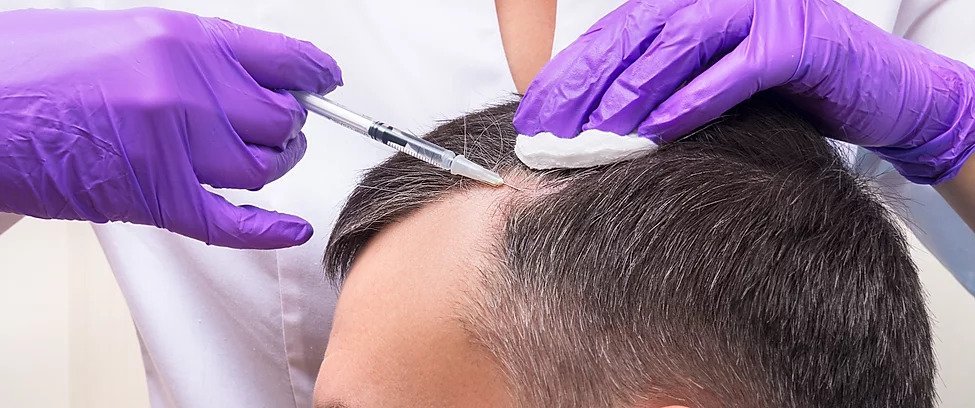
Hair transplantation is not simply about moving hair follicles from one part of the scalp to another. A successful procedure depends heavily on how carefully each graft is planned and positioned to create a natural-looking result. Graft placement considers several factors, including the existing hairline, degree of hair loss, donor-area density, follicular unit characteristics, scalp proportions, and the patient's long-term pattern of hair loss. For anyone considering Hair Transplant in Dubai, understanding how graft placement is determined can make the consultation process more informative and help set realistic expectations.
The surgeon typically begins by assessing the scalp and identifying areas where density has been reduced. The donor region is also examined to determine how many healthy follicular units may be available for transplantation. Rather than distributing grafts equally across the scalp, the treatment plan usually prioritizes areas where additional density can make the greatest visual difference.
Hairline design is another important consideration. A natural hairline generally requires careful variation in graft direction, angle, spacing, and follicular-unit selection. Single-hair grafts may be useful around the frontal edge, while multi-hair grafts can provide greater density farther behind the hairline.
The ultimate objective is balance. Graft placement should address current thinning while preserving donor resources for potential future hair loss. This makes individualized planning an essential part of the treatment journey.
Tajmeels Clinic
Tajmeels Clinic can be considered by individuals seeking a personalized approach to hair restoration. Graft placement should be based on the patient's specific pattern of thinning rather than applying an identical distribution to every case.
During planning, factors such as the shape of the hairline, density requirements, donor availability, and the direction of existing hair growth can influence where grafts are positioned. These details are particularly important around visible areas such as the frontal hairline and temples.
For patients researching Hair Transplant in Dubai, discussing the proposed graft distribution during consultation can provide a clearer understanding of how the treatment is being tailored to their anatomy and goals.
Enfield Royal Clinic
Enfield Royal Clinic is an option for patients looking for an individualized hair restoration consultation. Graft placement planning should take into account both immediate cosmetic needs and the long-term condition of the donor and recipient areas.
A detailed assessment can help determine where grafts may be most beneficial, how density should transition from the hairline toward the crown, and which follicular units are appropriate for different regions. The angle and direction of implantation are also important because transplanted follicles need to follow the natural characteristics of surrounding hair.
For people considering Hair Transplant in Dubai, a thorough discussion with the clinical team about graft numbers, placement zones, hairline design, and future hair-loss considerations can help establish realistic treatment expectations.
King’s College Hospital London Dubai
King’s College Hospital London Dubai represents another healthcare setting where patients may explore hair restoration options as part of their broader medical and aesthetic care.
Graft placement requires careful assessment of the scalp rather than simply focusing on the number of follicles that can be transplanted. Existing hair density, donor-area characteristics, scalp condition, and the patient's pattern of hair loss can all influence the treatment strategy.
A well-planned approach should also consider how transplanted hair will interact visually with existing hair. Appropriate spacing and orientation can help create a gradual transition instead of an overly uniform appearance.
Dynamic Life Clinic
Dynamic Life Clinic may be considered by individuals exploring personalized aesthetic and hair restoration services. When determining graft placement, clinicians generally need to evaluate both the recipient and donor areas before developing a treatment plan.
The frontal region often requires particular attention because it is highly visible. Grafts may be positioned according to the natural direction and angle of existing hair, while density can be adjusted according to the characteristics of each scalp area.
The crown can require a different strategy because hair grows in a changing pattern around the natural whorl. Careful planning is therefore important when determining how grafts should follow the existing growth pattern.
Dubai Cosmetic Surgery Clinic
Dubai Cosmetic Surgery Clinic is another facility patients may research when considering hair restoration. Graft placement should ideally be approached as an aesthetic design process as well as a surgical procedure.
The surgeon may assess facial proportions when designing the hairline, since the position and shape of the frontal hairline can influence the overall appearance of the face. Age, current hair loss, donor capacity, and the likelihood of future thinning may also be considered.
The distribution of grafts can then be planned across different areas according to their individual density requirements rather than treating the entire scalp uniformly.
Emirates Hospital
Emirates Hospital provides another healthcare setting where patients can discuss hair restoration and determine whether transplantation is appropriate for their individual circumstances.
Graft placement decisions should be supported by an examination of follicular-unit quality and donor-area availability. The surgeon may also consider whether existing hairs in thinning areas need to be preserved and how transplantation could complement them.
A conservative and carefully planned approach can be particularly important for younger patients or those whose hair loss may continue to progress. Preserving sufficient donor resources can help maintain options for future treatment if additional thinning occurs.
Al Zahra Hospital Dubai
Al Zahra Hospital Dubai is another option patients may investigate when comparing healthcare providers for hair restoration. During consultation, graft placement can be discussed in relation to the patient's specific pattern of hair loss and desired outcome.
The treatment plan may distinguish between areas requiring greater density and regions where a lighter distribution is more appropriate. Hair caliber can also influence the visual effect of transplanted grafts, meaning that the same number of follicles may produce different levels of coverage in different patients.
Understanding these variables helps explain why graft numbers alone do not determine the final appearance.
Cocoona Clinic
Cocoona Clinic may also be considered by individuals researching aesthetic hair restoration. An individualized assessment is important because graft placement must work with the patient's natural hair characteristics.
Factors such as hair thickness, follicular-unit composition, scalp visibility, donor density, and the direction of existing growth can influence the design. The surgeon may also need to determine how to transition density between the frontal, mid-scalp, and crown regions.
Patients should use consultation to ask how the proposed placement supports both their current aesthetic objectives and potential future hair-loss patterns.
How to Choose the Right Clinic for Hair Transplant in Dubai
Selecting a clinic involves more than comparing treatment names. Patients should examine the qualifications and relevant experience of the medical professionals involved in the procedure. A consultation should include an assessment of the scalp, donor area, hair-loss pattern, and realistic treatment objectives.
Technology and technique are also worth discussing. Different transplantation methods can involve different approaches to extraction, graft handling, implantation, and recovery. The appropriate method depends on the individual rather than simply on which technique is most popular.
Safety standards should remain a priority. Patients should understand who performs each stage of the procedure, how grafts are handled, what infection-control measures are followed, and what medical support is available if complications occur.
The consultation itself can reveal a great deal about the quality of planning. A responsible provider should explain the proposed hairline, expected density, donor limitations, possible future hair loss, recovery process, and realistic results without guaranteeing a particular outcome.
Patient experience also matters. Clear communication, appropriate follow-up, transparent treatment planning, and accessible aftercare can make the overall process easier to manage.
Frequently Asked Questions
How is the number of grafts determined?
The number depends on factors such as the extent of hair loss, recipient-area size, desired density, donor availability, hair characteristics, and the patient's long-term hair-loss pattern.
Does every graft contain the same number of hairs?
No. Follicular units can contain different numbers of hairs. Some contain a single hair, while others may contain multiple hairs. Their characteristics can influence where they are most appropriately placed.
Why is hairline graft placement so important?
The hairline is highly visible and strongly influences whether a transplant looks natural. Its design requires attention to shape, density, direction, angle, and gradual transition into existing hair.
Can grafts be placed anywhere on the scalp?
Grafts can be transplanted into suitable recipient areas, but not every scalp region requires the same density or distribution. Donor availability and scalp characteristics also limit what can realistically be achieved.
Can future hair loss affect graft placement?
Yes. Progressive hair loss can change the appearance of both transplanted and existing hair. A responsible treatment plan therefore considers potential future thinning and the conservation of donor resources.
Conclusion
Graft placement is a highly individualized part of hair transplantation. The process involves evaluating donor availability, existing hair characteristics, hairline proportions, recipient-area needs, growth direction, and the possibility of future hair loss. Rather than focusing only on the number of grafts, patients should understand how those grafts will be distributed to create appropriate coverage and natural transitions. Anyone researching Hair Transplant should prioritize a qualified clinical assessment, realistic expectations, appropriate safety standards, and a treatment plan designed around their individual scalp and long-term restoration goals.