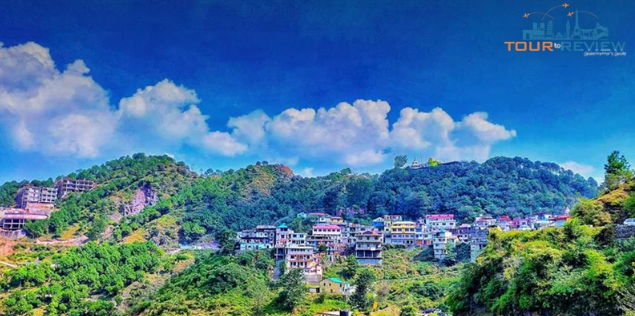
Nestled amid scenic landscapes and rich historical surroundings, Gurkha Fort stands as a powerful reminder of bravery, strategy, and architectural excellence. Whether you are a history enthusiast, a travel lover, or simply curious about heritage sites, Gurkha Fort offers a fascinating glimpse into the past. In this guide, we will explore the history, architecture, significance, and travel tips related to Gurkha Fort.
The Historical Significance of Gurkha Fort
Gurkha Fort is deeply connected to the legacy of the Gurkhas, renowned warriors known for their courage and military skill. The Gurkhas have long been associated with discipline and valor, and Gurkha Fort symbolizes their strategic strength and resilience.
Historically, Gurkha Fort served as a defensive stronghold. Its elevated position allowed soldiers to monitor approaching enemies and protect the surrounding region. The fort’s design reflects the military priorities of its time, emphasizing defense, surveillance, and sustainability during long sieges.
Over the years, Gurkha Fort has become more than just a military structure. It is now a heritage site that attracts visitors who wish to understand the region’s martial traditions and architectural ingenuity.
Architecture and Design of Gurkha Fort
One of the most captivating aspects of Gurkha Fort is its architecture. Built using locally sourced stone and traditional construction techniques, the fort blends naturally with its environment. Thick walls, narrow entry points, and strategically placed watchtowers showcase its defensive purpose.
The layout of Gurkha Fort typically includes:
High defensive walls
Guard towers for surveillance
Secure gateways
Internal courtyards
Storage areas for supplies
These elements demonstrate how Gurkha Fort was designed to withstand attacks while supporting soldiers during extended periods of conflict. Even today, the structure reflects the craftsmanship and engineering skills of its builders.
Why Gurkha Fort Attracts Tourists
In recent years, Gurkha Fort has gained popularity among travelers seeking offbeat historical destinations. Visitors are drawn to its dramatic setting, panoramic views, and rich cultural significance.
Photography enthusiasts often find Gurkha Fort particularly appealing. The combination of ancient stonework and natural scenery creates stunning visuals, especially during sunrise and sunset. The fort’s elevated location provides breathtaking views of the surrounding landscape.
Additionally, Gurkha Fort offers a peaceful atmosphere compared to crowded tourist monuments. Travelers can explore its corridors and open spaces at a relaxed pace, absorbing the historical ambiance.
Cultural Importance of Gurkha Fort
Beyond its military role, Gurkha Fort represents a proud cultural identity. The Gurkha legacy is celebrated for loyalty and bravery, and the fort stands as a monument to that enduring spirit.
Local communities often regard Gurkha Fort as a symbol of heritage and resilience. Cultural events and historical tours sometimes take place in or around the fort, helping preserve its story for future generations.
By visiting Gurkha Fort, travelers not only witness an architectural marvel but also connect with a deeper narrative of courage and tradition.
Best Time to Visit Gurkha Fort
Planning your trip carefully can enhance your experience at Gurkha Fort. The ideal time to visit is during cooler months when the weather is pleasant for walking and exploring.
Early mornings and late afternoons are especially recommended. During these hours, Gurkha Fort looks magnificent under soft natural light, and temperatures are more comfortable. Avoid visiting during peak afternoon heat if the fort is located in a warmer region.
Seasonal changes can also influence the scenery around Gurkha Fort. Lush greenery during the monsoon season or clear skies in winter can provide distinct visual experiences.
Travel Tips for Visiting Gurkha Fort
To make the most of your visit to Gurkha Fort, consider the following practical tips:
Wear comfortable footwear, as exploring Gurkha Fort may involve climbing steps or uneven surfaces.
Carry water, especially if facilities near Gurkha Fort are limited.
Hire a local guide if available to better understand the history of Gurkha Fort.
Respect the site by avoiding littering or damaging the structure.
Bring a camera to capture the scenic views from Gurkha Fort.
These simple preparations can ensure a safe and enjoyable trip.
Exploring the Surroundings of Gurkha Fort
Often, Gurkha Fort is located in regions rich with natural beauty and cultural attractions. Nearby villages, temples, or scenic viewpoints may complement your visit.
Many travelers combine their trip to Gurkha Fort with short hikes or cultural excursions. The surrounding landscape often adds depth to the historical experience, making the visit more immersive.
Exploring local cuisine after touring Gurkha Fort can also enhance your journey. Sampling regional dishes allows you to connect with the area’s traditions beyond its architecture.
Preservation and Future of Gurkha Fort
Like many historic landmarks, Gurkha Fort requires ongoing preservation efforts. Weather conditions, natural erosion, and increasing tourism can impact the structure over time.
Authorities and heritage organizations often work to maintain Gurkha Fort and ensure its structural stability. Responsible tourism plays a vital role in protecting the fort for future generations.
Visitors can contribute by respecting guidelines and supporting conservation initiatives related to Gurkha Fort.
Final Thoughts
Gurkha Fort is more than just a historical monument—it is a symbol of strength, strategy, and cultural pride. From its defensive architecture to its panoramic views, Gurkha Fort offers a compelling experience for travelers interested in history and heritage.
Whether you’re planning a weekend getaway or exploring historical sites across the region, Gurkha Fort deserves a place on your itinerary. Its powerful legacy and scenic charm make it a destination worth discovering.
Tags : Gurkha Fort