In today’s fast-moving digital environment, the visual identity of a brand plays a major role in how audiences recognize and remember it. A logo is often the first element people notice, and it communicates professionalism, purpose, and design quality in just a moment. As brands expand across different platforms and product types from apparel to digital materials logo digitizing has become an essential process for keeping visual presentation consistent and precise.
What Is Logo Digitizing?
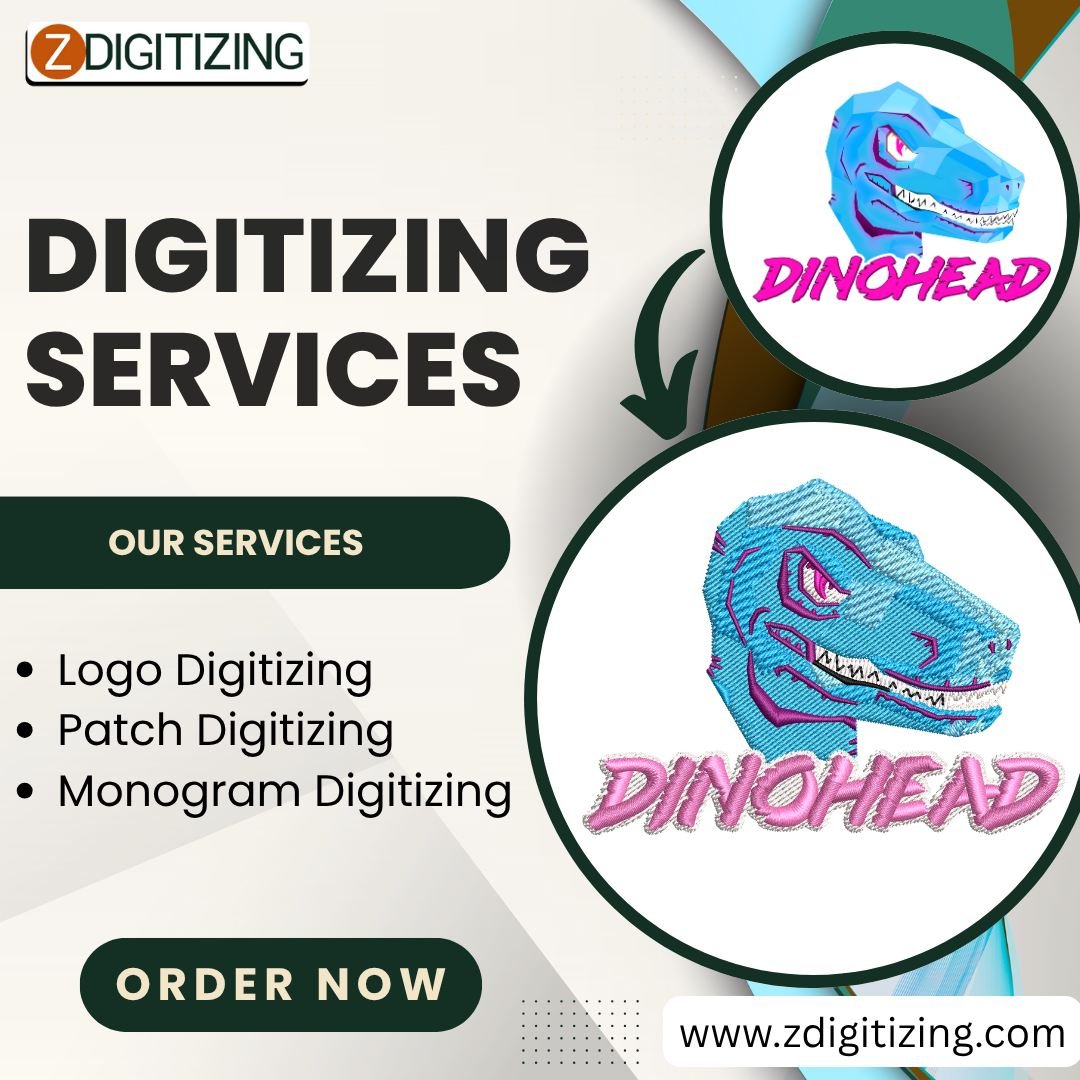
Logo digitizing involves converting a standard image file such as JPG, PNG, or PDF into a specialized format that embroidery machines or automated tools can read. Unlike typical graphic files, this format translates artwork into detailed stitch instructions. These instructions control how the machine reproduces the logo, including stitch direction, type, and pattern.
Digitizing requires both technical knowledge and artistic judgment. A skilled digitizer must evaluate stitch styles, density, angles, underlay techniques, and fabric characteristics to ensure the embroidered result reflects the original design accurately.
Why Logo Digitizing Matters
Businesses, apparel companies, promotional product manufacturers, and independent creators rely on high-quality digitizing because modern branding frequently involves embroidered items. As demand for customized products grows, accurate digitizing plays an increasingly important role.
Key reasons include:
Consistent results across materials
A logo should maintain its shape, proportions, and clarity wherever it appears. Weak digitizing can cause distorted outlines or messy stitching. Professional work ensures the design appears uniform on multiple fabrics and items.
Higher embroidery quality
Embroidery machines follow the digitized instructions exactly. If the file is not optimized, even advanced equipment cannot fix the resulting issues. Quality digitizing minimizes thread breaks, prevents fabric puckering, and produces clean lines.
Improved brand perception
Customers often associate precise embroidery with attention to detail. A sharp, well-produced logo supports your brand’s credibility and reinforces a professional image.
Reduced production time and cost
A properly digitized logo saves time by decreasing the number of revisions. This efficiency lowers production delays and avoids wasted materials.
Key Elements of Effective Logo Digitizing
High-quality digitizing goes beyond software. It requires an understanding of how stitches behave on different materials and how certain design elements translate to embroidery. Important considerations include stitch choice, density adjustments, underlay strategy, fabric type, and simplification of small or intricate details that may not reproduce cleanly.
These factors determine how accurately the final product reflects the original artwork. Skilled digitizers combine technical and creative thinking to produce a file that machines can interpret without errors.
Common Applications
Logo digitizing is widely used across industries. It supports various branding, personalization, and production needs, including:
- Uniforms for teams, staff, and businesses
- Custom hats, jackets, polo shirts, and other apparel
- Promotional items such as bags, towels, and accessories
- Personalized gifts and event merchandise
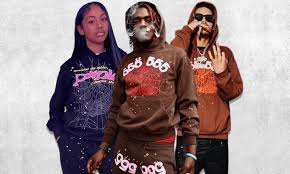
- Fashion and streetwear products that use embroidery in their designs
- Patches and badges for groups, clubs, and organizations
These uses highlight how versatile digitizing has become as more brands focus on customized textiles and merchandise.
Advantages of Outsourcing Logo Digitizing
Many companies choose to outsource logo digitizing because experienced professionals understand how to optimize designs for smooth production. Outsourcing helps avoid costly errors and ensures the final embroidered piece looks clean and accurate.
Key benefits include access to expert techniques, faster processing times, reduced stitching errors, consistent output across different items, and fewer production issues. Skilled digitizers also ensure compatibility with various embroidery machines, which helps streamline workflow.
Choosing a Reliable Digitizing Service
Selecting the right service provider is important. A trustworthy digitizer should demonstrate technical understanding and have a portfolio that reflects consistent quality. Look for accuracy, attention to detail, the ability to handle complex designs, reasonable pricing, responsive communication, and files that work smoothly with multiple machine formats.
A reliable service provider should also be transparent about the process, offer revisions when needed, and help guide customers unfamiliar with technical requirements.
Final Thoughts
Logo digitizing plays a crucial role in modern branding by transforming digital artwork into a format suitable for embroidery without losing design integrity. As businesses continue using customized apparel and promotional items to represent their identity, high-quality digitizing ensures logos appear clean, consistent, and professional across all materials. Whether you are developing merchandise, producing uniforms, or preparing artwork for embroidery, investing in accurate digitizing supports long-term brand consistency and product quality.
Tags : Logo Digitizing