Embroidery has long been valued for bringing texture, detail, and personality to apparel and accessories. As technology continues to advance, embroidery digitizing has become a critical step in transforming artwork into precise and production-ready embroidery. From small creative projects to large-scale branding initiatives, digitizing has enabled more accurate designs, faster production, and higher-quality results.
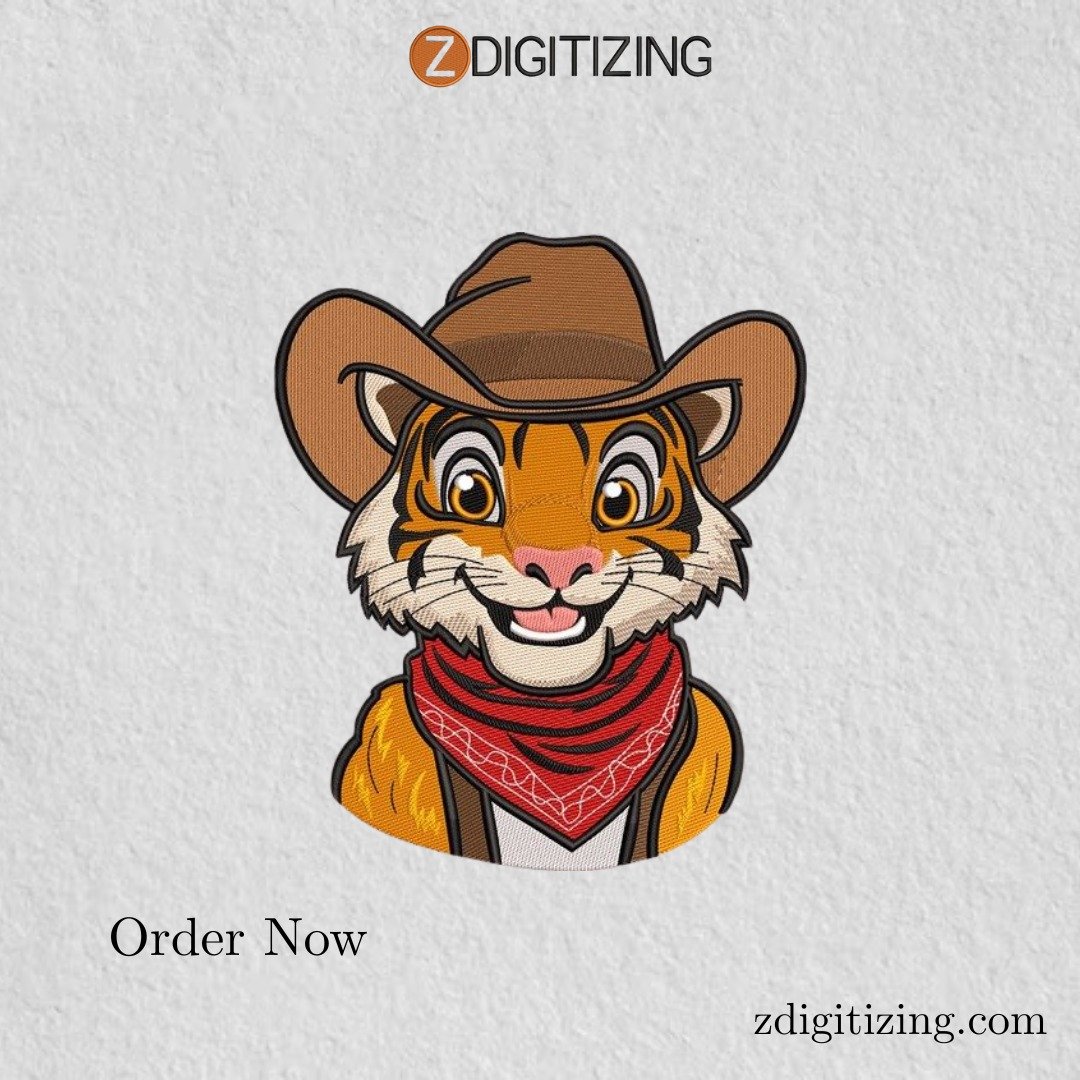
Embroidery digitizing involves converting artwork such as logos, illustrations, and text into a stitch file that an embroidery machine can read. While it may seem simple at first glance, the final quality depends heavily on digitizing expertise. This process requires a combination of design understanding, technical skill, and practical knowledge of how threads behave on different fabrics.
What Is Embroidery Digitizing?
Embroidery digitizing builds a blueprint for the embroidery machine. It determines how stitches will be placed, how many are required, and what type of stitch is best suited for each part of the design. This is far more precise than automatic conversion, as professional digitizers analyze the structure of the artwork, thread flow, and fabric characteristics.
During digitizing, several important elements are carefully planned, including:
- Stitch types such as satin, fill, or running stitches
- Underlay, layering, and stitch density
- Stitch direction for clean edges and clear texture
- Color sequencing and thread allocations
- Machine pathing for efficient production
When these components are set correctly, the finished embroidery reflects accuracy, durability, and a smooth overall appearance.
Why Embroidery Digitizing Matters Today
As custom embroidery becomes increasingly popular for branding, fashion, and personalized products, the need for high-quality digitizing continues to grow. Digitizing acts as the foundation of the embroidery process, influencing every detail of the final result.
Effective digitizing matters because:
- It helps maintain clarity, even when designs are adjusted in size or placed on various materials.
- It reduces issues such as puckering, uneven outlines, or thread breaks.
- It allows embroidery machines to work efficiently with fewer interruptions.
- It supports consistency, which is especially important for large production orders.
Even the most advanced embroidery machines rely on well-prepared stitch files, making digitizing an essential part of achieving reliable results.
Key Advantages of Professional Embroidery Digitizing
Digitizing is both technical and artistic. Professional digitizers understand how different fabrics react, how stitches interact with texture, and how to maintain detail without overwhelming the material. This combination of experience and technique contributes significantly to the finished product.
Some notable advantages include:
- Precision in details: Small lettering and intricate elements are programmed carefully to retain clarity.
- Fabric-sensitive adjustments: Density, underlay, and stitch direction are adapted based on fabric type, whether smooth, stretchy, or thick.
- Reduced production errors: Proper pathing decreases unnecessary cuts and machine pauses.
- Longer-lasting embroidery: Balanced density and proper support help the design hold up to frequent washing.
These elements ensure the embroidery appears organized, neat, and well-executed.
Where Embroidery Digitizing Is Used
Digitizing supports a wide scope of industries and creative goals. Because it adapts easily to different design types and product categories, it has become an essential tool for both businesses and individuals.
Common uses include:
- Custom logos on uniforms and workwear
- Promotional items such as hats, bags, and jackets
- Sports team apparel
- Fashion and boutique embroidery
- Personalized gifts like monograms and patches
- Branded merchandise for events and organizations
Digitizing enhances the overall quality of these items, making embroidery more consistent and visually appealing.
How Digitizing Supports Creativity and Branding
For businesses, embroidery digitizing helps maintain brand consistency by ensuring logos and graphics appear clean across multiple products. For designers and hobbyists, digitizing expands creative flexibility by allowing nearly any artwork to be converted into a stitch-friendly format.
Some key benefits include:
- Reusable files adaptable to different garment types
- Ability to resize designs without losing quality
- Conversion of complex artwork into embroidery-ready layouts
- Greater control over texture, depth, and visual structure
With proper digitizing, creative concepts are more easily translated into professional embroidered results.
Final Thoughts
Embroidery digitizing has become a vital part of modern customization. By converting artwork into accurate stitch files, digitizing enables embroidery machines to produce detailed, long-lasting designs suitable for a wide range of applications.
Whether used for branding, fashion, promotional items, or personal projects, high-quality digitizing with zdigitizing.com helps ensure reliability and visual clarity in every embroidered piece. As demand for customization continues to grow, embroidery digitizing remains essential for producing consistent, professional embroidery across the apparel and promotional industries.
Tags : Embroidery Digitizing