Germany Herbal and Traditional Products: Scientific Validation Supporting Botanical Wellness Innovation
By Adam Williamson 29-06-2026 86
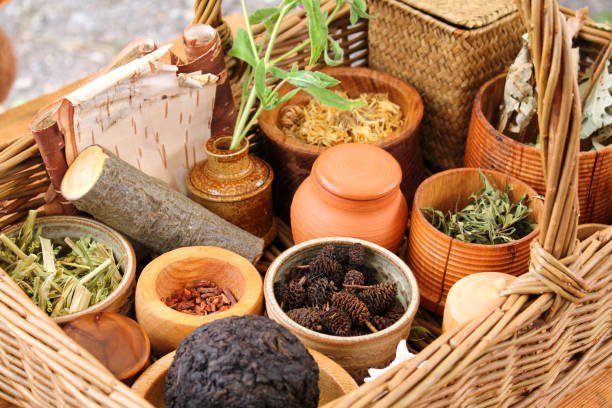
Germany's herbal/traditional products market represents one of Europe's well-established botanical wellness sectors, supported by a strong healthcare framework, growing consumer preference for plant-based products, and increasing demand for preventive healthcare solutions. Herbal medicines, botanical supplements, natural personal care products, and functional wellness formulations continue to gain acceptance as consumers seek products with natural ingredients backed by scientific research and quality assurance.
According to a study published by Vyansa Intelligence, the Germany Herbal/Traditional Products Market size is $2.6 Billion in 2025 and is projected to reach $2.79 Billion by 2032, registering a CAGR of 1.01% during 2026–2032. The market continues to develop through sustained demand for evidence-based herbal formulations, expanding product innovation, and increasing consumer focus on preventive wellness and natural healthcare practices.
Germany's long-standing pharmaceutical expertise and robust regulatory environment have contributed to widespread confidence in herbal products. Consumers increasingly value standardized botanical formulations that combine traditional medicinal knowledge with modern scientific validation, supporting steady market development across healthcare and wellness applications.
Consumer Preference for Preventive Healthcare
Preventive healthcare has become a central focus for German consumers seeking long-term wellness solutions. Rising awareness of healthy lifestyles has encouraged greater adoption of herbal supplements, botanical extracts, and plant-derived products that complement balanced nutrition and overall wellbeing.
The Germany Herbal/Traditional Products Market growth is supported by increasing consumer demand for natural health solutions that emphasize quality, ingredient transparency, and scientifically supported formulations. Growing interest in immunity support, digestive wellness, stress management, and healthy aging continues to create opportunities for manufacturers introducing innovative botanical products.
The World Health Organization continues to recognize the importance of traditional and complementary medicine in supporting healthcare systems, encouraging responsible integration of scientifically validated herbal products into preventive health strategies.
Product Innovation and Quality Standardization
Innovation remains an essential driver across Germany's herbal products sector. Manufacturers continue investing in advanced extraction technologies, standardized botanical ingredients, sustainable cultivation, and research partnerships to improve product consistency and efficacy.
The Germany Herbal/Traditional Products Market trends demonstrate increasing emphasis on clean-label products, organic ingredients, standardized herbal extracts, and transparent product labeling. Companies are expanding portfolios across herbal medicines, dietary supplements, herbal teas, botanical beverages, and natural personal care products to address changing consumer preferences.
Germany's Federal Institute for Drugs and Medical Devices plays an important role in maintaining quality and safety standards for medicinal products, supporting consumer confidence through comprehensive regulatory oversight.
Digital Commerce Enhancing Market Accessibility
Digital commerce has become an increasingly important distribution channel for herbal and traditional products across Germany. Consumers now use online pharmacies, manufacturer websites, and e-commerce platforms to compare product ingredients, certifications, and health information before making purchasing decisions.
The expansion of digital retail is improving product accessibility while enabling companies to educate consumers through evidence-based product information. Online healthcare services and digital wellness platforms are also contributing to stronger engagement with preventive health solutions.
Germany's ongoing digital transformation initiatives continue to strengthen healthcare accessibility and encourage innovation throughout the wellness ecosystem.
Sustainability Driving Product Development
Sustainability has become a strategic priority for manufacturers operating within the herbal products sector. Companies are increasingly adopting environmentally responsible sourcing practices, recyclable packaging materials, and transparent supply chain management to meet evolving consumer expectations.
Consumers increasingly prefer products manufactured using responsibly sourced botanical ingredients that support biodiversity conservation and sustainable agricultural practices. This shift is encouraging stronger collaboration between manufacturers and raw material suppliers to improve long-term supply resilience.
Research and Scientific Advancement
Germany maintains a strong research ecosystem supporting innovation in herbal medicine and botanical product development. Universities, pharmaceutical companies, and research institutions continue exploring new applications of medicinal plants while improving extraction technologies and product standardization.
The Germany Herbal/Traditional Products Market forecast remains supported by continuous investments in scientific research, quality assurance systems, and modern manufacturing technologies. Increasing collaboration between academic institutions and industry participants is expected to strengthen innovation while expanding consumer confidence in herbal healthcare products.
Growing demand for clinically supported botanical formulations is encouraging manufacturers to invest in product validation and evidence-based development strategies.
Competitive Environment
The competitive landscape includes established pharmaceutical manufacturers, botanical product specialists, natural wellness companies, and emerging innovators introducing premium herbal formulations. Businesses continue differentiating themselves through research capabilities, quality certifications, sustainable sourcing, and product innovation.
Companies are expanding investment in digital consumer engagement, product education, and advanced manufacturing processes while maintaining compliance with Germany's rigorous quality standards. These strategic initiatives are strengthening industry competitiveness and supporting long-term market development.
Conclusion
The Germany Herbal/Traditional Products Market continues to evolve through scientific innovation, regulatory excellence, and increasing consumer interest in preventive healthcare. Strong quality standards, advanced research capabilities, and growing preference for natural wellness solutions continue to support steady industry development.
As demand for evidence-based botanical products expands, the Germany Herbal/Traditional Products Market trends are expected to encourage further innovation in product formulation, sustainability, and digital healthcare integration. Meanwhile, the Germany Herbal/Traditional Products Market growth will continue to benefit from research-driven product development, while the Germany Herbal/Traditional Products Market forecast reflects a stable outlook supported by preventive healthcare adoption and continued consumer confidence in herbal wellness solutions.