Walk into a tea shop and mention Matcha, and there's a decent chance someone nearby brings up genmaicha in the same breath, as if the two are simply variations of the same drink. It's an easy mix-up to make — both are traditional, both carry that unmistakable Japanese tea heritage, and both have found their way onto modern café menus over the past decade. But beyond sharing a country of origin, genmaicha and matcha are genuinely different teas, made differently, tasting different, and serving very different purposes in Japanese tea culture.
Clearing up this confusion isn't just a matter of tea trivia. Understanding what actually separates the two makes it much easier to know which one you're actually craving on any given day.
What Matcha Actually Is
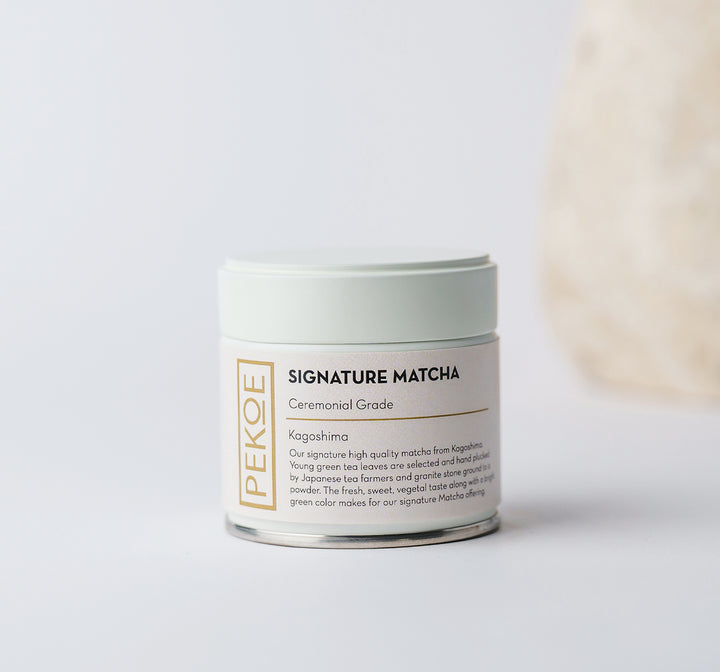
Matcha starts as tencha, a shade-grown green tea leaf that's steamed, dried, and then stone-ground into an extremely fine powder. Because the entire leaf is consumed rather than steeped and discarded, matcha delivers a much more concentrated dose of flavor, caffeine, and nutrients than a typical brewed tea. The shading process it undergoes before harvest is what gives matcha its vivid green color and naturally sweet, umami-rich flavor profile — a world away from the bitter, grassy taste people sometimes associate with it when they've only had a poorly made version.
Matcha is traditionally whisked directly into hot water, producing a smooth, slightly frothy drink that's more ritual than casual beverage in its purest form.
What Genmaicha Actually Is
Genmaicha, on the other hand, is a blended tea — traditionally sencha or bancha (standard Japanese green tea leaves, not shade-grown like matcha) mixed with roasted, toasted brown rice. Some of that rice actually pops during roasting, similar to popcorn, adding a distinct nutty, toasty character that makes genmaicha instantly recognizable by smell alone.
Historically, genmaicha is believed to have originated as a practical, economical tea — the addition of rice helped stretch more expensive tea leaves further, making it accessible to a broader range of people. Over time, though, that practical origin turned into a genuinely beloved flavor profile in its own right, appreciated today for its warmth and comfort rather than as a cost-saving substitute.
The Core Differences, Side by Side
A few distinctions make the difference between these two teas immediately clear:
- Preparation method. Matcha is a powder whisked directly into water and fully consumed. Genmaicha is loose-leaf tea steeped in hot water and then strained, with the leaves and rice discarded before drinking, just like most traditional brewed teas.
- Flavor profile. Matcha is smooth, slightly sweet, and umami-forward with a rich, concentrated taste. Genmaicha is toasty, nutty, and comforting, with a much lighter, more mellow green tea base underneath the roasted rice character.
- Caffeine content. Matcha, since the whole leaf is consumed, contains significantly more caffeine per serving than genmaicha, which is diluted both by the steeping process and by the rice content itself.
- Cultural role. Matcha carries deep ceremonial significance in Japan, tied to formal tea ceremony traditions. Genmaicha is generally considered a more everyday, casual tea, often enjoyed with meals rather than as a standalone ritual.
- Visual appearance. Matcha is a vivid green powder. Genmaicha is a loose-leaf blend where you can visibly see green tea leaves mixed with light, toasted rice grains.
Why the Confusion Happens So Often
Part of the mix-up comes from how both teas are marketed together under a broader "Japanese tea" or wellness-focused umbrella, especially outside Japan. Both are frequently featured on the same café menus, sometimes even served in similar-looking cups, which makes it easy for someone unfamiliar with either to assume they're just different strengths or styles of the same drink rather than two entirely distinct categories of Green Tea.
There's also a genuine hybrid product that adds to the confusion — matcha genmaicha, which blends actual matcha powder into a genmaicha base. This combination product does exist and is genuinely worth trying, but it's a deliberate fusion of the two, not proof that matcha and genmaicha were ever the same thing to begin with.
Which One Should You Actually Reach For?
This really comes down to what you're in the mood for. Matcha suits moments that call for something more concentrated, energizing, and ritualistic — a slower morning, a focused work session, or simply wanting the smooth, sustained energy matcha is known for. Genmaicha suits a completely different mood: something warm, comforting, and easy to sip alongside a meal, without the intensity or ceremony that matcha carries.
Neither is a substitute for the other, and once you've tasted both side by side, it becomes obvious how different their actual roles are, despite both falling under the broader category of Japanese Tea.
Getting Both Right Starts With Sourcing
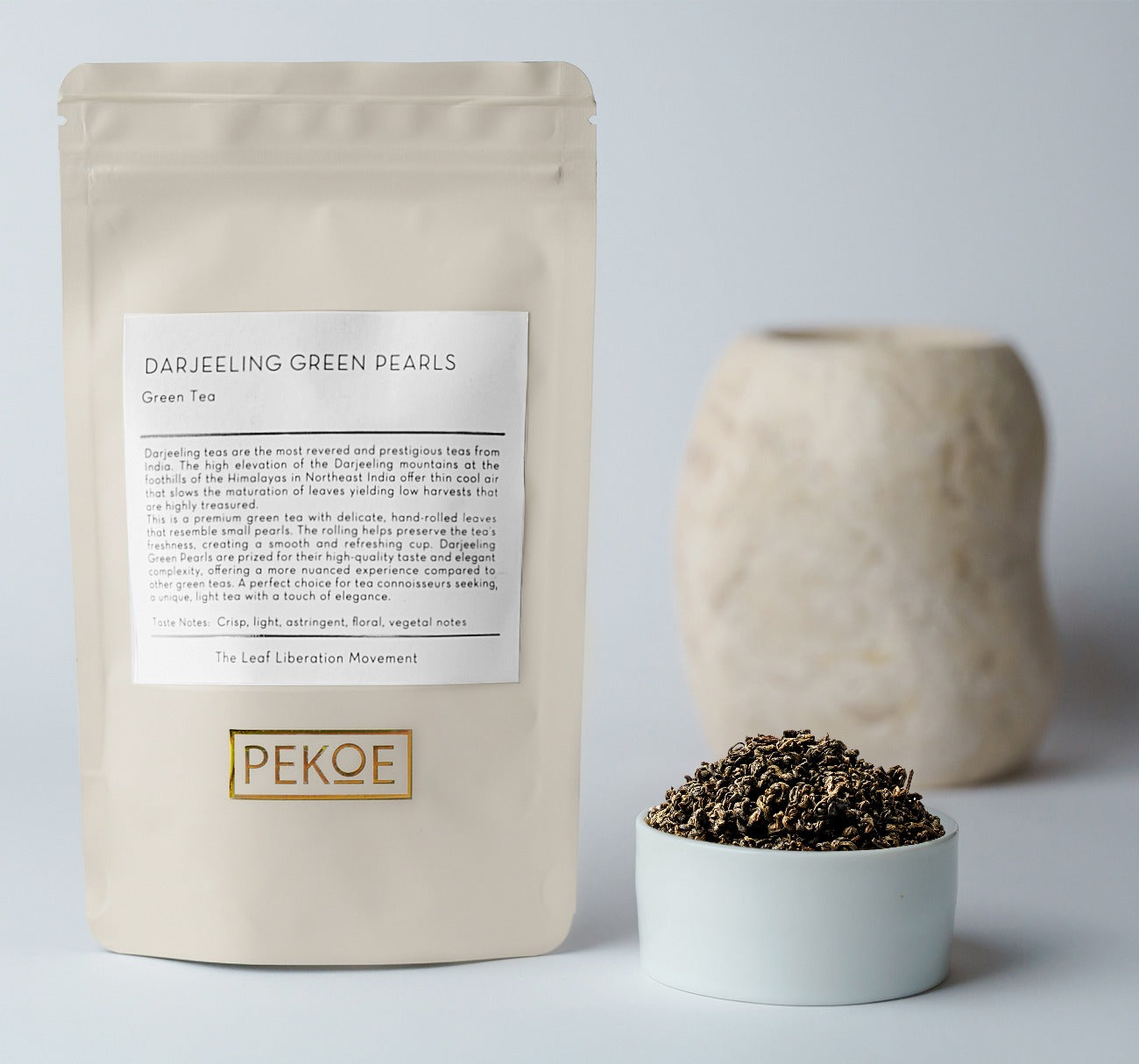
Whether it's the shade-grown intensity of good matcha or the toasty balance of a well-made genmaicha, quality in both categories comes down to the same foundational factor: properly sourced, well-processed leaves. This is the standard a specialist retailer like Pekoe holds across its tea offerings, treating each category on its own terms rather than lumping every Japanese tea into a single generic label. Understanding what actually makes each tea distinct is really the first step toward appreciating either one properly, rather than defaulting to whichever name happens to be more familiar.
Final Thoughts
Genmaicha and matcha share a country of origin and a place in Japanese tea culture, but that's really where the similarities end. One is a stone-ground powder built for concentration and ritual; the other is a toasted, comforting blend built for everyday sipping. Knowing the difference doesn't just settle a common point of confusion — it makes it much easier to actually choose the right tea for the moment you're in, rather than defaulting to whichever one happens to be more familiar.