Generic Medicine Manufacturers Ensure Quality and Regulatory Compliance
By Hardik Aegis 29-07-2026 88
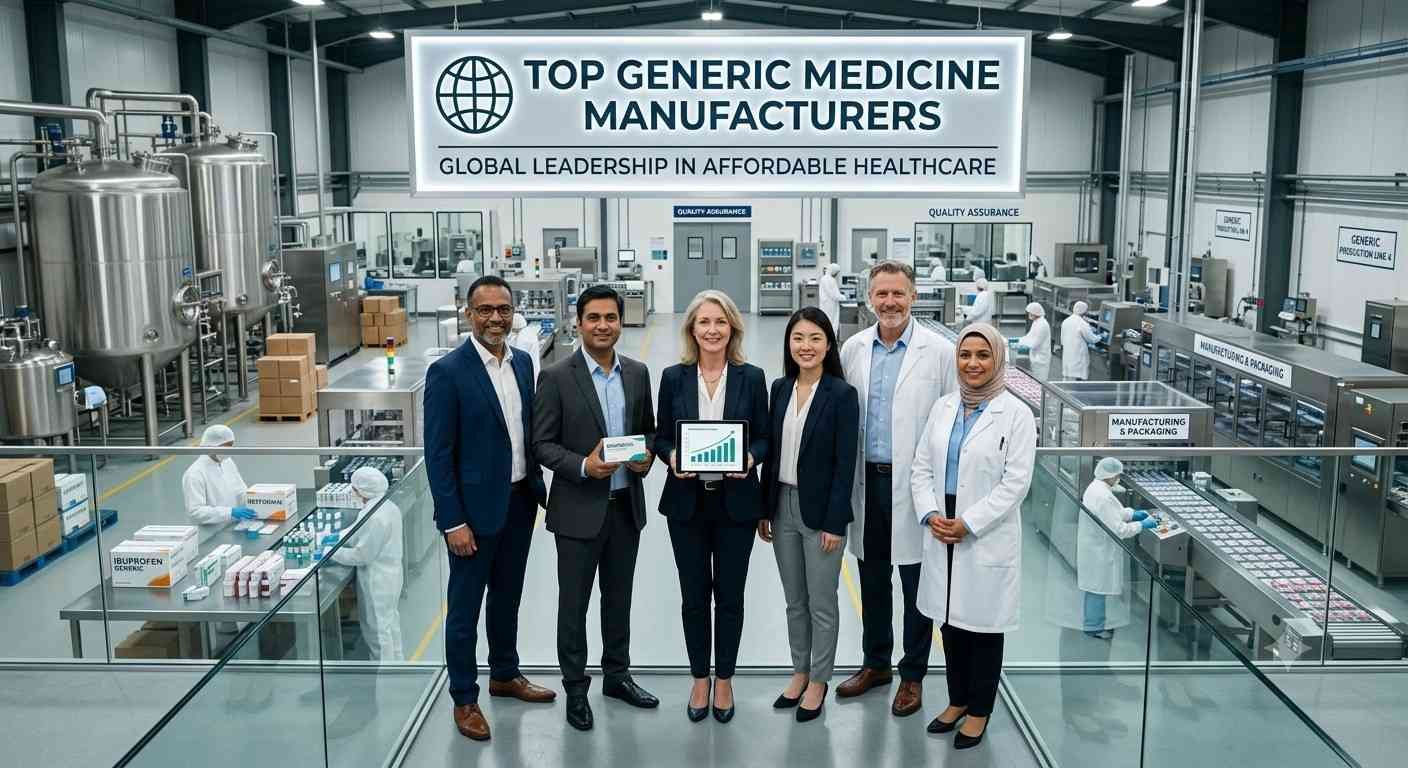
Generic medicines are now an integral component of modern medicine, offering secure, efficient, and cost-effective alternatives to prescription medicines. But ensuring their high-quality demands strict standards for manufacturing and oversight by regulators. Top generic medicine manufacturers have strict quality management procedures, conform to Good Manufacturing Practices (GMP), and must meet both international and national regulations prior to introducing their products on the market. Each step, from sourcing raw materials through final packaging and distribution, is tested and documented with rigor. Through ensuring consistent quality as well as safety and effectiveness, generic drug manufacturers establish trust among medical experts, regulatory authorities, and patients, while also ensuring safe access to the most essential medicines in the world.
Regulatory Standards Every Generic Medicine Manufacturer Must Follow
To ensure the high quality of their products and to ensure the safety of patients, generic pharmaceutical manufacturers must adhere to strict rules in the manufacturing process. This ensures that every medicine is in compliance with the approved effectiveness and safety requirements before it is released on the market. Compliance will allow manufacturers to get approval for their products on both the international and domestic markets, as well as ensuring the confidence of consumers.
- Follow Good Manufacturing Practices (GMP).
- Conforms to WHO standards for quality of pharmaceuticals.
- Meets FDA, EMA, and the national requirements for regulatory compliance.
- Maintain precise production and testing documents.
- Validate processes for production and laboratory procedures.
- Conduct periodic checks and quality inspections.
Quality Assurance Processes Used by Generic Medicine Manufacturers
The quality assurance process is at the core of production. Generic medicine manufacturers conduct strict quality control starting with the source of raw materials until the final release of the product. Each batch is inspected to ensure consistency, purity, and conformity with the requirements of the FDA, reducing the possibility of errors and ensuring safety for patients.
- Check the raw materials before production.
- Monitor the manufacturing process through quality tests.
- Conduct chemical and microbiological tests.
- Conduct a stability test to determine the product's shelf time.
- Check the accuracy of labels and packaging.
- Only approve products after a quality check.
Advanced Technologies That Improve Regulatory Compliance
Modern technology allows generic drug manufacturers to increase production accuracy, improve compliance, and reduce human error. Digital solutions can also improve documentation, traceability, and overall efficiency of operations in line with the ever-changing regulatory requirements.
- Automate manufacturing systems.
- Utilize Electronic Batch Records.
- Use AI-powered quality monitoring instruments.
- Track items using electronic traceability technology.
- Make use of real-time monitoring of processes.
- Enhance data integrity by using secured digital technology.
How Generic Medicine Manufacturers Handle Audits and Inspections
Inspections and regular audits aid generic drug manufacturers in ensuring conformity with regulations and uncover improvement opportunities. Documentation that is well-prepared and accompanied by corrective steps ensures that inspections are conducted smoothly while ensuring the quality of their products and ensuring that they are operating at an optimal level.
- Conduct regular external quality inspections.
- Create complete records of manufacturing.
- Prepare employees for inspections by the regulatory authorities.
- Respond to findings using CAPA programs.
- Check compliance regularly.
- Maintain continuous improvement initiatives.
Common Problems in Maintaining Quality and Compliance
Being able to maintain a consistent quality while staying on top of the constantly changing regulations of regulatory agencies is a challenge for generic drug makers. As regulations become stricter and supply chains become more complex, manufacturers are expected to constantly improve their systems for quality monitoring. The ability to address these issues effectively can ensure the safety of their products and also ensure regulatory compliance and constant availability of medications.
- Keep up with evolving global regulations.
- Assuring consistency in the high-quality raw material purchased from sources.
- Preventing contamination in manufacturing and packaging.
- Keeping accurate documentation and integrity of data.
- Managing disruptions to supply chains without affecting the quality of products.
- Training for employees continuously on compliance and quality requirements.
- Validating the manufacturing process and equipment used in laboratories frequently.
- Compliance requirements are met in multiple markets around the world.
Best Practices Followed by Leading Generic Medicine Manufacturers
Manufacturers of generic medicines that are successful focus on continuous improvement of quality instead of simply satisfying minimum compliance requirements. Quality management systems that are robust and a proactive monitoring system help to ensure that the production of pharmaceuticals is stable.
- Develop a solid Quality Management System.
- Check and evaluate suppliers on a regular basis.
- Incorporate employee training in your company.
- Perform ongoing risk assessments.
- Promote a quality culture.
- Continuously enhance manufacturing processes.
Future Trends in Quality Assurance for Generic Medicine Manufacturers
The Pharmaceutical industry continues to grow through digital advancement and automation. Manufacturers of generic medicines are adopting more advanced technologies to improve regulatory compliance, increase efficiency in production, and offer safer drugs.
- Quality control systems that are AI-driven.
- Predictive analytics to improve the management of quality.
- Intelligent Manufacturing and Industry 4.0.
- Cloud-based Compliance Management.
- Production of sustainable pharmaceuticals.
- Advanced digital document systems for documentation
Key Factors to Evaluate When Selecting Generic Medicine Manufacturers
The selection of the most appropriate generic drug manufacturers is crucial to ensure consistency in product quality in compliance with regulations and prompt supply. Healthcare providers, distributors, and pharmaceutical companies need to consider the various factors prior to making long-term partnerships.
- GMP and other certifications from regulatory authorities.
- Proven quality management methods
- Infrastructure and capacity for manufacturing.
- Testing of products and quality assurance methods.
- Solid documentation and traceability.
- Experience in both international and domestic markets.
- Supply chain reliability as well as delivery capability.
- Continuous improvement and innovation.
The Importance of Documentation in Pharmaceutical Compliance
A precise documentation system is an integral aspect of manufacturing pharmaceuticals. Manufacturers of generic medicine keep meticulous documents throughout the production process to prove conformity with regulations, ensure traceability of the product, and aid in audits that are successful. The documentation that is maintained well helps in identifying problems quickly and then implementing corrective measures efficiently.
- Recording every step of production.
- Supports audits and inspections by regulatory agencies.
- Assures traceability of the batch and recall readiness of the product.
- Transparency and integrity of data.
- Aids in identifying and resolving quality issues.
- Proves that they conform with GMP specifications.
Why Choosing a Reliable Generic Medicine Manufacturer Matters
Collaboration with reliable generic drug manufacturers can ensure that patients have the availability of safe, effective high-quality, and safe medications. Manufacturers who have a solid quality assurance and regulatory compliance system consistently provide products that are in line with the standards of their industry, reducing risks and building trust over time between health professionals and patients.
- Delivers consistent product quality.
- Meets international and national regulations.
- It ensures that the product is available on time.
- Reduces compliance and supply chain risk.
- Improves the safety of patients and increases their confidence.
- Helps to build long-term growth for businesses and improves market image.
Conclusion
The maintenance of quality and compliance with regulations is crucial to provide secure and efficient medications. Generic medicine manufacturers can achieve this by rigorous quality assurance and regulatory compliance. They make use of contemporary technology, regular audits, and constant enhancements. Following the world’s quality standards and modern manufacturing practices, generic medicine producers can guarantee the safety and quality of their products and, therefore, increase patients’ trust and strengthen the health care system by providing affordable and safe medicines without losing efficacy.
FAQs
1. What is the significance of high-quality standards in generic medicine?
They guarantee the safety of medications as well as their efficiency, uniformity, and compliance with the laws and regulations.
2. What exactly is GMP in the production of pharmaceuticals?
GMP assures consistency in production and the highest quality of Pharmaceutical products.
3. What are the most effective ways for generic drug manufacturers to make sure that their products are of the best quality?
Through inspections, testing, validation and quality control methods.
4. Why are frequent pharmaceutical audits conducted?
To validate that the required standards are met and to find quality enhancement opportunities.
5. Mention some technologies that enhance compliance with pharmaceutical regulations?
Automation, AI, digital records, and systems for quality control performed in real-time.