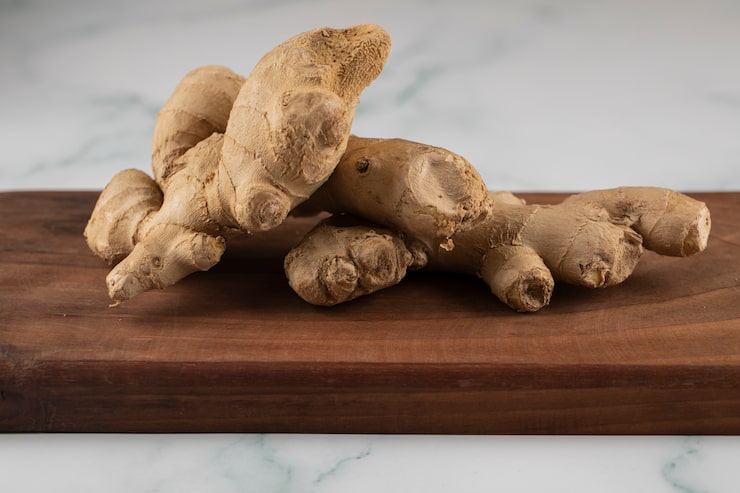
Ginger is an important ingredient across the Gulf Cooperation Council (GCC), where it is widely used in traditional cuisine, beverages, functional foods, herbal remedies, and other applications. Growing health awareness, a large expatriate population, expanding foodservice activities, and increasing interest in natural ingredients are encouraging broader use of ginger in both fresh and processed forms. At the same time, improvements in cold-chain infrastructure are helping maintain the quality of imported fresh ginger across the region.
According to the latest report by MarkNtel Advisors, the GCC Ginger Market is being shaped by rising consumer interest in healthy ingredients, government-led wellness initiatives, growing demand for convenient processed products, and the expanding food and hospitality sectors across Bahrain, Kuwait, Oman, Qatar, Saudi Arabia, and the UAE.
Expatriate Population Strengthens Ginger Consumption
The GCC's diverse expatriate population is a major factor supporting ginger consumption. Residents from South and Southeast Asia commonly use ginger in dishes such as biryani, curries, and marinades, as well as beverages including ginger tea and ginger shots.
Ginger's traditional association with digestive, anti-inflammatory, and wellness applications is also encouraging its use in herbal remedies and health-oriented beverages. Retailers are responding by offering different ginger varieties to meet diverse culinary preferences.
Fresh Ginger Remains Highly Preferred
Fresh ginger holds the leading position among product forms in the GCC. Its distinctive flavor, aroma, and natural characteristics make it particularly popular among households and foodservice providers.
The strong fresh-produce import network, particularly through the UAE and Saudi Arabia, supports year-round availability. Fresh ginger is widely incorporated into meals, beverages, ginger tea, and traditional herbal drinks across the region.
Processed Products Create New Opportunities
Demand for convenient food ingredients is encouraging greater adoption of processed ginger products such as ginger paste, powder, oils, and other value-added formats. Busy urban lifestyles and the expansion of the HORECA sector are increasing the need for standardized, ready-to-use ingredients.
These products can help restaurants and foodservice operators improve consistency and operational efficiency while reducing preparation requirements.
Food Applications Lead End-User Demand
The food industry represents the leading end-user segment for ginger across the GCC. Expanding food and beverage manufacturing, modern retail, and health-conscious consumption are increasing ginger's incorporation into sauces, ready meals, beverages, spice blends, and health shots.
Economic diversification initiatives and investments in food processing, logistics, and cold-chain infrastructure are further supporting the use of ginger across food applications.
Cold-Chain Infrastructure Improves Product Quality
The expansion of cold-chain logistics is an important trend shaping ginger distribution across the region. Governments and businesses are investing in cold storage, temperature-controlled transportation, solar-powered refrigeration, regulated storage facilities, and last-mile delivery systems.
These developments are particularly important for fresh ginger because the GCC's hot climate and long transportation distances can accelerate deterioration and reduce product quality. Improved cold-chain infrastructure can help maintain freshness and preserve the ingredient's flavor and value.
Import Dependence Remains a Challenge
The GCC relies heavily on imported ginger because its arid climate and limited arable land restrict large-scale domestic cultivation. Major supplying countries include India, China, and Nigeria.
This dependence exposes regional buyers to risks associated with crop failures, extreme weather, shipping disruptions, port congestion, and changing import regulations. Weather-related production problems in supplying countries can also contribute to supply shortages and price fluctuations.
Saudi Arabia Strengthens Its Position
Saudi Arabia holds the leading position within the GCC ginger landscape, supported by its large population, strong economy, expanding food retail and hospitality sectors, and growing consumer interest in healthier lifestyles.
Government initiatives such as Vision 2030 are also supporting improvements in food logistics and infrastructure, creating favourable conditions for ginger distribution and consumption.
Conclusion
The GCC ginger landscape continues to evolve through rising wellness awareness, diverse culinary preferences, expanding foodservice activities, and improvements in cold-chain logistics. Fresh ginger remains highly popular, while processed formats such as paste, powder, and oils are creating additional opportunities for convenience-focused consumers and businesses.
As the region continues strengthening food logistics, modern retail, and value-added processing capabilities, ginger is likely to remain an important ingredient across the GCC's food, beverage, wellness, and hospitality ecosystem.
Tags : Ginger Market