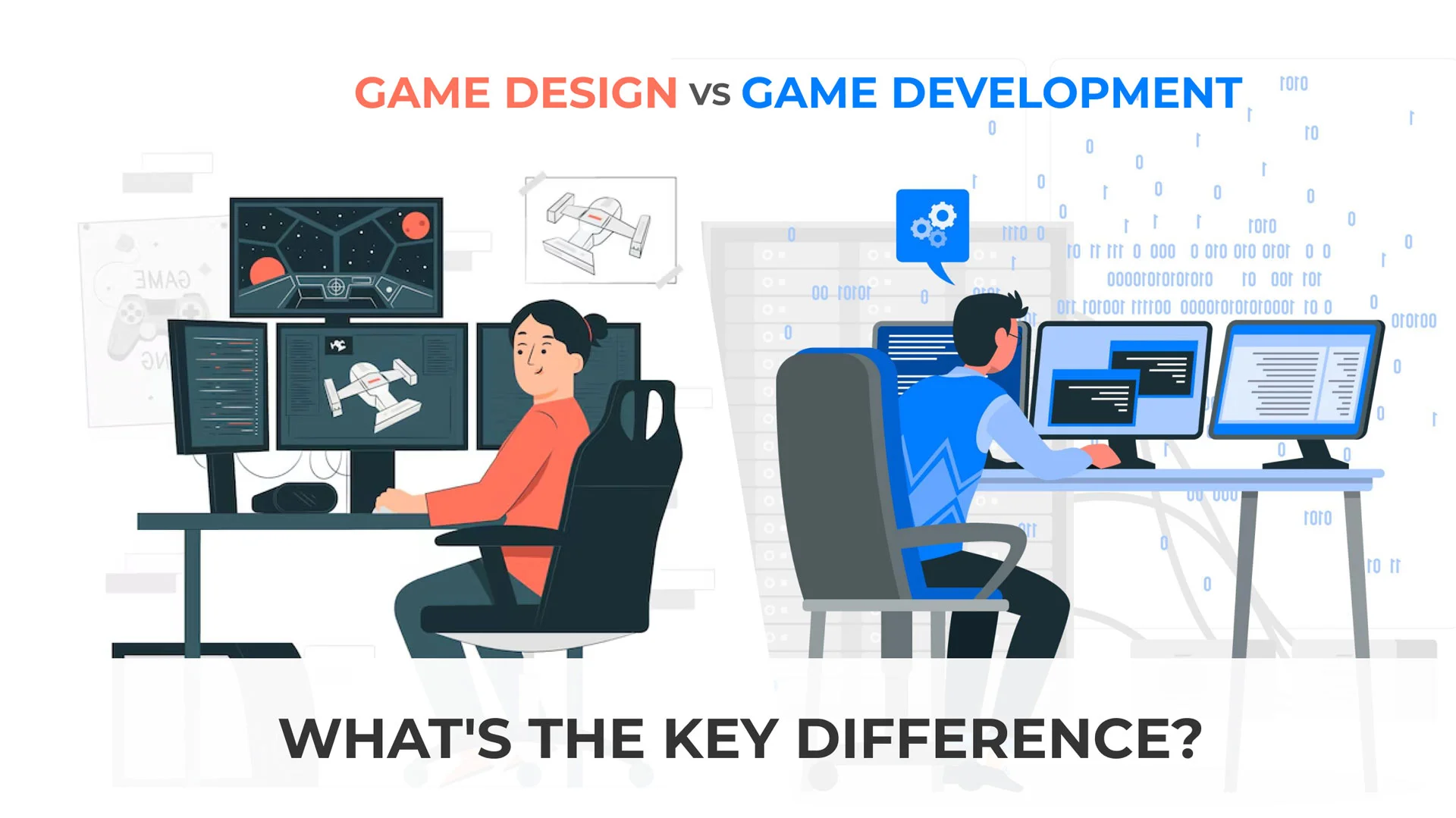
When exploring careers in gaming, one of the first questions people ask is the difference between game design and game development. Although the two fields work closely together, they involve different skill sets, responsibilities, and career paths. If you are planning to enter the gaming industry, this guide will help you understand both roles clearly so you can Start your journey here and choose the best direction for your goals.
What Is Game Design?
Game design focuses on the concepts, mechanics, and creative vision behind a game. It’s the blueprint stage where ideas take shape and decisions are made about how the game should feel and function.
Key Responsibilities of Game Designers
Creating game rules, levels, characters, and storylines
Designing gameplay mechanics
Planning difficulty progression
Conceptualizing user experience (UX)
Preparing design documents
Working with developers and artists to bring ideas to life
Essential Skills for Game Designers
Strong creativity and imagination
Understanding of player psychology
Visual storytelling
Basic knowledge of programming or game engines (optional but helpful)
Problem-solving and analytical thinking
Game design is ideal for individuals who enjoy building unique worlds, mechanics, and interactive experiences.
What Is Game Development?
Game development is the technical process of building the game, turning the design concepts into a functional, playable product. Developers write the code, integrate assets, build systems, and ensure the game actually works.
Key Responsibilities of Game Developers
Coding gameplay features
Developing mechanics and physics
Working with engines like Unity or Unreal
Optimizing performance
Debugging and solving technical issues
Collaborating with designers, artists, and audio engineers
Essential Skills for Game Developers
Strong programming knowledge (C#, C++, Python, etc.)
Experience with game engines
Mathematical and analytical thinking
Understanding of performance optimization
Ability to work with multidisciplinary teams
Game development suits individuals who enjoy building systems, solving technical problems, and bringing ideas to life through code.
Game Design vs Game Development: Side-by-Side Comparison
| Category | Game Design | Game Development |
|---|---|---|
| Focus | Concept & creativity | Coding & technical execution |
| Primary Output | Mechanics, stories, levels | Playable systems & features |
| Skills | Creative, analytical | Programming, technical |
| Tools | Figma, Photoshop, Miro | Unity, Unreal, Visual Studio |
| Daily Tasks | Planning, designing, testing ideas | Coding, debugging, testing systems |
| Who They Work With | Developers, artists, writers | Designers, artists, audio engineers |
Both roles are essential designers create what the game should be, and developers create how the game works.
Which Path Should You Choose in 2025?
Choose Game Design if:
You enjoy storytelling
You love planning gameplay experiences
You’re creative and imaginative
You want to shape the game’s “feel” and “fun factor”
Choose Game Development if:
You’re interested in code
You enjoy solving complex technical challenges
You like building functioning systems
You want to create the actual game mechanics
Both career paths offer great long-term potential, especially as the global gaming industry continues to grow rapidly in 2025.
Career Opportunities: Game Design vs Game Development
Popular Roles in Game Design
Level Designer
Systems Designer
Narrative Designer
UX Designer
Gameplay Designer
Popular Roles in Game Development
Gameplay Programmer
AI Developer
Graphics Programmer
Unity/Unreal Developer
Tools Engineer
Each role requires different strengths, but both offer opportunities to grow into senior, lead, or managerial positions.
Tools Used by Game Designers and Developers
Game Designers Use:
Figma, Adobe XD
Photoshop, Illustrator
Miro, Notion
Prototyping tools
Game balancing sheets
Game Developers Use:
Unity, Unreal Engine
Visual Studio, Rider
GitHub or GitLab
Blender or Maya (basic familiarity)
Coding frameworks
Learning the right tools helps you become more competitive in the industry.
Why Understanding the Difference Matters
Choosing between game design and game development can shape your entire gaming career. Many beginners confuse the two, leading to frustration. By understanding the unique responsibilities and expectations of each role, you can build a focused path toward the gaming job you truly want.
If you're exploring career options or want to understand how a gaming studio works, this comparison helps you see where your strengths fit best. And if you're planning to learn both, that’s even better—hybrid designers-developers are highly valued.
How Game Designers and Developers Collaborate
Collaboration is the heart of successful game creation. Designers start with vision and mechanics, and developers convert those ideas into code. Both communicate regularly to refine gameplay, fix issues, and deliver the best user experience.
This teamwork ensures that the final game is polished, functional, and engaging.
Final Thoughts
Understanding the difference between game design and game development is the first step toward entering the gaming industry confidently. Whether you're drawn to creativity or technology, both fields offer exciting opportunities and rewarding career paths.
To explore how professional gaming studios structure projects, you can always Start your journey here and learn more about the field. And for those interested in specialized help, many companies offer advanced Creative design services that bring game ideas to life through expert planning, prototyping, and asset creation.
Tags : Bit Tech Solutions