The Food Product Development process is the structured journey of converting a food idea into a safe, compliant, and market-ready product. Many food businesses fail not because of taste, but due to poor planning, incorrect Food Production, weak Food Packaging and labelling, or lack of Food Hygiene.
This guide explains the complete Food Product Development process in a simple, practical way for startups, manufacturers, and food brands.
What Is the Food Product Development Process?
The Food Product Development process is a series of planned steps that help create, test, scale, and launch a food product successfully. It combines Food Formulation, Food Production planning, hygiene control, packaging, and regulatory compliance.
In short, it ensures the product is commercially viable, legally compliant, and safe to consume.
Step 1: Idea Generation and Market Research
Every successful product starts with a clear idea. This step focuses on:
Identifying customer demand
Studying competitors
Selecting the right types of foods (snacks, beverages, dairy, health foods)
Understanding pricing and positioning
Market research helps avoid launching products with low demand.
Step 2: Concept Development and Product Planning
Once the idea is validated, the concept is defined:
Product category and target audience
Shelf life expectation
Distribution method
Required Food Hygiene level
At this stage, many brands consult a Food Consultant to avoid early-stage mistakes.
Step 3: Food Formulation and Recipe Development
Food Formulation is the technical heart of Food Product Development.
This step includes:
Ingredient selection
Recipe trials and optimization
Taste, texture, and nutritional balance
Cost control for Food Production
Multiple trials are conducted until the formulation is stable and scalable.
Step 4: Pilot Trials and Food Production Planning
After finalizing the formulation, pilot trials are conducted to test real production conditions.
This step ensures:
The recipe works at a larger scale
Consistent quality during Food Production
Equipment and process suitability
Pilot trials help reduce losses during commercial manufacturing.
Step 5: Food Hygiene and Safety Controls
Food Hygiene is critical during development and production.
Key hygiene activities include:
Safe raw material sourcing
Hygienic processing conditions
Contamination control
Storage and handling procedures
Poor hygiene can lead to product failure, recalls, or legal issues.
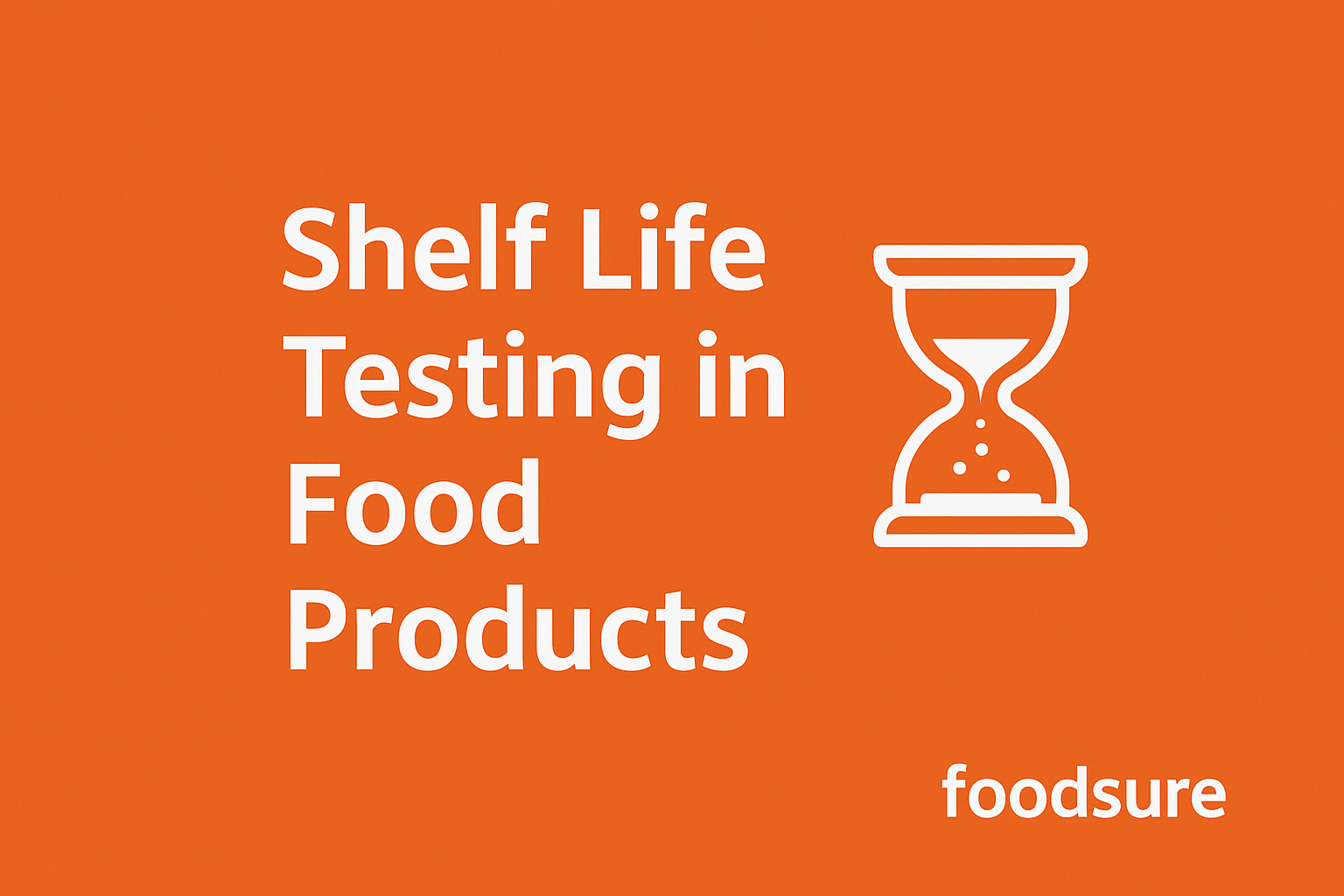
Step 6: Shelf-Life Testing and Product Validation
Shelf-life testing checks how long the product remains safe and stable.
This step evaluates:
Microbial safety
Sensory quality
Packaging performance
Storage conditions
Shelf-life data is essential for Food Packaging and labelling accuracy.
Step 7: Food Packaging and Labelling
Food Packaging and labelling protect the product and inform consumers.
This step covers:
Packaging material selection
Label content compliance
Nutritional information
Allergen declaration
Incorrect labeling can lead to penalties and product rejection.
Step 8: Regulatory Compliance and Approvals
Before launch, regulatory approvals are required.
This step ensures:
Compliance with food safety laws
Correct labeling format
Approved ingredients and additives
A Food Consultant often helps streamline this process.
Step 9: Commercial Launch and Scale-Up
The final step is market launch and scale-up.
It includes:
Large-scale Food Production
Distribution planning
Quality control monitoring
Continuous product improvement
Post-launch feedback helps improve future product versions.
Final Thoughts
The Food Product Development process is not just about creating a recipe. It combines Food Formulation, Food Hygiene, Food Production, and compliant Food Packaging and labelling to ensure long-term success.
Businesses that follow a structured development process and seek expert guidance from a Food Consultant achieve better quality, safety, and market acceptance.