Fleet Management Software: The Smart Solution for Modern Transportation Operations
By Varsha 28-07-2026 117
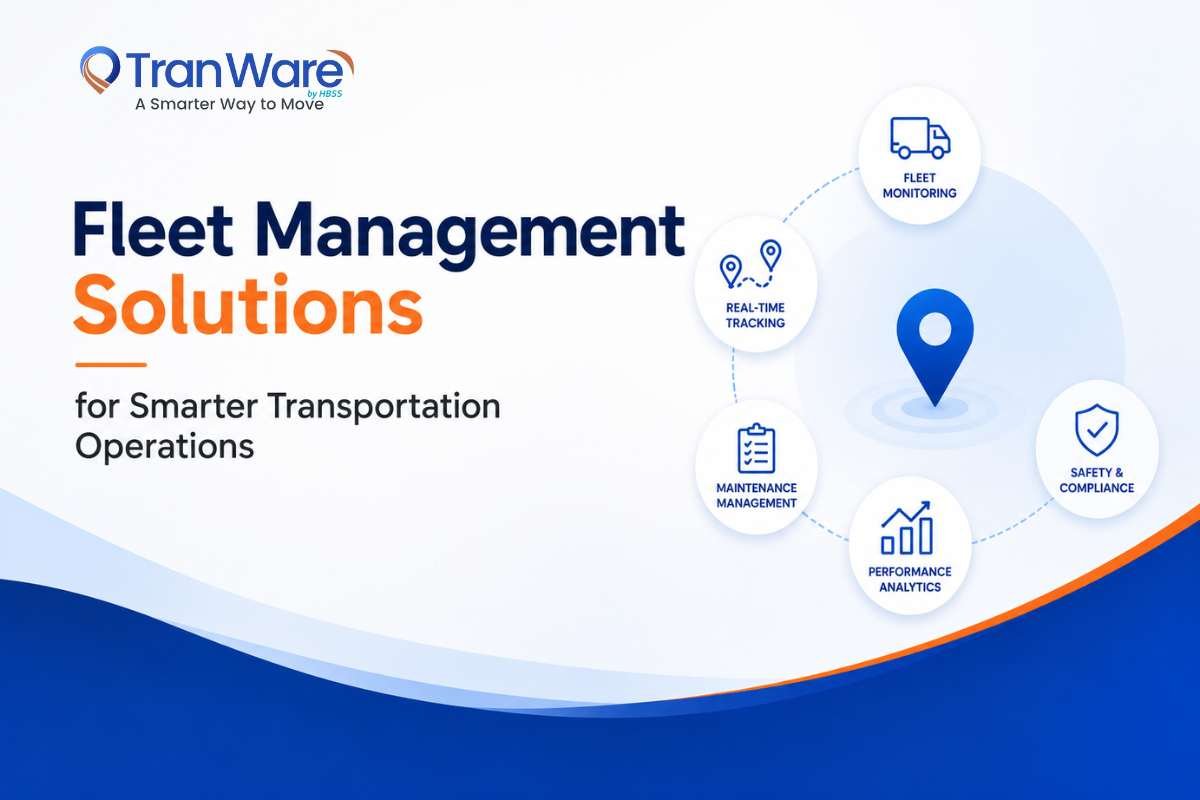
Transportation companies across the United States are under increasing pressure to reduce operational costs, improve vehicle reliability, and deliver better service to customers. Rising fuel prices, stricter compliance requirements, and the need for real-time fleet visibility have made fleet management software an essential tool for organizations of all sizes. Whether managing a small NEMT operation or a large mixed-use fleet, modern technology helps businesses streamline maintenance, monitor vehicle performance, and improve overall efficiency.
A comprehensive fleet management solution does far more than track vehicles. It connects dispatching, maintenance scheduling, GPS tracking, driver management, reporting, and compliance into a single platform. Companies that invest in advanced fleet management systems often experience lower maintenance costs, reduced downtime, and better customer satisfaction because vehicles stay on the road longer and operations run more smoothly.
Why Fleet Management Software Is Essential Today
Traditional fleet operations often rely on spreadsheets, manual logs, and disconnected systems. This approach creates inefficiencies that lead to missed maintenance schedules, inaccurate records, and higher operating expenses. Modern fleet management solutions automate these processes, giving managers real-time insight into every vehicle and driver in the fleet.
The benefits include:
- Lower fuel consumption through optimized operations
- Reduced unexpected breakdowns
- Improved preventive maintenance scheduling
- Better driver accountability
- Enhanced compliance reporting
- Increased vehicle utilization
- Faster decision-making with real-time data
For transportation providers handling hundreds of trips daily, automation can significantly reduce administrative workload while improving operational performance.
The Role of a Fleet Management Platform
A centralized fleet management platform acts as the operational hub for transportation businesses. It brings together vehicle tracking, maintenance management, dispatching, and analytics in one interface, allowing managers to monitor fleet performance from any location.
Key capabilities typically include:
- Real-time GPS tracking
- Vehicle diagnostics
- Maintenance scheduling
- Driver performance monitoring
- Fuel usage analysis
- Inspection management
- Compliance documentation
- Reporting dashboards
By consolidating data into a single system, organizations can identify trends, address issues proactively, and make data-driven decisions that improve profitability.
Preventive Maintenance with a Fleet Maintenance Management System
Vehicle maintenance is one of the largest ongoing expenses for transportation companies. A robust fleet maintenance management system helps organizations move from reactive repairs to preventive maintenance, which is generally less expensive and less disruptive.
The system automatically tracks service intervals based on mileage, engine hours, or time. When a vehicle approaches a scheduled maintenance threshold, managers receive alerts to schedule service before a failure occurs.
Common preventive maintenance tasks include:
- Oil changes
- Tire rotations
- Brake inspections
- Battery testing
- Transmission service
- Safety inspections
- Emissions checks
Preventive maintenance not only reduces repair costs but also improves passenger safety and regulatory compliance.
NEMT Fleet Maintenance Software for Healthcare Transportation
Non-Emergency Medical Transportation providers face unique operational requirements. Vehicles must remain reliable because missed medical appointments can directly affect patient care. Specialized NEMT fleet maintenance software helps providers maintain high vehicle availability while ensuring compliance with transportation regulations.
Features often include:
- ADA vehicle inspection tracking
- Wheelchair lift maintenance records
- Preventive maintenance scheduling
- Service history documentation
- Safety certification tracking
- Automated maintenance reminders
For NEMT operators, keeping vehicles in service is critical for maintaining contractual obligations with healthcare organizations and transportation brokers.
Fleet Maintenance Tracking Improves Reliability
Accurate fleet maintenance tracking provides a complete history of every vehicle, including repairs, inspections, warranties, and service costs. This information helps managers identify recurring mechanical problems and determine when a vehicle should be repaired or replaced.
Benefits of maintenance tracking include:
- Reduced unexpected breakdowns
- Better warranty management
- Lower long-term repair expenses
- Improved asset lifecycle planning
- Easier compliance audits
A well-maintained fleet typically experiences higher resale values and fewer service interruptions, which directly impacts profitability.
GPS Tracker for Fleet Management
Real-time visibility is one of the most valuable features of modern transportation technology. A GPS tracker for fleet management allows dispatchers and managers to monitor vehicle locations, trip progress, and driver activity instantly.
GPS tracking supports:
- Live vehicle monitoring
- Route optimization
- Idle time reduction
- Driver behavior analysis
- Theft recovery
- Geofencing alerts
- Accurate arrival estimates
By reducing unnecessary mileage and improving route efficiency, GPS tracking can significantly lower fuel costs while enhancing customer service.
How Fleet Management Systems Reduce Operating Costs
The financial impact of implementing fleet management systems can be substantial. Studies consistently show that organizations using automated fleet management technology often achieve measurable reductions in fuel consumption, maintenance expenses, and vehicle downtime.
Actual results vary depending on fleet size, operational practices, and software implementation.
Choosing the Right Fleet Management Software
Selecting the best solution requires evaluating both current needs and future growth plans. Important considerations include:
Scalability
The software should support additional vehicles, drivers, and operational locations as the business expands.
Integration Capabilities
Look for integration with dispatching, billing, maintenance, and reporting systems to avoid duplicate data entry.
Ease of Use
A user-friendly interface improves adoption among dispatchers, drivers, and maintenance staff.
Mobile Access
Cloud-based platforms with mobile applications allow managers to monitor operations from anywhere.
Customer Support
Reliable technical support and training resources are essential for successful implementation.
Common Mistakes to Avoid
Many organizations fail to achieve the full benefits of fleet technology because of avoidable mistakes.
Choosing Based Only on Price
The least expensive solution may lack critical features such as maintenance tracking or GPS integration.
Ignoring User Training
Employees need proper training to use the system effectively.
Failing to Monitor Data
Collecting data without reviewing reports and analytics limits the value of the software.
Delaying Preventive Maintenance
Automated alerts are only effective if maintenance is performed on schedule.
Expert Tips for Maximizing ROI
- Review maintenance reports weekly.
- Use GPS data to reduce excessive idling.
- Set automated service reminders for all vehicles.
- Monitor driver behavior to improve fuel efficiency.
- Replace aging vehicles before repair costs escalate.
- Integrate maintenance, dispatch, and billing into a single workflow.
Organizations that actively use fleet analytics often see greater operational improvements than those using software solely for basic tracking.
Conclusion
Modern transportation businesses need more than basic vehicle tracking to remain competitive. Comprehensive fleet management software combines dispatching, maintenance, GPS monitoring, analytics, and compliance management into one powerful system that improves efficiency across the entire operation.
From advanced fleet management systems and scalable fleet management solutions to specialized NEMT fleet maintenance software, preventive fleet maintenance management system tools, accurate fleet maintenance tracking, and real-time GPS tracker for fleet management capabilities, the right technology helps organizations reduce costs, increase reliability, and deliver better transportation services.
For NEMT providers, public transit agencies, and mixed-use fleet operators, investing in a modern fleet management platform is no longer optional—it is a strategic decision that supports safer operations, improved vehicle availability, and long-term business growth.