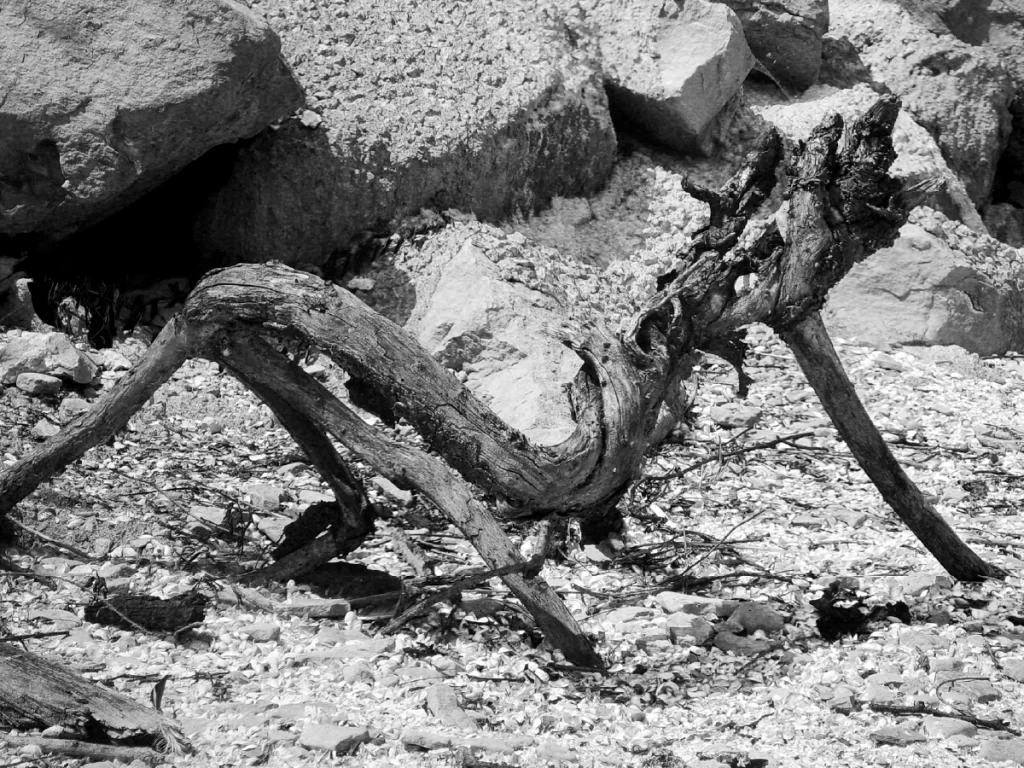
There is a point in being out in the world with a camera, in between curiosity and silence, where you start to notice that you're not taking pictures anymore. You’re seeing.
Maybe it's that light that is sliding between two buildings at sunset. Maybe it is the silence of a frozen lake; the sound of laughs reverberates through a narrow street. You stop rushing. You slow down. You start noticing.
That’s where fine art travel photography begins. It's not about telling where you have been - it's about telling what it was like to be there.
What Makes Fine Art Travel Photography Different
Sure enough, travel photos are ubiquitous. Beaches, mountains, and colorful doors, all framed in the same way and filtered to perfection. But fine art travel photography isn’t about chasing the postcard shot. It’s about feeling.
It's the difference between, 'This is what I saw,' and 'This is how it moved me.'
A fine art photograph is not so much about the place as it is about the connection. It's a picture that has mood - light, texture, and emotion; they all come together in the quiet telling of a truth.
That’s exactly what you’ll feel when you look through Hatch Photo Artistry. The photos there don’t shout. They whisper. They have patience and truthfulness too, as if the photographer waited till the world was ready to speak.
That’s the soul of fine art travel photography — not just looking, but listening.
Slow Down and Let the Place Speak
Most travelers are in a hurry to do things - visit the landmark, take a picture, and leave. But fine art photography photographers live for the pause.
They wait for the opportune gust of wind. The manner in which the light crawls on a wall. The second time you get a shadow, that's right.
You can’t force those moments. They come to you, and you can only be there when they do.
A while ago I was walking through a small town one morning. Everyone was taking pictures of the sun rising - beautiful, of course - but what I saw was an old man sweeping his porch, the light just hitting his hands. It was not dramatic but it felt like the truth. That one image told a story about quiet work, it told a story about time, and it told a story about home.
That’s what fine art travel photography captures — the heartbeat of a place, not just its face.
Shoot for Emotion, Not Perfection
Great travel photography is not always clean and polished. Some of the strongest images are produced by imperfection - a little bit of blur, a little bit of shadow, a mood that really doesn't fit.
Because emotion isn’t tidy.
When you are lifting your camera, ask yourself, "How am I feeling right now?"
If it’s peace, show that. If loneliness is what your frame is about, let it be about that. Technically, a perfect photo is not perfect and an honest photo that is not perfect will stick with people.
Take a look at The North from Hatch Photo Artistry. Icy landscapes are not just snow and sky but hold stillness, isolation and even awe. The cold is not only seen but can be felt.
That's fine art - when a photograph goes past the eye and into the heart.
Light Tells the Story
If emotion is the soul of fine art travel photography, then light is its language.
Morning light feels hopeful. Noon light feels harsh. It is only in the twilight of the day that memory exists.
When you're out shooting, observe the changes that light makes to everything. The same alley is at 8 a.m. is peaceful, and 8 p.m., lonely. Light creates mood before you know it.
And don’t fear cloudy days. Overcast light is very emotional - soft, reflective, and human. It's not about "perfect conditions"; it's about understanding how light makes us feel.
Texture, too, adds depth. The rough bark of a tree, the gleam of wet pavement, the cracks in a painted wall - those are the details that give your photos touch and weight.
Edit Like You Remember, Not Like You Think You Should
When you get home and sit in front of your monitor, don't overedit.
Fine art photography is not about filters and perfection. It’s about truth.
Ask yourself, what was it like for this place when I was there?
Was it heavy? Were they calm, electric, or cold? Edit for that.
Raise the light if it seemed to be airy. Add contrast if it was a high-level experience. If the memory is very quiet, then let the colors fade slightly. Your aim is not to "fix" the photo but to have the same emotion you did when you took it.
The best changes are the breathing ones.
Let Your Photos Tell a Story
A good photograph can make a person stop in their tracks. But there is a place that they can arrive at with a series of photographs - a body of work.
When you are thinking about your collection, think of it like a short film or a book. One image might set the scene. Another might show a minor detail - a texture, a face, a shadow. The last one may leave a feeling behind.
Fine art travel photography is storytelling through moments that belong together.
That’s why collections like those at Hatch Photo Artistry feel so complete. The images are emotionally linked, even if the settings are on opposite sides of the world. It's not matching colors - it's matching feeling.
What It Teaches You
Fine art travel photography changes how you move through the world.
You begin to notice more - how the light falls on the floor, the way people move when they think no one is watching, how silence can sound loud in the right place.
You become more patient. More curious. And, strangely, more grateful.
You realize that photography is not about cameras or lenses or even composition, really. It's an awareness - of noticing beauty in its most basic, transitory form.
That's really the gift of this kind of work.
A Final Thought
If you’ve never tried fine art travel photography, give it a chance. Don't bother about equipment and perfection. Just pick up your camera (or your phone) and go somewhere new. Then pause. Watch. Feel.
You'll know the right moment of time has come. The world will tell you—silently, in its own language.
And if it does, bring up your camera. Not to create a picture but to make one.
If you ever need a dose of quiet inspiration, visit Hatch Photo Artistry. The pictures there remind us that photography is not about what we see. It's how far down into it we let ourselves go.
Because the best travel photos do not merely represent places - they represent slices of ourselves.
Tags : .....