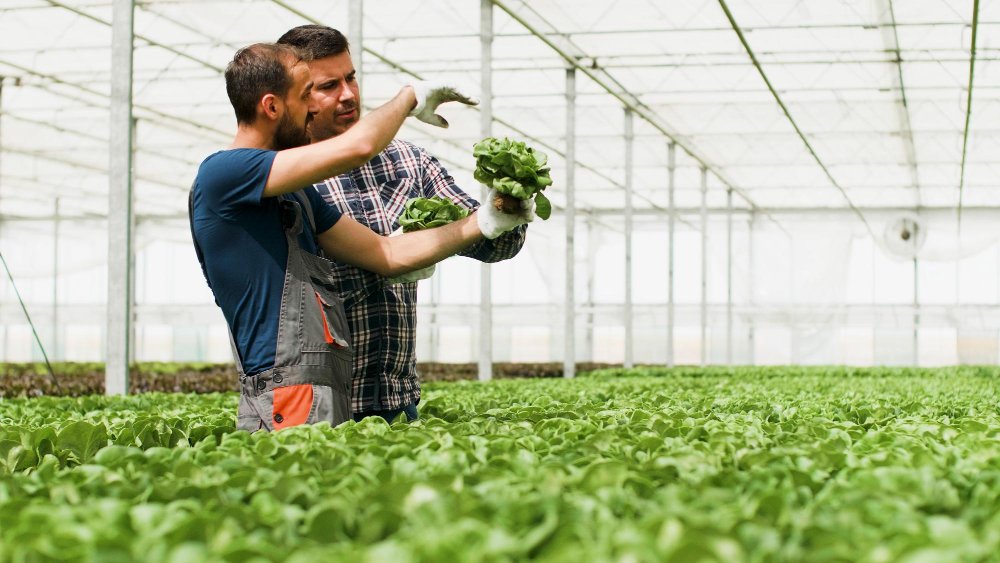
Farm digitisation is reshaping modern agriculture by integrating digital tools into everyday farming activities. As agriculture faces challenges such as climate change, labor shortages, and rising input costs, farm digitisation offers practical solutions that improve productivity, efficiency, and sustainability. By adopting technology-driven practices, farmers can make informed decisions, reduce risks, and enhance overall farm performance.
Understanding Farm Digitisation in Agriculture
Farm digitisation refers to the use of digital technologies to manage, monitor, and optimize agricultural operations. This includes tools such as mobile applications, sensors, data analytics platforms, GPS-enabled machinery, and cloud-based systems. Farm digitisation allows farmers to collect real-time data, automate processes, and gain better control over crops, livestock, and resources.
Why Farm Digitisation Is Important Today
Traditional farming methods rely heavily on experience and manual observation. While valuable, these methods can be time-consuming and inconsistent. Farm digitisation enables data-driven decision-making, helping farmers respond quickly to changing conditions. With increasing pressure to produce more food using fewer resources, farm digitisation supports higher yields, reduced waste, and improved farm profitability.
Key Components of Farm Digitisation
Farm digitisation consists of several interconnected components. Digital record keeping helps farmers track expenses, yields, and crop cycles. Smart sensors monitor soil moisture, temperature, and nutrient levels. Satellite imagery and drones support crop health analysis. Farm digitisation also includes automated irrigation systems and precision farming tools that apply inputs exactly where needed.
Role of Data in Farm Digitisation
Data is the foundation of farm digitisation. By collecting and analyzing data from multiple sources, farmers gain insights into crop performance and field conditions. Farm digitisation platforms convert raw data into actionable recommendations, allowing farmers to plan planting schedules, manage pests, and optimize fertilizer use more effectively.
Farm Digitisation and Precision Agriculture
Precision agriculture is a key outcome of farm digitisation. It focuses on applying the right input at the right place and time. Through farm digitisation, farmers can use GPS-guided equipment and digital maps to reduce overuse of seeds, water, and chemicals. This not only lowers costs but also minimizes environmental impact.
Improving Farm Productivity Through Digitisation
Farm digitisation directly contributes to higher productivity by reducing inefficiencies. Automated systems save time on repetitive tasks, while digital alerts help farmers take preventive action. By monitoring crop health continuously, farm digitisation reduces crop losses and improves overall yield consistency.
Farm Digitisation for Small and Marginal Farmers
Farm digitisation is not limited to large-scale farms. Affordable mobile-based solutions are making farm digitisation accessible to small and marginal farmers. Digital advisory services, weather forecasts, and market price updates empower farmers to make smarter decisions and improve income stability.
Supply Chain Transparency Through Farm Digitisation
Farm digitisation enhances transparency across the agricultural supply chain. Digital traceability systems track produce from farm to market, ensuring quality and safety. This builds trust among buyers and consumers while enabling farmers to access better market opportunities through verified data.
Challenges in Adopting Farm Digitisation
Despite its benefits, farm digitisation faces challenges such as limited digital literacy, poor internet connectivity in rural areas, and initial investment costs. Addressing these barriers requires training programs, infrastructure development, and user-friendly digital tools designed specifically for farmers.
Role of Government and Private Sector
Government initiatives and private agritech companies play a crucial role in promoting farm digitisation. Subsidies, digital platforms, and farmer training programs encourage adoption. Public-private partnerships support scalable farm digitisation models that benefit both farmers and the broader agricultural ecosystem.
Farm Digitisation and Sustainability
Farm digitisation supports sustainable farming practices by reducing resource wastage and environmental impact. Efficient water management, optimized fertilizer use, and reduced chemical runoff contribute to soil health and biodiversity. Farm digitisation aligns agriculture with long-term environmental goals.
Impact of Farm Digitisation on Decision Making
With farm digitisation, farmers move from reactive to proactive decision-making. Predictive analytics and forecasting tools help anticipate risks such as pest attacks or weather changes. This forward-looking approach improves resilience and farm stability.
Future Trends in Farm Digitisation
The future of farm digitisation includes artificial intelligence, machine learning, and automation. Advanced systems will provide personalized recommendations and predictive insights. As technology becomes more affordable, farm digitisation will continue to expand across all farming scales.
Conclusion
Farm digitisation is transforming agriculture by making farming smarter, more efficient, and sustainable. Through digital tools, data-driven insights, and automation, farm digitisation empowers farmers to overcome challenges and improve productivity. As adoption grows, farm digitisation will play a central role in ensuring food security, farmer profitability, and sustainable agricultural development for the future.
Tags : farm digitisation