Family Floater or Separate Policy: Which is Best for Parents in India
By rajdeep Singh 06-10-2025 64
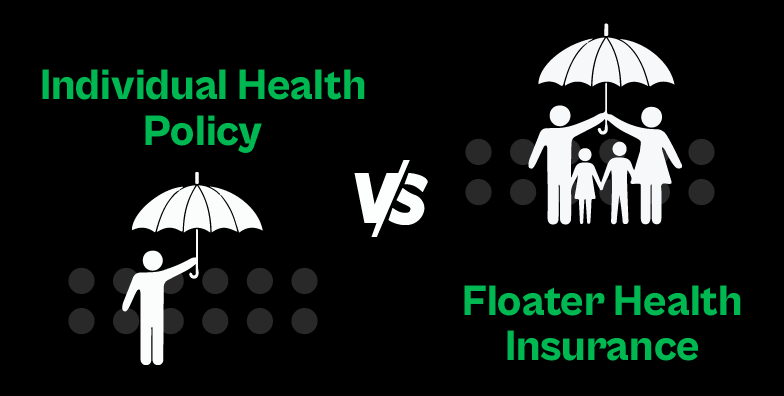
In India, health insurance has evolved into a crucial financial safety net for families. With rising medical costs, especially for treatment relating to chronic conditions and senior care, securing comprehensive health insurance is more important than ever. A common question among policyholders is whether to include parents in a family floater plan or to opt for a separate parents health insurance policy. This blog delves deeply into this dilemma, guiding Indian families on making informed decisions that best suit their financial and healthcare needs.
Understanding the nuances between a family floater plan and dedicated health insurance for senior citizens can significantly impact coverage benefits and claim efficiency. This article will explore key considerations such as coverage limits, premium costs, claim settlement ratios, and customised benefits for senior members. If you seek clarity on how best to protect your parents’ health and ensure worry-free medical care, this detailed discussion will provide valuable insights, helping you choose the most effective insurance solution.
What is a family floater health insurance plan
A family floater health insurance is designed to cover all members of a family under a single sum insured. This plan offers the flexibility to share the total coverage amount among insured members as and when medical expenses arise. In the Indian context, a typical family floater policy includes the policyholder, spouse, and dependent children. Many insurers also allow parents or parents-in-law to be added to the plan, but this depends on the insurer’s terms and age restrictions.
The main advantage of a family floater plan is that it simplifies premium payments by consolidating coverage under one policy. It also provides a uniform sum insured that can be utilised by any family member needing medical treatment. For younger families with minimal health risks, this approach is often cost-effective and easy to manage.
However, including parents, especially those aged above 60, poses challenges. Senior citizens generally require higher coverage due to increased health risks and potential hospitalisation. Since the sum insured is shared, medical expenses claimed by one member can reduce the available coverage for others, which can be problematic in chronic illness scenarios. Additionally, family floater plans may have age caps that prevent or limit coverage for senior citizens, making it crucial to assess if this plan truly meets the needs of ageing parents.
Advantages and disadvantages of including parents in a family floater
When considering parents' health insurance under a family floater, there are clear pros and cons to weigh.
Advantages:
- Cost-effectiveness: Adding parents to a family floater can lower overall premiums compared to buying separate policies, as insurers often provide discounts on combined coverage.
- Ease of management: One policy means fewer renewals, one point of contact with the insurer, and consolidated paperwork when making claims.
- Flexible utilisation: The total sum insured can be shared depending on who requires hospitalisation, providing some financial flexibility within family needs.
- Tax benefits: Premiums paid for parents’ health insurance under a family floater qualify for deductions under Section 80D, adding to financial benefits.
Disadvantages:
- Limited coverage for parents: Family floaters may impose lower coverage sums for senior citizens, restricting access to funds when parents need them most.
- Shared sum insured risk: High medical costs incurred by one member affect others, potentially leaving insufficient balance for parents.
- Age restrictions: Many family floater policies have upper age limits (generally 60-65 years), meaning older parents may not be eligible.
- Claim complications: Multiple insured members can create disputes or delays in claims, especially when large expenses are involved for chronic ailments common in senior citizens.
For families with parents who have existing health conditions or who need higher coverage, these disadvantages often outweigh the benefits of combining them under a family floater.
Benefits of separate health insurance for senior citizens
An increasingly popular alternative to including parents in a family floater is opting for dedicated health insurance for senior citizens. These plans are customised for people aged 60 and above, addressing the unique healthcare needs of older individuals with comprehensive coverage and specific benefits.
Key benefits of separate health insurance for senior citizens include:
- Higher coverage limits: Senior citizen policies typically offer higher sum insured options tailored to meet expensive treatments such as cardiac care, joint replacement, or cancer therapies.
- Wide hospital network: These plans often have a vast network of hospitals specialised in geriatric care, simplifying access to medical services.
- Coverage for pre-existing diseases: Many senior citizen health plans cover pre-existing ailments after a reasonable waiting period, which is crucial since most parents have some health issues.
- No co-payment or lower co-payment options: Many senior citizen policies offer cashless treatment with minimal co-payment, reducing out-of-pocket expenses.
- Additional wellness benefits: Specific features like annual health check-ups, home healthcare services, and discounts on fitness programmes help maintain overall health.
- Claims priority: Separate policies offer quicker claim settlement for senior insured members because the focus remains solely on their medical needs.
- No dependence on family floater balance: Since coverage is individual, parents can utilise their entire sum insured without affecting other family members’ claims.
Given that medical needs increase significantly with age, a dedicated senior citizen health plan ensures comprehensive and hassle-free coverage tailored specifically for parents.
Factors to consider before deciding on the insurance plan
Choosing between including parents in a family floater or opting for separate parents health insurance involves understanding specific factors unique to your family’s circumstances.
- Age and health condition of parents: If parents are above 65 or have chronic illnesses, a separate senior citizen policy is often more beneficial due to tailored coverage and broader benefits.
- Sum insured requirements: Evaluate the total amount of coverage needed for all family members. Senior citizens may require higher coverage because of frequent hospital visits and treatments.
- Budget constraints: Family floaters typically have lower premiums but may compromise coverage quality, while separate plans can be higher priced but provide specialised benefits.
- Claim history: If parents have a history of medical issues, a separate plan reduces complexities and ensures their claims do not affect other family members.
- Waiting periods: Many senior citizen plans have shorter waiting periods for pre-existing diseases compared to family floater plans with parents included.
- Network hospitals: Check if hospitals preferred by your parents are in the policy’s network, which affects cashless treatment availability.
- Renewability and policy terms: Senior citizen health plans often guarantee lifelong renewability, ensuring continued protection as parents age.
- Tax benefits: Consider the differences in tax benefits under Section 80D when parents are included in a family floater versus a separate policy.
Assessing these factors critically will help Indian families take an informed decision that balances affordability with the security of comprehensive healthcare coverage.
Conclusion
For Indian families, the choice between including parents in a family floater plan or opting for separate parents health insurance or health insurance for senior citizens policies hinges on individual circumstances and long-term health needs. While family floaters offer simplicity and cost savings for younger families, they often fall short in providing adequate coverage for ageing parents, especially those with pre-existing conditions or chronic illnesses.
Separate health insurance plans for senior citizens come with specialised benefits, higher sum insured limits, and flexible coverage that are more suited to the medical realities of older adults. These plans not only ensure better healthcare access but also reduce the risk of financial burden on other family members.
Tags : .....