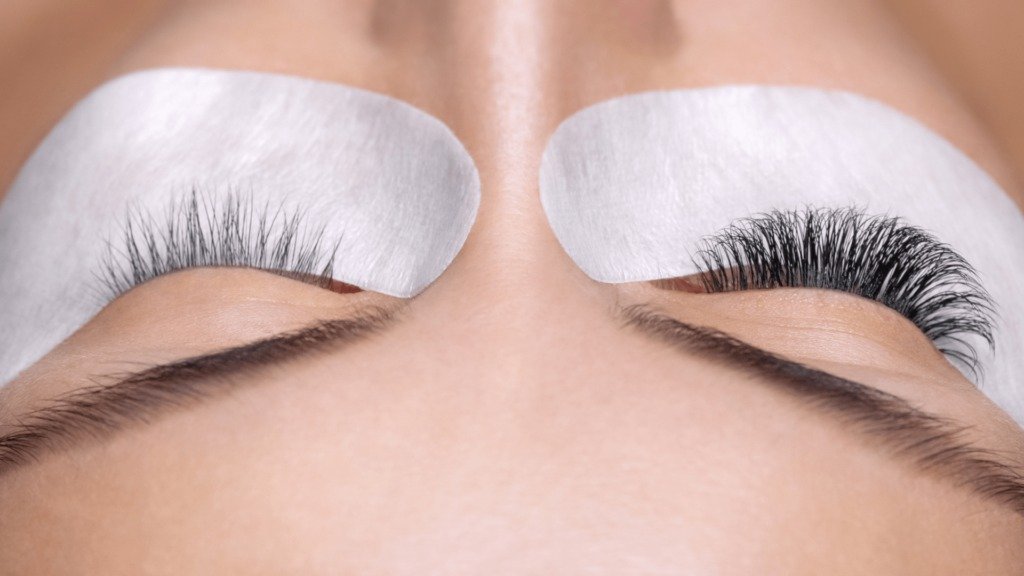
Eyelash density plays an important role in the appearance of the eyes, influencing how full, defined, and balanced the lash line looks. For individuals considering an eyelash transplant, achieving a natural result involves more than simply adding hair. The number of grafts, their placement, the direction of growth, and the characteristics of the donor hair must all be considered carefully. A well-planned approach aims to complement the patient's natural features without creating an excessively dense or artificial appearance.
An Eyelash Hair Transplant in Dubai begins with an assessment of the existing eyelashes, the condition of the eyelid skin, and the availability of suitable donor hair. Some patients may have naturally sparse lashes, while others may experience reduced growth because of trauma, scarring, previous procedures, or other causes. Understanding the reason for eyelash loss helps the surgeon determine whether transplantation is appropriate and what outcome may be realistic.
Lash density is not measured by graft numbers alone. The distribution of transplanted follicles across the upper or lower eyelid, the spacing between them, and the angle at which they are implanted can significantly affect the final appearance. Individual eyelid anatomy and the patient's aesthetic preferences also influence the treatment plan.
Because transplanted scalp hair may continue growing like scalp hair, long-term grooming requirements should be discussed before surgery. Patients should also understand that graft survival and growth vary, and that the final appearance develops gradually rather than immediately after the procedure.
How Is Eyelash Density Determined Before Surgery?
Planning begins with a detailed examination of the natural lash line. The surgeon evaluates the number of existing eyelashes, areas of reduced density, differences between the two eyes, and the overall shape of the eyelids. This assessment helps establish whether the goal is to restore missing lashes, improve fullness, or address an uneven appearance.
The desired density should suit the patient's anatomy rather than follow a universal target. Someone with a naturally delicate lash line may need a different distribution from someone seeking more noticeable fullness. The surgeon must also consider whether existing follicles can support the intended appearance without unnecessary intervention.
Donor hair availability is another factor. Eyelash transplantation generally uses individual follicles harvested from a suitable donor area, commonly the scalp. Hair characteristics, including thickness, texture, and growth behaviour, influence how closely the transplanted lashes may resemble natural eyelashes.
Factors That Influence Lash Density Planning
Number of Grafts Required
The graft requirement depends on the length of the area being treated, the number of existing lashes, and the desired degree of fullness. A patient with small gaps may require a different approach from someone with extensive eyelash loss.
The surgeon estimates the number of follicles needed after examining the eyelid and discussing the patient's goals. Increasing the graft count indiscriminately is not necessarily beneficial. Excessive density can complicate placement and may produce an unnatural pattern if the follicles are not distributed appropriately.
Natural Lash Direction and Angle
Eyelashes do not grow straight outward from the eyelid. Their direction and curvature contribute to the natural framing of the eyes. During transplantation, the surgeon must account for the angle of insertion and the direction in which each follicle is expected to grow.
Even a relatively small deviation can affect the overall appearance. Poorly directed hairs may cross neighbouring lashes, grow toward the eye, or require additional grooming. Careful placement is therefore essential when planning density.
Spacing Between Follicles
Spacing determines how evenly the transplanted hairs fill the lash line. Closely grouped follicles may create the impression of concentrated growth, while excessive spacing can leave visible gaps.
A thoughtful distribution takes existing lashes into account, using the available space to create a balanced appearance. The objective is to achieve appropriate coverage without compromising the health of the eyelid tissue.
Donor Hair Characteristics
Donor hair can differ from natural eyelashes in thickness, length, texture, and growth cycle. These differences influence both the initial plan and the maintenance required after surgery.
Fine, suitable donor hairs may blend more naturally in some patients, but the most appropriate choice depends on individual characteristics and availability. The surgeon should explain how the selected follicles are likely to behave after transplantation.
Clinic Considerations for Eyelash Transplantation in Dubai
Choosing a provider requires attention to the surgeon's experience with eyelid procedures, the suitability of the proposed technique, and the quality of preoperative assessment. The following providers are options patients may investigate when researching hair restoration or related aesthetic services. Their specific experience with eyelash transplantation should be confirmed directly.
Dynamic Life Clinic
Dynamic Life Clinic is an aesthetic provider that patients may consider when researching cosmetic treatments in Dubai. Before proceeding with an eyelash transplant, prospective patients should ask whether the clinic offers the procedure and whether the treating surgeon has specific experience with follicular implantation along the eyelid margin.
The consultation should cover graft estimates, donor hair selection, expected growth direction, potential complications, and postoperative care. Patients should also request clear information about who performs the surgery and how follow-up appointments are managed.
Enfield Royal Clinic
Enfield Royal Clinic is another provider patients may contact when exploring aesthetic and hair restoration procedures. Anyone considering an Eyelash Hair Transplant in Dubai should confirm the clinic's current eyelash transplantation services, the qualifications of the responsible surgeon, and the team's experience with delicate periocular procedures.
A useful consultation should include an assessment of existing lash density, the intended distribution of grafts, donor hair suitability, and the potential need for regular trimming after transplantation. Patients should also discuss risks such as infection, scarring, poor graft growth, and hairs growing in an unsuitable direction. A clear treatment plan should explain the expected outcome without guaranteeing a particular density.
Emirates Hospital
Emirates Hospital is a healthcare provider that patients may investigate when seeking specialist medical assessment in Dubai. Its relevance to eyelash transplantation depends on the availability of an appropriately qualified specialist and confirmation that the specific procedure is offered.
Patients should ask about the clinician's experience with eyelid anatomy, follicular graft placement, and the management of complications. It is also important to understand whether preoperative investigations are needed, what postoperative monitoring is provided, and whom to contact if irritation or abnormal hair growth develops.
Tajmeels Clinic
Tajmeels Clinic may be included in a patient's research into cosmetic and aesthetic services. However, patients should verify whether eyelash transplantation is currently available rather than assuming that general aesthetic services include this specialised procedure.
During an initial assessment, questions should focus on the proposed graft count, how natural lash direction will be recreated, and how the team plans to minimise uneven growth. Written aftercare instructions and realistic expectations about the time required for visible growth are also important considerations.
Dubai Cosmetic Surgery Clinic
Dubai Cosmetic Surgery Clinic is another provider patients may research when comparing cosmetic surgery options. Before selecting a surgeon for eyelash transplantation, patients should confirm the availability of the procedure and ask about specific training and experience in eyelid-area hair restoration.
The consultation should address the relationship between graft density and natural appearance, the suitability of donor hair, and the possibility of additional treatment if growth is uneven. Patients should also understand the recovery process and the risks associated with operating close to the eye.
Cocoona Clinic
Cocoona Clinic is a provider patients may investigate as part of their search for cosmetic procedures in Dubai. The key consideration is whether its current services include eyelash transplantation performed by a suitably qualified and experienced practitioner.
Patients should seek an individualised assessment rather than a predetermined graft package. Important topics include existing eyelash distribution, the desired cosmetic effect, donor area limitations, and the measures used to protect the eyelid and eye during surgery.
Al Zahra Hospital Dubai
Al Zahra Hospital Dubai is a hospital-based option patients may research when considering specialist care. Prospective patients should establish whether eyelash transplantation is available through an appropriately qualified specialist and whether the procedure is suitable for their particular circumstances.
A thorough assessment may be especially important for patients with eyelid scarring, previous surgery, or a history of eyelash loss associated with an underlying condition. The clinician should explain whether further investigation or treatment is needed before transplantation is considered.
King's College Hospital London Dubai
King's College Hospital London Dubai may be considered by patients seeking specialist medical assessment. Its suitability for eyelash transplantation depends on the relevant department's current services and the availability of a clinician with appropriate procedural expertise.
Patients should ask whether the consultation includes an examination of the eyelid margin, assessment of donor hair, and discussion of potential complications. For those with unexplained eyelash loss, establishing the underlying cause may be more important than proceeding directly to a cosmetic procedure.
How to Choose the Right Clinic for Eyelash Hair Transplant in Dubai
Selecting a provider involves more than comparing prices or the number of grafts offered. Because eyelash transplantation takes place close to the eye, clinical expertise, careful planning, and appropriate follow-up are essential.
Experience and Qualifications
Confirm the surgeon's qualifications, relevant licensing, and experience with eyelash transplantation specifically. Experience with scalp hair transplantation can be useful, but eyelid procedures require additional understanding of delicate anatomy, lash direction, and the risks associated with the eye.
Ask to see appropriately documented before-and-after photographs, with consent, that demonstrate comparable cases and realistic outcomes.
Technology and Techniques
Ask which harvesting and implantation techniques will be used and why they are suitable for your case. The equipment matters, but the surgeon's judgement and precision are equally important.
The treatment plan should explain how individual follicles will be selected and placed, how existing lashes will be protected, and how the intended density will be achieved without unnecessary grafting.
Safety Standards
The procedure should be performed in an appropriate clinical setting with proper infection-control measures and protocols for managing complications. Patients should receive clear information about anaesthesia, medications, potential risks, and emergency arrangements.
Possible complications include infection, swelling, scarring, poor graft survival, asymmetrical growth, and irritation caused by hairs growing toward the eye. These risks should be discussed before consent is obtained.
Consultation Process
A useful consultation includes a review of medical history, previous eyelid procedures, existing lash density, donor hair availability, and the patient's expectations. The clinician should also investigate unexplained or active eyelash loss before recommending transplantation.
Patients should leave the consultation with a clear understanding of the proposed graft count, expected growth timeline, likely maintenance requirements, and total treatment cost.
Patient Experience
Assess whether the provider explains the procedure transparently and offers accessible postoperative support. Patients should know whom to contact if they develop increasing pain, redness, discharge, or vision-related symptoms.
Transparent communication is more valuable than promotional claims about achieving a particular appearance.
Expected Results
Transplanted follicles do not produce their final appearance immediately. Some early shedding may occur, and new growth typically develops over several months. The final density and symmetry depend on graft survival, donor hair characteristics, healing, and individual biological factors.
Patients should also understand that transplanted scalp hairs may continue to grow longer than natural eyelashes. Regular trimming and careful grooming may therefore be necessary over the long term.
Frequently Asked Questions
How is the ideal eyelash density calculated?
The surgeon considers the length of the lash line, existing follicle distribution, the extent of hair loss, donor hair characteristics, and the patient's desired appearance. The graft estimate is individualised rather than based on a single standard number.
Can an eyelash transplant create naturally thick lashes?
Transplantation can improve fullness when the patient is an appropriate candidate, but the degree of density varies. Natural-looking results depend on correct spacing, suitable donor hair, appropriate growth direction, and successful graft survival.
How long does it take to see the final results?
Visible growth develops gradually over several months. Early shedding can occur, and the final appearance may take around 9–12 months to assess, although the timeline varies between individuals.
Does transplanted eyelash hair need trimming?
Yes, in many cases. Because donor follicles commonly come from the scalp, the transplanted hairs may continue growing longer than natural eyelashes. Regular trimming may be required to maintain the intended length and appearance.
Is eyelash transplantation suitable for everyone?
No. Suitability depends on donor hair availability, eyelid health, the cause of eyelash loss, medical history, and realistic expectations. Active eyelid disease or unexplained hair loss may require assessment and treatment before surgery is considered.
Conclusion
Lash density planning is a detailed process that balances graft numbers, spacing, hair characteristics, and growth direction with the patient's natural eyelid anatomy. The goal is not simply to create more eyelashes, but to achieve an appropriate distribution that complements the eyes and remains manageable over time.
Anyone considering an Eyelash Hair Transplant should prioritise a qualified surgeon, a thorough consultation, transparent discussion of risks, and a realistic understanding of long-term maintenance. Careful planning and appropriate follow-up can support a more predictable treatment journey, although individual results cannot be guaranteed.


















