Extending Subsea Cable Life Without Replacement: Innovative Refurbishment Techniques
By Leadvent Group 07-04-2026 218
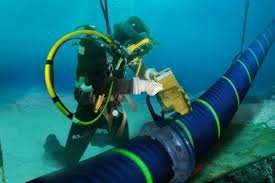
Subsea cables are the backbone of global connectivity and energy systems. They carry electricity and data across oceans, connecting countries, offshore platforms, and renewable energy sources. However, over time, these cables face wear and tear due to harsh underwater conditions. Replacing them can be extremely expensive and time-consuming. That is why many operators are now focusing on refurbishment techniques to extend cable life without full replacement.
This article explains how modern methods help extend the life of a Subsea Power cable in simple and practical terms.
Why Subsea Cables Degrade Over Time
Subsea cables operate in one of the most challenging environments on Earth. Several factors contribute to their degradation:
- Mechanical stress from ocean currents and seabed movement
- Corrosion due to saltwater exposure
- Thermal stress caused by continuous power transmission
- External damage from anchors, fishing gear, or natural events
Even with strong design and careful Subsea Cable Installation, these cables cannot last forever without maintenance. However, refurbishment can significantly delay the need for replacement.
Key Refurbishment Techniques
1. Advanced Cable Inspection and Monitoring
Modern inspection tools play a major role in extending cable life. Technologies such as remotely operated vehicles (ROVs) and autonomous underwater vehicles (AUVs) are used to inspect cables regularly.
These systems can:
- Detect insulation damage
- Identify hotspots
- Monitor cable positioning
Real-time monitoring systems also help operators take action before a small issue becomes a major failure.
2. Localized Repair Instead of Full Replacement
Instead of replacing an entire cable, engineers now focus on repairing only the damaged sections.
This process involves:
- Identifying the faulty segment
- Carefully lifting it to the surface
- Repairing or replacing that portion
- Reinstalling it on the seabed
This approach saves both time and cost while maintaining the efficiency of Subsea Power Transmission systems.
3. Cable Reburial and Protection
Over time, seabed movement can expose buried cables, making them vulnerable to damage. Reburial is a common refurbishment technique.
Specialized tools are used to:
- Dig trenches in the seabed
- Reposition and rebury the cable
- Add protective layers such as rock dumping
This method protects the cable from external threats and extends its operational life.
4. Thermal Upgrades and Load Management
Cables often degrade due to excessive heat generated during power transmission. Refurbishment can include thermal upgrades such as:
- Improving insulation materials
- Enhancing cooling through better seabed placement
- Managing load distribution to reduce overheating
By controlling temperature, operators can significantly increase the lifespan of existing systems.
5. Joint Replacement and Reinforcement
Cable joints are often the weakest points. Over time, they can fail due to stress and environmental factors.
Refurbishment techniques include:
- Replacing old joints with modern, high-strength versions
- Reinforcing joints with additional protective materials
This helps maintain system integrity without replacing the entire cable.
Case Study 1: North Sea Offshore Wind Project
In the North Sea, an offshore wind farm experienced performance issues due to aging cables. Instead of replacing the entire network, engineers used inspection tools to locate specific problem areas.
They performed localized repairs and reburied exposed sections. As a result:
- The project saved millions in replacement costs
- Cable life was extended by over 10 years
- Power transmission efficiency improved significantly
This case highlights how targeted refurbishment can deliver strong results.
Case Study 2: Mediterranean Interconnector Upgrade
A subsea interconnector in the Mediterranean faced insulation degradation after years of operation. Engineers chose to refurbish rather than replace.
The solution included:
- Upgrading insulation at critical points
- Replacing weak joints
- Installing monitoring systems
After refurbishment:
- System reliability increased
- Maintenance costs decreased
- The cable continued operating efficiently without full replacement
This demonstrates the value of combining multiple techniques for long-term benefits.
Benefits of Refurbishment Over Replacement
Choosing refurbishment offers several advantages:
- Cost savings: Replacement projects can be extremely expensive
- Reduced downtime: Repairs are faster than installing new cables
- Environmental benefits: Less disturbance to marine ecosystems
- Improved efficiency: Modern upgrades enhance performance
Refurbishment allows operators to get more value from their existing infrastructure.
Challenges to Consider
While refurbishment is effective, it also comes with challenges:
- Accessing deep-sea cables can be complex
- Accurate fault detection requires advanced technology
- Weather conditions can delay operations
Despite these challenges, the benefits often outweigh the difficulties.
The Future of Subsea Cable Refurbishment
With the growth of offshore renewable energy and global connectivity, the demand for reliable subsea systems is increasing. Future advancements may include:
- AI-based predictive maintenance
- Smarter monitoring systems
- More durable materials
These innovations will make it easier to maintain and extend cable life without replacement.
Conclusion
Extending the life of subsea cables without replacement is not only possible but also highly practical. Through techniques like inspection, localized repair, reburial, and thermal management, operators can maintain performance while reducing costs.
As technology continues to evolve, refurbishment will play an even more important role in supporting global energy and communication systems.
FAQs
1. What is subsea cable refurbishment?
Subsea cable refurbishment involves repairing, upgrading, or maintaining existing cables to extend their lifespan without replacing them entirely.
2. How long can refurbishment extend cable life?
Depending on the condition and techniques used, refurbishment can extend cable life by 5 to 15 years or more.
3. Is refurbishment cheaper than replacement?
Yes, refurbishment is usually much more cost-effective than full replacement, especially for long-distance cables.
4. What are the most common causes of cable damage?
Common causes include corrosion, mechanical stress, seabed movement, and external impacts like anchors or fishing equipment.
5. Can all subsea cables be refurbished?
Not all cables can be refurbished. The decision depends on the level of damage, age, and overall condition of the cable system.