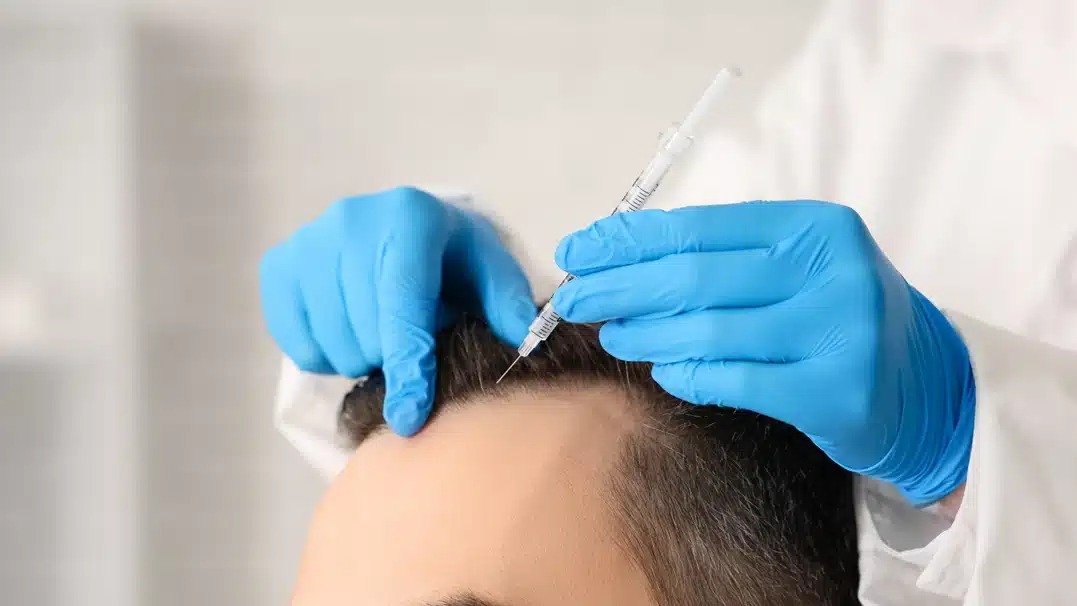
Scalp appearance can have a significant influence on how people perceive their overall look, particularly when thinning areas, a receding hairline, or visible scalp become more noticeable. While some individuals pursue surgical restoration, others prefer a non-surgical approach that focuses on creating the visual impression of greater density. Scalp Micropigmentation Dubai is one such option, using carefully placed pigment impressions to replicate the appearance of closely shaved follicles.
The treatment is designed around visual balance rather than actual hair growth. Tiny pigment deposits are placed within the scalp to create a follicle-like appearance, helping reduce the contrast between the scalp and existing hair. When performed carefully, the result can appear subtle and natural rather than resembling an obvious cosmetic tattoo.
Natural-looking results depend on several factors, including pigment selection, placement depth, hairline design, skin tone, existing density, and the pattern of hair loss. A qualified practitioner should assess these elements before treatment rather than applying a standard design to every patient.
In Dubai, individuals can find clinics offering aesthetic and hair-related services with different approaches to scalp pigmentation. The consultation stage is therefore important for understanding whether the procedure matches the person's expectations, appearance goals, and existing scalp condition.
What Makes Scalp Micropigmentation Look Natural?
A convincing result depends on creating the visual characteristics of real follicles. Pigment impressions that are too large, too dark, too uniform, or placed at inconsistent depths may produce an artificial appearance.
Practitioners generally consider the patient's natural hair characteristics when developing a treatment plan. Hairline shape is particularly important. A sharply drawn or overly low hairline may look less realistic, while a softer transition can better imitate naturally occurring follicular patterns.
Density should also be considered. Someone with significant thinning may require a different approach from someone who simply wants to make mild scalp visibility less noticeable. The objective is usually to create visual continuity between pigmented areas and the person's remaining hair.
Dubai Cosmetic Surgery Clinic
Dubai Cosmetic Surgery Clinic provides cosmetic and aesthetic services, with treatment planning generally focused on the individual's appearance and desired outcome. For people considering scalp pigmentation, a consultation can help establish whether a non-surgical camouflage technique is appropriate for their particular pattern of thinning.
When evaluating Scalp Micropigmentation Dubai, patients should ask how pigment shades are selected, how the hairline is designed, and how existing hair density is taken into account. These details can have a considerable effect on the final appearance.
Enfield Royal Clinic
At Enfield Royal Clinic, scalp pigmentation can be considered as part of a personalized approach to improving the visual appearance of thinning or exposed scalp areas. The consultation stage is important because the treatment design needs to reflect factors such as hairline characteristics, scalp tone, existing follicle visibility, and the degree of hair loss.
For Scalp Micropigmentation Dubai, natural results depend on controlled pigment placement rather than simply increasing pigment density. A carefully planned hairline and gradual transition can help maintain a realistic appearance. Patients can also discuss their preferred level of visual coverage and understand what the procedure can realistically achieve before proceeding.
The clinic-based consultation should also address aftercare, possible touch-ups, expected pigment changes over time, and whether another hair restoration option may be more suitable.
Al Zahra Hospital Dubai
Al Zahra Hospital Dubai provides a broad range of medical services and may be considered by individuals seeking professional healthcare environments for aesthetic or dermatological concerns. For anyone exploring scalp pigmentation, the key consideration should be whether the specific service is provided by an appropriately trained practitioner and whether an individual assessment is available.
A detailed evaluation can help distinguish cosmetic scalp camouflage from treatments intended to stimulate or restore actual hair growth. This distinction is important when establishing realistic expectations.
Tajmeels Clinic
Tajmeels Clinic offers cosmetic treatment services and can be considered when researching options for improving scalp appearance. During a consultation, patients should discuss their existing hair pattern, preferred appearance, and the level of coverage they hope to achieve.
With scalp pigmentation, personalization matters because skin tone, follicle contrast, hair length, and hairline structure vary considerably between individuals. A treatment plan developed around these characteristics can help support a more balanced appearance.
King’s College Hospital London Dubai
King’s College Hospital London Dubai provides specialist healthcare services within a hospital setting. Individuals investigating cosmetic solutions for visible scalp may benefit from discussing the underlying reason for hair loss or thinning before choosing a camouflage procedure.
Understanding whether the concern relates to hereditary thinning, scarring, a dermatological condition, or another cause can influence the suitability of different approaches. A medical assessment may therefore be useful where the cause of scalp changes is uncertain.
Dynamic Life Clinic
Dynamic Life Clinic is another option individuals may research when exploring aesthetic services in Dubai. Patients considering scalp pigmentation should focus on the practitioner performing the procedure, their relevant training, the equipment used, and the consultation process rather than choosing a service based solely on promotional photographs.
Before treatment, it is useful to ask how the practitioner approaches hairline design, pigment matching, treatment sessions, aftercare, and potential maintenance requirements.
Cocoona Clinic
Cocoona Clinic provides aesthetic and cosmetic healthcare services in Dubai. For people interested in scalp camouflage, the consultation should establish whether the desired appearance can realistically be achieved through pigmentation and how the treatment would complement any remaining natural hair.
Patients should also understand that scalp pigmentation does not create new follicles. Instead, it changes the visual contrast between the scalp and surrounding hair, which can make thinning areas appear less prominent.
Emirates Hospital
Emirates Hospital offers a range of healthcare services, making it another healthcare provider patients may investigate when considering concerns associated with hair and scalp appearance. Anyone considering pigmentation should determine whether the specific treatment is appropriate for their scalp condition and cosmetic objectives.
A professional consultation should cover potential contraindications, skin sensitivity, existing scalp conditions, aftercare, and the expected evolution of pigment over time.
How to Choose the Right Clinic for Scalp Micropigmentation Dubai
Experience and Qualifications
Look for a practitioner with relevant training and practical experience in scalp pigmentation. Ask about their approach to different hair-loss patterns and whether they have experience working with a range of skin tones and hair characteristics.
Technology and Techniques
The technique used for pigment placement can influence the appearance of individual impressions. Discuss the equipment, pigment formulation, needle configuration, and approach to creating realistic follicular patterns.
Safety Standards
The procedure involves breaking the skin, so hygiene and infection-control practices are important. The clinic should use appropriate sterile equipment and provide clear information about preparation and aftercare.
Consultation Process
A thorough consultation should address your existing hair pattern, scalp condition, desired hairline, expectations, and suitability for treatment. Be cautious of consultations that promise identical outcomes for every patient.
Patient Experience
A suitable provider should give patients enough time to ask questions and understand the treatment process. Clear communication about discomfort, healing, maintenance, and potential pigment changes is an important part of informed decision-making.
Expected Results
Scalp pigmentation can create the appearance of increased density, but it does not restore biological hair growth. Discuss the expected visual effect, number of sessions, healing period, and potential need for future maintenance before treatment.
Frequently Asked Questions
Does Scalp Micropigmentation create real hair growth?
No. The procedure is a cosmetic camouflage technique. It uses pigment to imitate the appearance of hair follicles but does not generate new hair follicles or stimulate biological hair growth.
How long does scalp pigmentation usually take?
Treatment time varies according to the size of the area, degree of thinning, desired density, and treatment plan. Multiple sessions may be recommended to build the appearance gradually.
Can the treatment look natural on a completely bald scalp?
It can create a closely shaved follicle effect when appropriately planned. The final appearance depends on factors such as pigment selection, skin characteristics, hairline design, and practitioner technique.
Is scalp pigmentation permanent?
The pigment is designed to remain for an extended period, but it can gradually change in appearance and may require maintenance. Longevity varies between individuals depending on skin characteristics, exposure, lifestyle, and other factors.
Can people with existing hair use scalp pigmentation?
Yes, depending on the individual's circumstances. It may be used to reduce the visual contrast created by thinning areas and help existing hair appear visually denser. A consultation is necessary to determine whether the approach is suitable.
Conclusion
Natural-looking scalp pigmentation is largely dependent on subtle design, controlled pigment placement, appropriate colour selection, and realistic expectations. Rather than simply covering visible scalp, the procedure should take the individual's hairline, skin characteristics, existing density, and pattern of thinning into account.
Anyone considering Scalp Micropigmentation should compare practitioner experience, consultation standards, safety procedures, treatment techniques, and aftercare support before making a decision. A detailed assessment can also clarify whether scalp pigmentation is appropriate or whether another hair-restoration approach better addresses the underlying concern.