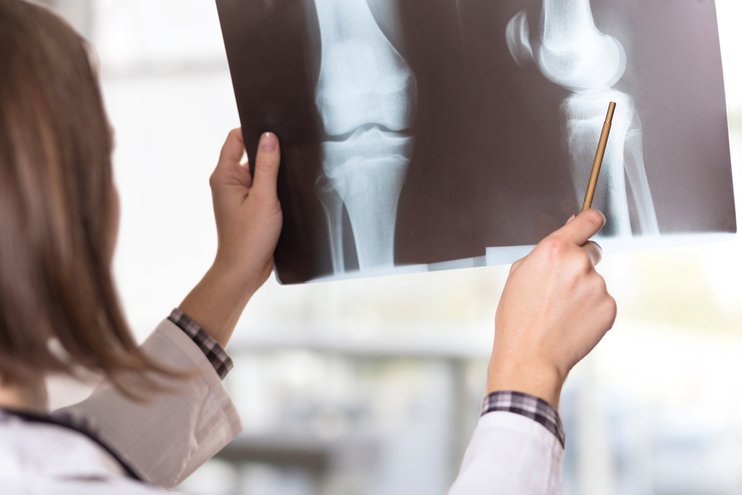
The anterior cruciate ligament (ACL) is one of the key stabilizing ligaments in your knee. It prevents the tibia from sliding forward and helps control rotational movements. ACL injuries are common, especially among athletes who participate in soccer, basketball, skiing, or other high-impact sports.
Statistics show that around 200,000 ACL injuries occur in the United States every year, highlighting how common this problem can be. Left untreated, a torn ACL can lead to chronic instability, difficulty in daily activities, and even early arthritis.
ACL reconstruction surgery offers a solution, helping patients regain stability, confidence, and an active lifestyle.
What Causes ACL Injuries?
ACL injuries usually happen during sudden movements, such as:
- Rapid changes in direction
- Stopping abruptly
- Landing incorrectly from a jump
- Direct trauma to the knee
Women are also at higher risk for ACL injuries in sports, with studies suggesting they are 2–8 times more likely than men to experience an ACL tear in comparable sports activities.
Symptoms of an ACL Tear
Recognizing an ACL tear early is essential. Common symptoms include:
- A “popping” sound at the time of injury
- Severe pain and swelling within hours
- Knee instability, feeling like it may “give way”
- Difficulty in walking or bearing weight
If you experience these symptoms, a proper evaluation by an experienced orthopaedic surgeon in Perth is crucial for accurate diagnosis and treatment planning.
Diagnosis: How Doctors Confirm an ACL Injury
Diagnosis usually starts with a physical examination to test knee stability. Your doctor may check for:
- Lachman test
- Pivot shift test
- Anterior drawer test
An MRI scan is often ordered to confirm the tear and to check for associated injuries such as meniscus tears or cartilage damage.
ACL Reconstruction Surgery: What You Need to Know
Why Surgery Is Needed
Not all ACL tears require surgery. Mild or partial tears may be managed with physical therapy and bracing.
However, surgery is often recommended for:
- Patients wanting to return to sports or high-impact activities
- Those with chronic instability
- People with other knee injuries requiring repair
ACL reconstruction is highly effective, with studies showing success rates exceeding 90% for restoring knee stability.
Types of ACL Grafts
During surgery, the torn ACL is replaced with a graft. Common graft types include:
- Autograft – tissue taken from your own body, usually the patellar tendon, hamstring tendon, or quadriceps tendon.
- Allograft – tissue obtained from a donor, often used for older patients or those with lower activity demands.
The choice of graft depends on age, activity level, and surgeon preference.
The Surgical Procedure
ACL reconstruction is typically done arthroscopically, meaning small incisions are used instead of a large open surgery.
- The damaged ACL is removed.
- The graft is placed and secured with screws or other fixation devices.
- The surgery usually lasts 1–2 hours.
Patients are often discharged on the same day or after a short hospital stay.
Recovery and Rehabilitation
Recovery is a gradual process that requires dedication and patience.
Phase 1: Immediate Post-Op
- Focus on pain and swelling management
- Use R.I.C.E. (Rest, Ice, Compression, Elevation)
- Start gentle range-of-motion exercises
Phase 2: Early Rehabilitation
- Increase knee mobility
- Begin light strengthening exercises for the quadriceps and hamstrings
- Maintain patience and consistency
Phase 3: Strengthening
- Focus on leg strength and stability
- Begin low-impact activities such as cycling or swimming
- Work on balance and proprioception
Phase 4: Return to Sports
- Full return to sports usually occurs at 9–12 months, depending on recovery
- Your surgeon and physiotherapist will assess readiness through functional tests
Risks and Complications
Although ACL reconstruction is generally safe, there are some risks:
- Infection – rare but possible with any surgery
- Graft failure – the new ACL may not heal properly
- Knee stiffness or reduced range of motion
- Re-injury – especially if returning to sports too early
Studies show that returning to high-impact sports before 9 months increases the risk of re-injury sevenfold.
Long-Term Outlook
Most patients experience:
- Significant pain reduction
- Restored stability in the knee
- Return to sports and daily activities
Long-term knee health depends on continued strengthening and flexibility exercises, even after completing formal rehabilitation.
Finding the Right Surgeon
ACL reconstruction is a precise procedure that requires expertise. Consulting with a qualified orthopaedic surgeon Perth ensures you receive a personalized treatment plan and guidance for rehabilitation.
For residents of Perth and surrounding areas, a trusted specialist in knee injuries can provide expert care for ACL reconstruction and other orthopaedic procedures.
Preventing ACL Injuries
Even after surgery, prevention is key. Strategies include:
- Strengthening hamstrings, quadriceps, and core muscles
- Improving balance and proprioception
- Using proper techniques during sports and workouts
- Wearing appropriate footwear
Programs designed for athletes, especially women, have been shown to reduce ACL injuries by up to 50%.
FAQs
Q1: How long will I be on crutches?
Most patients use crutches for 1–2 weeks after surgery.
Q2: Can I drive after ACL reconstruction?
Driving is generally not safe until you can bend and control your leg comfortably.
Q3: Is ACL reconstruction painful?
Pain is typically manageable with medication and physical therapy, and most patients experience improvement within a few days.
Q4: Can I return to a professional sports career?
Yes, with proper rehab, many athletes return to high-level performance.
Q5: What’s the success rate of ACL surgery?
Studies indicate a 90–95% success rate in restoring knee stability.
Conclusion
In conclusion, ACL reconstruction surgery is a highly effective treatment for restoring knee stability and enabling patients to return to their active lifestyles. With careful evaluation, expert surgical care, and a dedicated rehabilitation program, most individuals regain full function and reduce the risk of future injuries, ensuring long-term knee health and improved quality of life.
Tags : .....