Estate Planning Trends Strengthening Personal Control Legacy Protection in 2026!
By Florida taxlawyer 26-01-2026 35
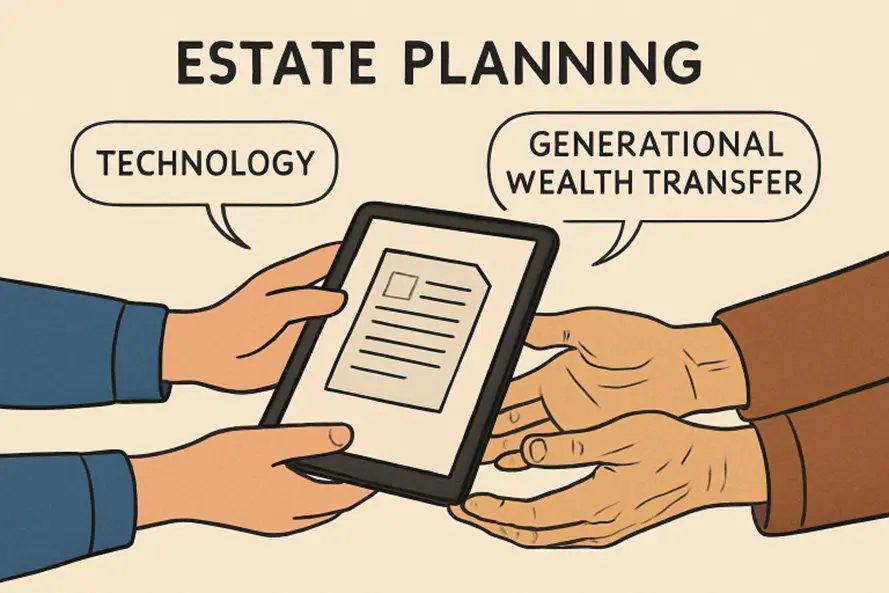
In 2026, estate planning has become a cornerstone of personal and financial security rather than a task reserved for later stages of life. Rapid legal updates, economic uncertainty, and evolving family dynamics are encouraging individuals to take a proactive approach to protecting their wishes and maintaining control over important decisions. Modern estate planning is no longer static; it is adaptive, strategic, and deeply connected to personal autonomy.
A key trend shaping estate planning this year is the emphasis on clarity and authority. People want assurance that their intentions will be respected, their assets handled efficiently, and their affairs managed smoothly if circumstances change. This focus on control is redefining how legal professionals structure planning strategies and advise clients.
Estate Planning as a Proactive Life Strategy
In 2026, estate planning is viewed as an ongoing life strategy rather than a one-time legal event. Professionals, business owners, and families are engaging earlier to reduce uncertainty and avoid future disputes. Early planning allows individuals to account for property ownership, evolving relationships, and long-term objectives in a thoughtful and organized way.
This proactive mindset reduces stress for loved ones and minimizes the likelihood of court involvement. Well-structured plans provide guidance during both predictable life transitions and unexpected events, ensuring continuity and stability.
The Continued Importance of Wills
Wills remain a foundational element of estate planning, but their role has expanded in recent years. Beyond asset distribution, wills now communicate intent, appoint trusted representatives, and establish a clear framework for administration. Precision and compliance are critical, as outdated or vague documents can lead to delays and disputes.
Working with a Will Lawyer ensures that testamentary documents are drafted in accordance with current legal standards while reflecting personal priorities. Professional guidance helps address nuances such as blended families, business interests, and digital assets, all of which are increasingly relevant in 2026.
Authority Planning and Personal Autonomy
Another defining trend is the growing focus on authority planning. Individuals want to decide who can act on their behalf and under what conditions, rather than leaving those decisions to default legal processes. Authority planning supports personal autonomy and reduces uncertainty during periods of incapacity.
A Durable Power Of Attorney plays a vital role in this framework by allowing trusted individuals to manage financial or legal matters if the principal becomes unable to do so. When properly structured, this tool ensures continuity while respecting personal boundaries and preferences.
Customization Over Standardization
Generic templates are rapidly being replaced by customized estate planning solutions. Families today have diverse structures, assets, and goals that require tailored legal frameworks. Customization improves clarity, strengthens enforceability, and aligns planning documents with real-life circumstances.
Legal professionals in 2026 emphasize adaptability, designing plans that can evolve without triggering unintended consequences. This flexibility allows individuals to update documents as laws change or as life events such as marriage, relocation, or business expansion occur.
Economic Uncertainty and Risk Management
Economic volatility continues to influence planning decisions. Inflation, market fluctuations, and shifting business conditions have heightened awareness around risk management. Estate plans now incorporate strategies designed to protect value under varying economic scenarios.
Collaboration between legal and financial professionals has become standard practice. This integrated approach ensures that planning strategies balance growth opportunities with protective measures, supporting long-term resilience and stability.
Decision-Making During Incapacity
Planning for incapacity is a central concern in 2026. Individuals want reassurance that their affairs will be handled efficiently without unnecessary legal intervention. Clear authority structures reduce delays and prevent conflicts during critical periods.
A second application of a Durable Power Of Attorney can be particularly effective when individuals want to ensure continuity across multiple financial or business interests. Proper drafting and coordination with other planning documents are essential to avoid gaps or overlapping authority.
Regional Compliance and Legal Precision
While estate planning principles are broadly applicable, state-specific laws play a major role in execution and enforcement. Compliance with local regulations ensures documents are valid and effective when implemented.
Professionals stay current with regional requirements to help clients avoid technical errors that could undermine their plans. This attention to detail enhances efficiency and reduces the likelihood of challenges during administration.
Education and Transparency in Planning
Education has emerged as a critical component of effective estate planning. Clients who understand how their documents work are better equipped to maintain compliance and recognize when updates are necessary. Legal professionals now prioritize clear explanations and transparent processes.
Well-informed individuals are more confident in their plans and more likely to keep them current. Transparency also strengthens the defensibility of estate planning documents by clearly documenting intent and authority.
Ongoing Review as Best Practice
In 2026, estate planning is recognized as an evolving process. Laws change, assets grow, and personal circumstances shift over time. Regular reviews ensure documents remain aligned with current goals and legal requirements.
Annual check-ins or reviews following major life events help identify gaps and make timely adjustments. This proactive maintenance reduces surprises and supports smoother transitions for beneficiaries.
Professional Guidance and Long-Term Confidence
Engaging a Will Lawyer provides individuals with confidence that their planning strategy is both compliant and effective. Professional insight helps navigate complexity, address unique situations, and integrate planning tools into a cohesive framework.
When estate planning is approached thoughtfully, it becomes a powerful tool for preserving autonomy, protecting loved ones, and maintaining peace of mind. The trends shaping 2026 highlight the value of proactive planning, clear authority, and ongoing engagement in securing a stable and confident future.
Tags : tax lawyer estate planning will lawyer