Planning a journey to Japan is an exciting experience—whether it’s cherry blossoms, advanced cities, ancient temples, or unique food culture drawing you in. But before booking flights or planning itineraries, one important step deserves your full attention: paperwork. Having the right documents ready ensures a smooth travel approval process and helps you avoid last-minute stress or delays.
For Indian travelers applying for a Tourist visa for Japan from India, understanding documentation requirements early can make the entire experience far more relaxed and predictable. This guide explains every essential document you need, in clear and simple terms, so you can prepare confidently.
1. Valid Passport
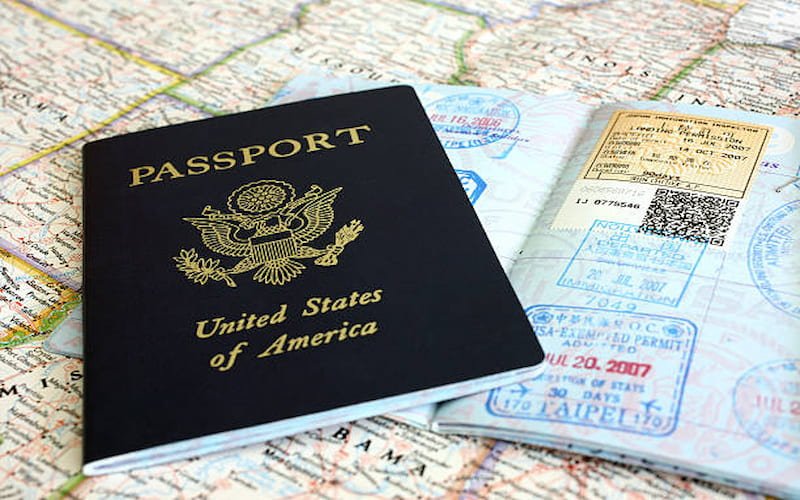
Your passport is the most important document for international travel. Before planning your Japan trip, make sure:
- Your passport is valid for at least six months beyond your travel dates
- It has at least two blank pages for stamps
- It is in good physical condition (no torn pages or damage)
If your passport is close to expiry, renew it before starting the application process to avoid complications.
2. Completed Application Form
You’ll need to fill out the official application form accurately and honestly. Every detail—name spelling, passport number, travel dates—must match your supporting documents. Even small errors or overwriting can lead to delays.
Tips for accuracy:
- Use capital letters where required
- Avoid leaving blank fields
- Double-check dates and personal details
3. Recent Passport-Size Photographs
Photographs must meet specific standards. While requirements may seem simple, incorrect photo size or background is a common reason for resubmission.
General photo guidelines include:
- White background
- Clear facial visibility
- No shadows, glare, or head coverings (unless for religious reasons)
- Recent photo (taken within the last 6 months)
4. Travel Itinerary
A clear travel plan shows the purpose and structure of your visit. This doesn’t mean confirmed bookings everywhere, but a well-planned outline helps authorities understand your trip.
Your itinerary should include:
Planned arrival and departure dates
Cities you intend to visit
Major attractions or experiences
A day-wise or city-wise itinerary works best.
5. Flight Reservation Details
You’ll need proof of onward and return travel. In most cases, confirmed tickets are not mandatory, but a flight reservation showing intended travel dates is essential.
Make sure the names and dates on your flight reservation match your application form exactly.
6. Proof of Accommodation
Accommodation details show where you’ll stay during your visit. Acceptable documents include:
Hotel booking confirmations
Invitation letter from a host (if staying with friends or relatives)
If your stay involves multiple cities, include bookings or details for each location.
7. Financial Proof
You must show that you can support yourself financially throughout your stay. This assures authorities that you won’t face difficulties during your trip.
Commonly accepted financial documents include:
Bank statements for the last 6 months
Salary slips or income proof
Income tax returns (if available)
Ensure your statements show sufficient balance and regular transactions.
8. Employment or Business Proof
Your professional background helps establish strong travel intent and return assurance.
Depending on your status, you may need:
Employment letter from your company
Leave approval letter
Business registration documents (for self-employed applicants)
Student ID and letter from educational institution (for students)
These documents should clearly mention your role and approval for travel.
9. Cover Letter Explaining Your Trip
A cover letter is your opportunity to explain your travel purpose in your own words. It should be short, honest, and well-structured.
Include:
Reason for travel
Travel dates
Who will bear expenses
Assurance of return to India
A clear and polite tone works best.
10. Invitation Letter (If Applicable)
If you’re visiting family, friends, or attending meetings, an invitation letter may be required. This letter should include:
Host’s details and address
Relationship with the applicant
Duration and purpose of stay
In some cases, additional documents from the inviter may also be requested.
11. Travel Insurance (Recommended)
While not always compulsory, travel insurance is strongly recommended. It protects you against unexpected medical expenses, trip cancellations, or emergencies during your stay.
Choose a policy that covers:
Medical treatment
Emergency hospitalization
Travel-related risks
Final Thoughts
Preparing your paperwork well in advance is the smartest way to start planning your Japan trip. When documents are accurate, complete, and well-organized, the entire process becomes smoother and stress-free.
By understanding and arranging these essentials early, you can focus on the exciting part—exploring Japan’s culture, cuisine, and unforgettable experiences—with confidence and peace of mind.
Tags : .....