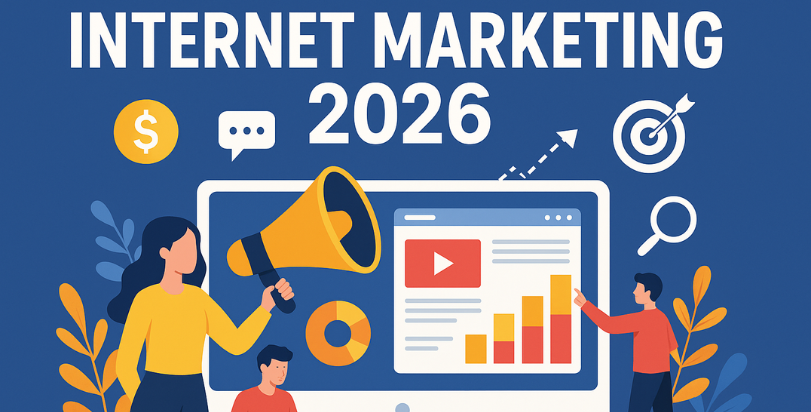
In 2026, local marketing services are no longer optional. They are essential for businesses that want to grow. With digital ads expected to reach $1.5 trillion worldwide, competition is fierce. Local strategies give small and mid-sized businesses a way to stand out. They help companies connect with nearby customers, build trust, and create repeat buyers. All of this leads to higher sales and stronger loyalty.
So how are local marketing services making this happen? Let’s explore the key drivers behind this growth.
The Shift Toward Localized Digital Campaigns
Today’s consumers expect brands to understand their immediate needs. According to Google research, 46% of all searches are looking for local information, and this trend has grown stronger by 2026 as voice search, AI assistants, and mobile-first browsing dominate the market. Businesses that invest in internet marketing services tailored to specific neighborhoods, cities, or regions are finding their sales pipelines consistently stronger.
For example, a Bay Area coffee chain running a “near me” campaign in Google Ads now reaches potential buyers in real time when they are searching for coffee shops within a mile. These localized efforts outperform generic ads because they capture purchase intent at the exact decision-making moment.
Building Trust Through Community-Centric Content
Customers are drawn to businesses that share their values. Local marketing services help brands tell their stories in ways that connect with the community. Campaigns highlight local partnerships, events, or sustainability projects.
Take a small fitness studio in San Francisco. By sharing customer stories and sponsoring neighborhood wellness events, the studio becomes part of the c
Data-Driven Personalization at the Local Level
Another reason local marketing services are highly effective in 2026 is the advancement of data-driven personalization. Affordable internet marketing tools now provide access to hyper-local analytics—demographics, buying habits, and even seasonal shopping trends.
Take the example of a retail clothing store. Instead of pushing the same ad to all customers, marketers can now segment audiences based on location and climate. Winter jackets can be promoted in colder areas while lightweight spring wear is advertised in coastal towns. This tailored approach ensures higher conversion rates because campaigns feel highly relevant.
Additionally, integrating loyalty programs with digital ads makes personalization even stronger. Customers receiving special offers based on their zip codes or previous purchases are far more likely to complete transactions.
Leveraging Mobile and Voice Search Optimization
By 2026, 70% of mobile users perform at least one local search per week. Local Internet Marketing Services make sure websites load quickly, look great on smartphones, and rank well on local SEO.
Voice search is also shaping buying habits. Shoppers say things like “affordable plumber in San Jose” or “best pizza near me.” Businesses that optimize for these conversational queries are rewarded with more phone calls, map clicks, and visits.
The Power of Hybrid Marketing Strategies
Modern local marketing isn’t just about digital channels it’s about blending online and offline efforts into one cohesive system. Hybrid Application Experts play a major role here, as businesses integrate apps with location-based promotions and loyalty rewards.
Imagine a local grocery store using push notifications through its mobile app to alert nearby customers of same-day discounts on fresh produce. At the same time, the store runs a geo-targeted ad campaign on social media. The combined effect creates urgency, increases foot traffic, and improves overall sales performance.
By merging physical presence with digital engagement, businesses establish a seamless buying journey, ensuring customers remain connected across all platforms.
Enhancing Customer Experience with Local SEO
Local SEO remains a cornerstone of sales growth in 2026. Companies investing in internet marketing services are prioritizing optimized Google Business listings, customer reviews, and localized landing pages. Statistics show that businesses with well-optimized local SEO profiles enjoy over 300% higher engagement rates compared to those without.
Consider a Bay Area internet marketing agency that helps restaurants optimize their search presence. By ensuring accurate addresses, updating menus online, and responding to customer reviews, these restaurants see increased reservations and repeat visits.
This small but critical focus on SEO helps businesses secure consistent foot traffic and higher revenue year-round.
Social Media and Influencer Collaborations
Social media platforms have also evolved into powerful sales drivers for local businesses. In 2026, localized influencer marketing is thriving. Micro-influencers with small but highly engaged audiences often deliver better ROI than larger accounts.
For example, a boutique shop in Oakland collaborating with a local fashion influencer can see a significant rise in sales within weeks. The influencer’s content resonates with followers who live nearby and are more likely to purchase. Local marketing services are tapping into these partnerships strategically, aligning businesses with voices that customers already trust.
Measurable ROI and Continuous Improvement
Finally, one of the biggest strengths of local marketing services is measurability. Businesses now have access to dashboards that track conversions from phone calls, map clicks, foot traffic, and online purchases. This real-time visibility allows constant optimization of campaigns.
For instance, if a restaurant notices that Tuesday night promotions lead to fewer reservations compared to Friday nights, they can shift their ad spend accordingly. This kind of agile, data-informed adjustment ensures businesses maximize sales potential at every step.
Conclusion
Local internet marketing services are the backbone of business growth in 2026. They combine personalization, mobile-first strategies, hybrid apps, and local SEO to create consistent sales. From cafés to retail shops and fitness studios, businesses that embrace these services are seeing strong revenue growth and deeper customer loyalty.
Companies like ESP Inspire continue to show how digital-first strategies transform local engagement into real sales. For businesses aiming to grow this year, the message is clear—local marketing is not just a strategy, it is the future of sales success.