Ensuring Long-Term Reliability Through Access Control System Maintenance
By flap barrier 01-05-2026 512
When Systems Fail at the Worst Time
In high-traffic environments, access control systems are expected to operate continuously without failure. However, many organizations only recognize the importance of maintenance when systems begin to fail—often during peak operations.
In high-traffic facilities, even a few minutes of system downtime can disrupt operations, create congestion, and impact overall productivity. Unexpected breakdowns at entry points can cause delays, disrupt workflows, and create operational bottlenecks.
This highlights a critical reality: system reliability is not just about installation—it is about ongoing performance management.
Why Access Control Systems Fail Over Time
Even the most advanced systems are subject to wear and environmental stress. Without regular maintenance, performance gradually declines.
Common causes of system failure include:
- Mechanical wear in moving components
- Sensor misalignment or degradation
- Software inconsistencies or delayed updates
- Power supply instability or backup failure
Industry observations show that lack of preventive maintenance is one of the leading causes of access control system failure in high-usage environments.
Preventive Maintenance as a Reliability Strategy
Rather than reacting to failures, organizations should adopt a preventive maintenance approach. This involves regular inspection, testing, and servicing to ensure consistent performance.
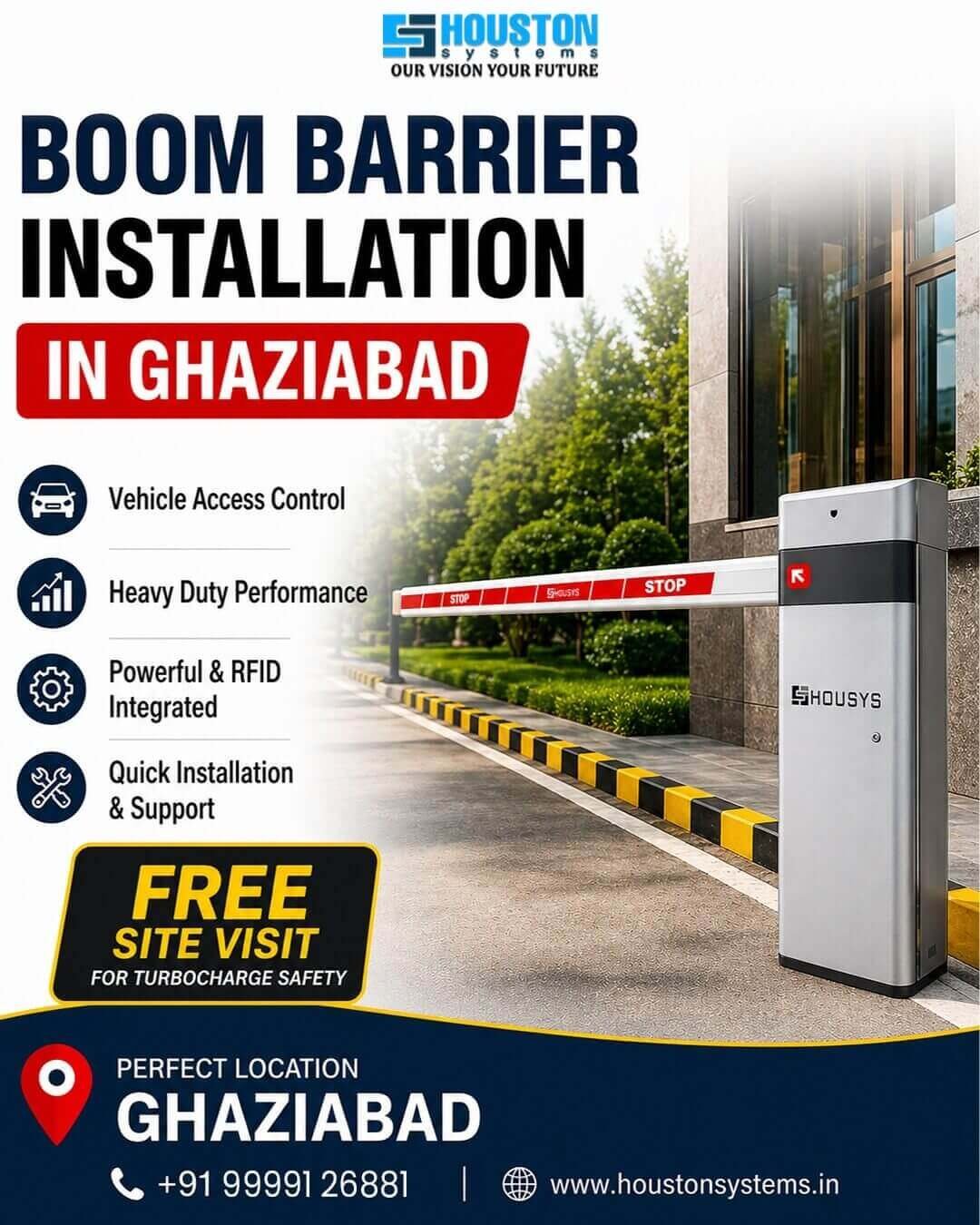
A critical aspect of this approach is maintaining boom barrier systems for long-term performance, ensuring that both mechanical and electronic components operate efficiently.
Preventive maintenance helps:
- Reduce unexpected system downtime
- Improve operational consistency
- Extend equipment lifespan
- Minimize emergency repair costs
Regular inspection cycles—typically every 3 to 6 months in high-traffic environments—can significantly improve system uptime and reduce unexpected failures.
Mechanical vs Electronic Maintenance: Understanding the Difference
A comprehensive maintenance strategy must address both mechanical and electronic components.
Mechanical maintenance focuses on:
- Moving parts such as barrier arms and motors
- Lubrication and wear management
- Alignment and structural integrity
Electronic maintenance includes:
- Sensor calibration and accuracy
- Software updates and system optimization
- Connectivity and control panel diagnostics
Balancing both aspects ensures that the system performs reliably under all conditions.
Real-World Scenario: Stabilizing Operations Through Maintenance
Consider an industrial facility experiencing recurring system failures during peak hours. The absence of a structured maintenance plan led to unpredictable performance and operational disruptions.
Before maintenance optimization:
- Frequent breakdowns during high traffic
- Increased repair costs
- Inconsistent system performance
After implementing a preventive maintenance strategy:
- System uptime improved significantly
- Downtime reduced to minimal levels
- Maintenance became predictable and controlled
- Overall operational stability increased
This shift demonstrates how maintenance directly impacts system reliability and efficiency.
Maintenance Checklist for High-Performance Systems
To ensure consistent performance, organizations should follow a structured maintenance checklist:
- Schedule regular system inspections
- Monitor performance metrics and alerts
- Replace worn or damaged components promptly
- Update software and control systems regularly
- Test backup systems and fail-safe mechanisms
A checklist-driven approach ensures that maintenance activities remain consistent and effective.
The Impact of Maintenance on Operational Continuity
Reliable access control systems are essential for maintaining operational continuity. Even short disruptions at entry points can create cascading delays across operations.
Maintenance supports:
- Continuous system availability
- Predictable system behavior
- Reduced operational risk
- Improved traffic management stability
Industry best practices consistently highlight preventive maintenance as a key factor in ensuring long-term system reliability and operational continuity.
Conclusion
Access control systems are long-term operational assets, and their reliability depends on consistent maintenance. Without a structured maintenance approach, systems are more likely to fail under pressure.
Preventive maintenance ensures that systems remain efficient, reliable, and capable of handling high traffic demands.
For organizations aiming to maintain uninterrupted operations and long-term performance, maintenance is not optional—it is a strategic necessity.