Emerging Trends in Automated Vehicle Access and Infrastructure Automation
By Boom Barrier 29-05-2026 238
Access Infrastructure Is Quietly Becoming More Intelligent
The role of vehicle access systems is changing.
Not long ago, most organizations viewed access infrastructure primarily as a way to regulate entry and exit points. Today, the expectations are far different. Facilities are under pressure to handle larger vehicle volumes, support expanding operations, and respond more quickly to changing traffic conditions.
As commercial campuses, logistics facilities, industrial sites, and mixed-use developments become more complex, access infrastructure is evolving from a control mechanism into a decision-support tool.
The focus is shifting away from simply restricting movement and toward helping infrastructure operate more efficiently.
What's Driving These Changes?
Several operational realities are accelerating the adoption of infrastructure automation.
Vehicle movement is becoming less predictable. Delivery schedules fluctuate throughout the day. Employee shift transitions create concentrated traffic spikes. Visitor activity can vary significantly between locations and operational periods.
At the same time, facilities are expected to maintain efficiency without continuously increasing staffing requirements.
These pressures are forcing infrastructure teams to look beyond traditional access management and adopt systems capable of supporting faster decisions, better movement management, and improved long-term planning.
From Reactive Management to Continuous Infrastructure Awareness
One of the most noticeable shifts across the industry is the move toward continuous infrastructure awareness.
In the past, operators often relied on reports generated after operational issues had already occurred.
Today, facilities increasingly depend on live monitoring insight to understand:
- Vehicle distribution patterns
- Congestion development
- Access-point utilization
- Infrastructure performance trends
The advantage is not simply having more information.
It is having the ability to identify developing issues before they begin affecting daily operations.
Why Isolated Systems Are Gradually Disappearing
Access technologies rarely operate alone anymore.
Traffic management platforms, facility monitoring tools, security systems, and operational dashboards are increasingly expected to work together.
This shift is creating a new infrastructure model where information flows across multiple operational functions rather than remaining confined within individual systems.
As a result, infrastructure teams gain better awareness of how activity in one area affects performance elsewhere.
For facilities managing multiple locations or access zones, this broader perspective is becoming increasingly valuable.
Operational Reality: Where Pressure Usually Appears First
The effects of growing operational complexity often become visible long before major infrastructure expansion projects begin.
Common examples include:
- Logistics gate congestion during delivery surges
- Visitor processing bottlenecks at commercial facilities
- Shift-change traffic spikes near employee access points
- Vehicle build-up around loading and service areas
- Coordination challenges between multiple facility entrances
These issues may appear unrelated at first, but they often reveal the same underlying challenge: infrastructure systems struggling to adapt to changing operational demands.
A Different Approach to Expansion Readiness
Future-focused facilities are placing greater emphasis on adaptability rather than fixed infrastructure planning.
Instead of building systems around current traffic volumes alone, organizations increasingly prepare for:
- New operational zones
- Additional access points
- Higher vehicle activity
- Multi-site coordination requirements
This approach reduces the need for repeated infrastructure redesign as facilities evolve.
Traditional Infrastructure vs Modern Automation Strategies
The difference is less about technology itself and more about how infrastructure responds to change.
Smarter Vehicle Processing Is Becoming the Standard
Another major industry shift involves how vehicles are processed and distributed across facilities.
A growing number of organizations are adopting technologies capable of supporting faster verification, improved flow balancing, and more efficient movement management.
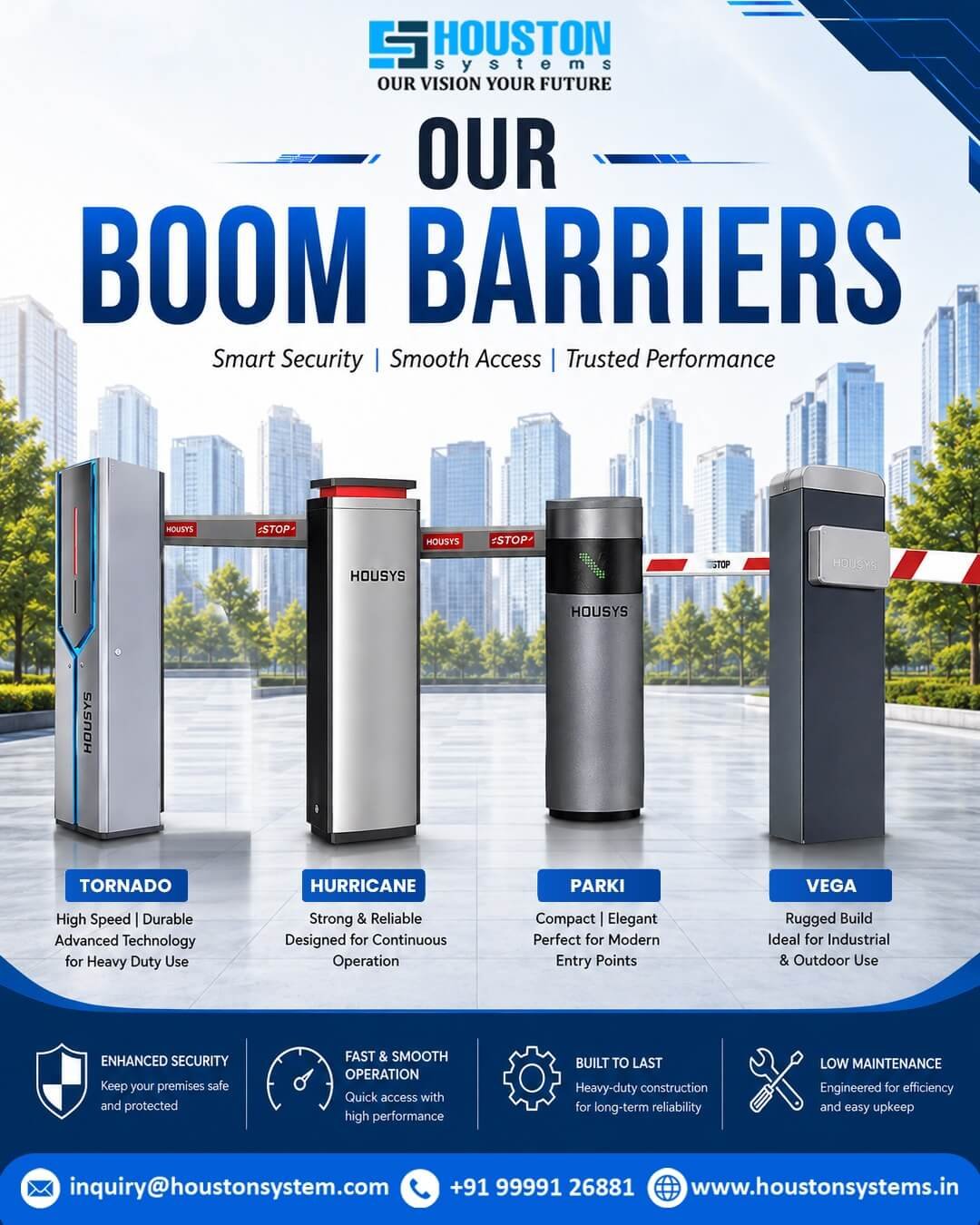
One example is the use of advanced boom barrier automation for intelligent infrastructure operations, which combines physical access control with automated infrastructure management capabilities.
These systems help improve:
- Vehicle throughput efficiency
- Flow balancing between access zones
- Infrastructure responsiveness
- Consistency during peak operational periods
The emphasis is increasingly on maintaining smooth operations rather than simply controlling entry.
Mini Scenario: Preparing for Growth Before Problems Appear
Consider a commercial campus planning to add new parking areas, delivery facilities, and employee workspaces over the next several years.
Waiting until congestion appears would likely create operational disruption and expensive infrastructure adjustments.
Instead, the organization implements automation-focused access infrastructure before expansion begins.
As activity increases:
- Vehicle movement remains easier to manage
- Delivery coordination becomes more predictable
- Multiple access points operate more consistently
- Growth creates fewer operational bottlenecks
The result is infrastructure that adapts alongside facility development rather than struggling to catch up.
Why These Changes Matter Beyond Access Control
The significance of these trends extends far beyond vehicle entry management.
Access infrastructure now influences:
- Facility efficiency
- Resource allocation
- Operational planning
- Traffic distribution
- Long-term infrastructure performance
Organizations increasingly evaluate access systems based on the operational value they create rather than the barriers they control.
This represents a significant shift in how infrastructure investments are measured.
Conclusion
Infrastructure automation is reshaping the role of vehicle access systems across modern facilities.
The next generation of access infrastructure will be judged less by its ability to restrict entry and more by its ability to support intelligent operational decision-making.
Facilities that invest in adaptable, automation-focused solutions today are likely to be better prepared for future operational demands, changing traffic patterns, and long-term growth requirements.
As infrastructure expectations continue evolving, automated access technologies are becoming strategic operational assets rather than simple control systems.