Emergency Wasp Nest Removal Service: What Homeowners Should Know
By My Pest Entermination 18-09-2026 4
A wasp nest near your home can quickly become a safety concern, especially when the nest is close to a doorway, window, roof, balcony, or busy outdoor area. Emergency Wasp Nest Removal Service can help homeowners deal with an active nest without taking unnecessary risks. Understanding where wasps build nests and how to respond can help reduce the chance of painful stings.
Emergency Wasp Nest Removal Service: When Is It Needed?
Not every wasp sighting means there is a nest nearby. However, repeated wasp activity around one location can be a sign that a nest is close. Wasps may build nests under roof edges, inside wall spaces, around sheds, beneath decks, or in other sheltered locations.
A nest becomes more concerning when it is close to areas used regularly by children, pets, visitors, or family members. Increased wasp activity may also occur when the colony feels threatened. Trying to disturb or remove a nest without suitable equipment can result in multiple stings.
For this reason, homeowners should keep a safe distance and avoid hitting, spraying, burning, or blocking an active nest.
How to Identify an Active Wasp Nest
An active nest often has regular wasp movement around it. You may notice wasps entering and leaving a small opening or flying repeatedly around one part of a building.
Some nests are easy to see, while others may be hidden inside walls, roof spaces, vents, or other structures. A visible nest should not be touched simply because it appears small.
The location of the nest is also important. A nest in a quiet corner may create less daily risk than one beside a frequently used entrance. However, all active nests should be approached carefully.
Why Wasps Build Nests Around Homes
Wasps look for protected areas where they can establish a colony. Roof overhangs, sheds, garages, wall cavities, trees, and sheltered outdoor structures can provide suitable locations.
Food and water sources can also make a property attractive. Open garbage containers, spilled drinks, uncovered food, and standing water may increase insect activity around a home.
Keeping outdoor areas clean can help reduce attractants, but it may not remove an established nest. Once a colony is active, professional assessment may be needed.
What Should You Do Before Help Arrives?
The safest first step is to keep people and pets away from the nest. Avoid standing directly beneath it or blocking the flight path of the wasps.
Close nearby windows and doors if possible. If the nest is close to an entrance, use another safe entrance until the problem has been assessed.
Do not attempt to knock the nest down with a stick or other object. Do not seal an opening if wasps are entering a wall because this may force them into another part of the building.
If someone has previously experienced a serious reaction to insect stings, extra care should be taken to keep that person away from the area.
How Professionals Handle Wasp Nests
Professional pest technicians can assess the nest location, wasp activity, and possible access points. The treatment approach depends on the type of wasp, nest position, and surrounding conditions.
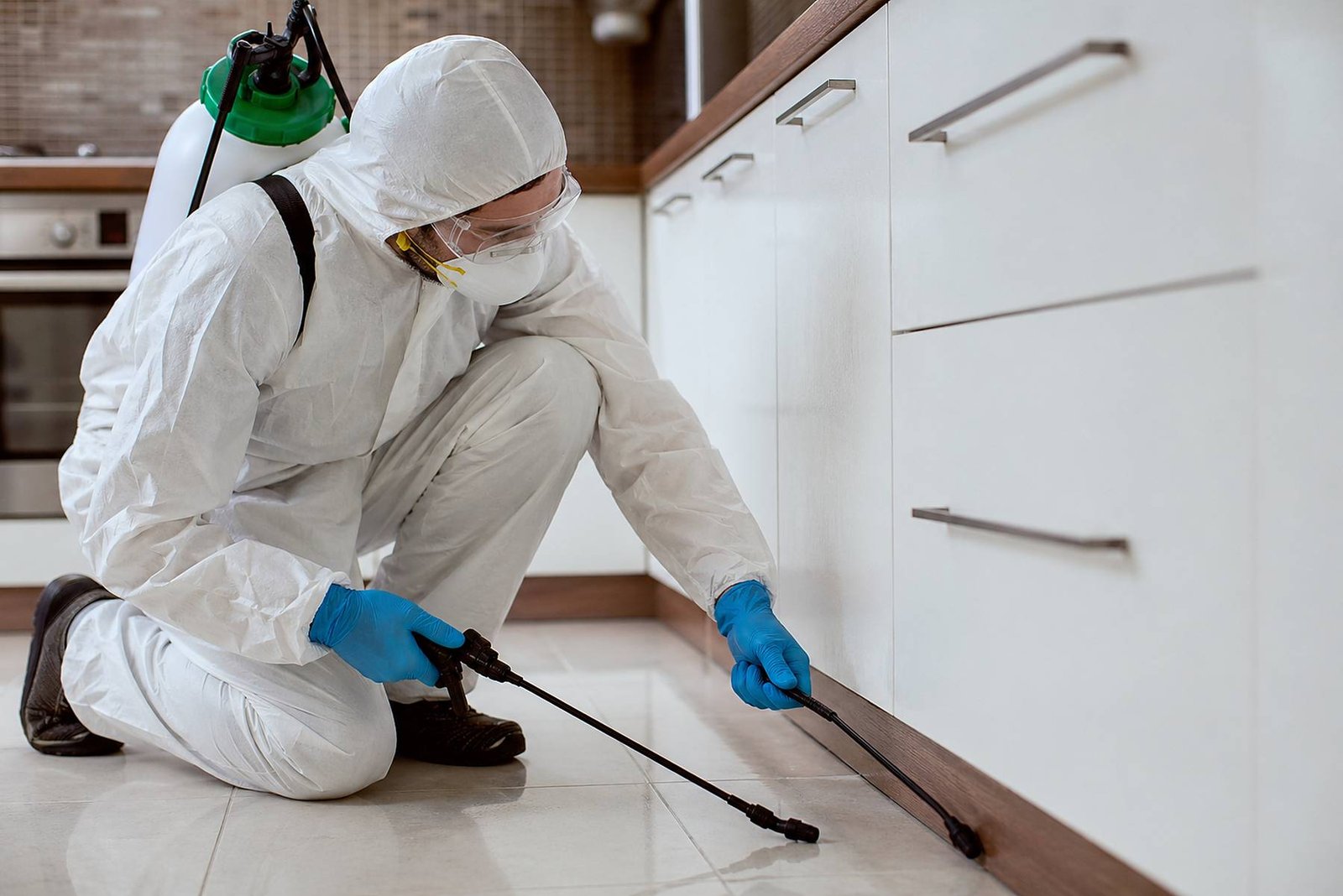
A technician may identify whether the nest is exposed or hidden and determine the safest way to address it. Protective equipment and appropriate treatment methods can reduce the risks involved in handling an active colony.
After the nest is addressed, the surrounding area may also be inspected for possible entry points. This can help reduce the chance of another colony establishing itself in the same location.
Ways to Reduce Wasp Activity
Homeowners can take simple steps to make their property less attractive to wasps. Keep garbage containers closed and clean food spills quickly. Outdoor drinks and food should not be left uncovered for long periods.
Inspect roof edges, sheds, fences, and other sheltered areas during routine home maintenance. Look for early signs of nest construction, but do not touch or disturb a developing nest.
Sealing suitable gaps around buildings can also reduce access to sheltered spaces. However, repairs should be completed carefully and only when there is no active insect movement through the opening.
Frequently Asked Questions
How do I know if a wasp nest is active?
Regular wasp movement around the nest is a common sign of activity. Wasps may repeatedly enter and leave the nest or fly around the same area.
Should I remove a wasp nest myself?
Removing an active nest can be dangerous because wasps may defend their colony. Professional assistance is generally safer, especially when the nest is large, hidden, or located near an entrance.
What should I do if a wasp nest is near my door?
Use another entrance if possible and keep people and pets away from the nest. Avoid disturbing it until the situation has been properly assessed.
Can wasps build nests inside walls?
Yes. Some wasps can establish nests in protected wall cavities or other hidden spaces. Repeated wasp activity around one area of a building may indicate a hidden nest.
How can I prevent wasps from returning?
Keep food and garbage covered, clean outdoor spills, inspect sheltered areas, and seal suitable entry points when it is safe to do so. Regular property checks can help identify new activity early.
Conclusion
An active wasp nest can become a serious concern when it is close to people or frequently used areas of a home. Keeping your distance, avoiding DIY nest removal, and arranging a proper assessment can help reduce unnecessary risks. My Pest Exterminator can help homeowners address wasp and other pest concerns with practical treatment options suited to the property.