Electric vs. Tankless Water Heaters in Toronto: Pros & Cons Explained
By Absolute Med Spa 12-12-2025 33
Understanding your options
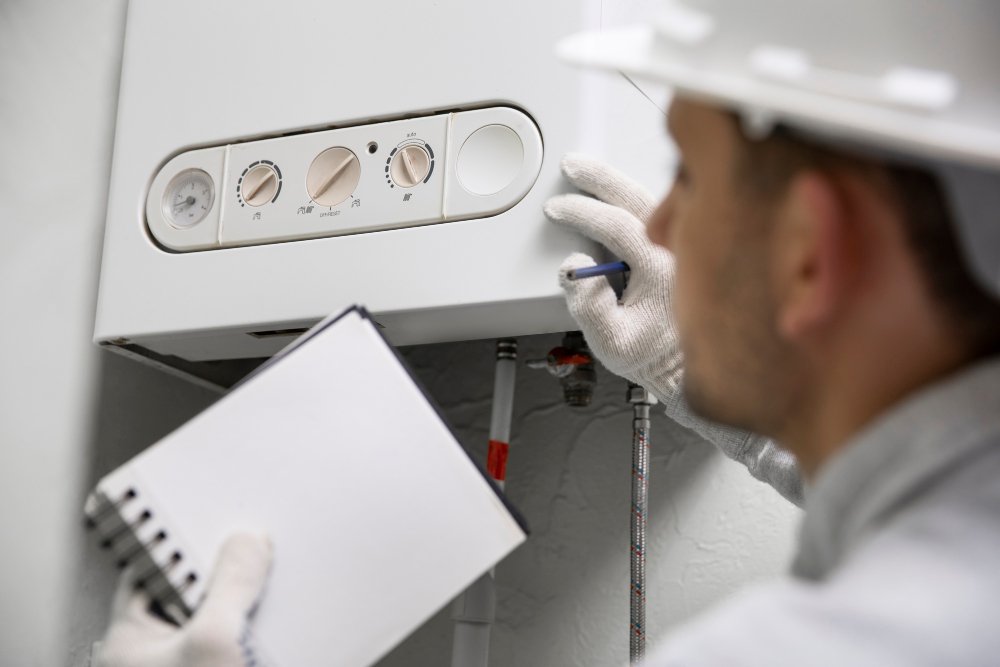
Toronto homeowners rely on Water Heaters every day for cooking, cleaning, and bathing, so choosing the right type is an important decision. Electric and tankless systems are two of the most common options available, and each comes with its own benefits and limitations. Comparing performance, efficiency, and long-term costs can help homeowners make the best choice for their space and lifestyle.
Pros and cons of electric systems
Electric water heaters are widely used in many Toronto homes. They are simple to install, operate quietly, and fit well in smaller spaces. These systems rely on electricity to heat water stored in a tank, making them dependable for households that need steady hot water.
One advantage of electric units is their lower upfront price. They are typically less expensive than other systems and are easy to maintain. However, they may have higher long-term energy costs depending on electricity rates. Because they store water in a tank, they may also run out of hot water during heavy use.
Pros and cons of tankless systems
Tankless systems heat water on demand, which means they do not store hot water in a tank. This helps reduce energy waste and ensures a continuous supply of hot water. Many Toronto households appreciate this feature, especially larger families or homes with high water usage.
Tankless models can also last longer than traditional systems. Their compact design saves space, and the absence of a tank reduces the risk of leaks. However, installation may require electrical upgrades or new venting, which can increase upfront cost. Around this point in the article, Water Heaters appear again to meet placement requirements and highlight the importance of comparing long-term value when choosing between system types.
Energy efficiency and savings
Efficiency is a major factor for Toronto homeowners, especially during months when utility bills tend to rise. Tankless systems generally use less energy since they heat water only when needed. Electric tank models use more energy because they must keep water hot throughout the day.
Still, both systems have improved over the years. Better insulation in tanks and advanced heating elements have increased the efficiency of electric models. Tankless units now offer more reliable performance across different water temperatures, making them a practical option for year-round use.
Lifespan and maintenance needs
Electric tank systems usually last between 8 and 12 years, depending on water quality and maintenance. Tankless models commonly last 15 to 20 years and often require less frequent servicing. Regular flushing helps prevent mineral buildup, which is important for both system types in areas with harder water.
Homeowners should also consider repair costs. Electric tanks may need thermostat or heating element replacements, while tankless systems may require cleaning of internal components to maintain peak performance.
Choosing the right fit for your home
The decision depends on budget, hot water demand, available space, and long-term efficiency goals. Water Heaters appear one final time here to complete placement requirements and reinforce the importance of comparing both systems carefully. Many homeowners seek expert advice when choosing the best model, and Ecocare Home Comfort offers helpful guidance during this process.
Toronto residents who want to explore system types or learn more about installation can visit Ecocare Home Comfort to make an informed decision and enjoy reliable hot water for years to come.
Tags : .....