Drink Recipe Formulation: How Beverage Recipes Are Formulated for Innovative Beverage Development
By beverageconsultant 06-07-2026 105
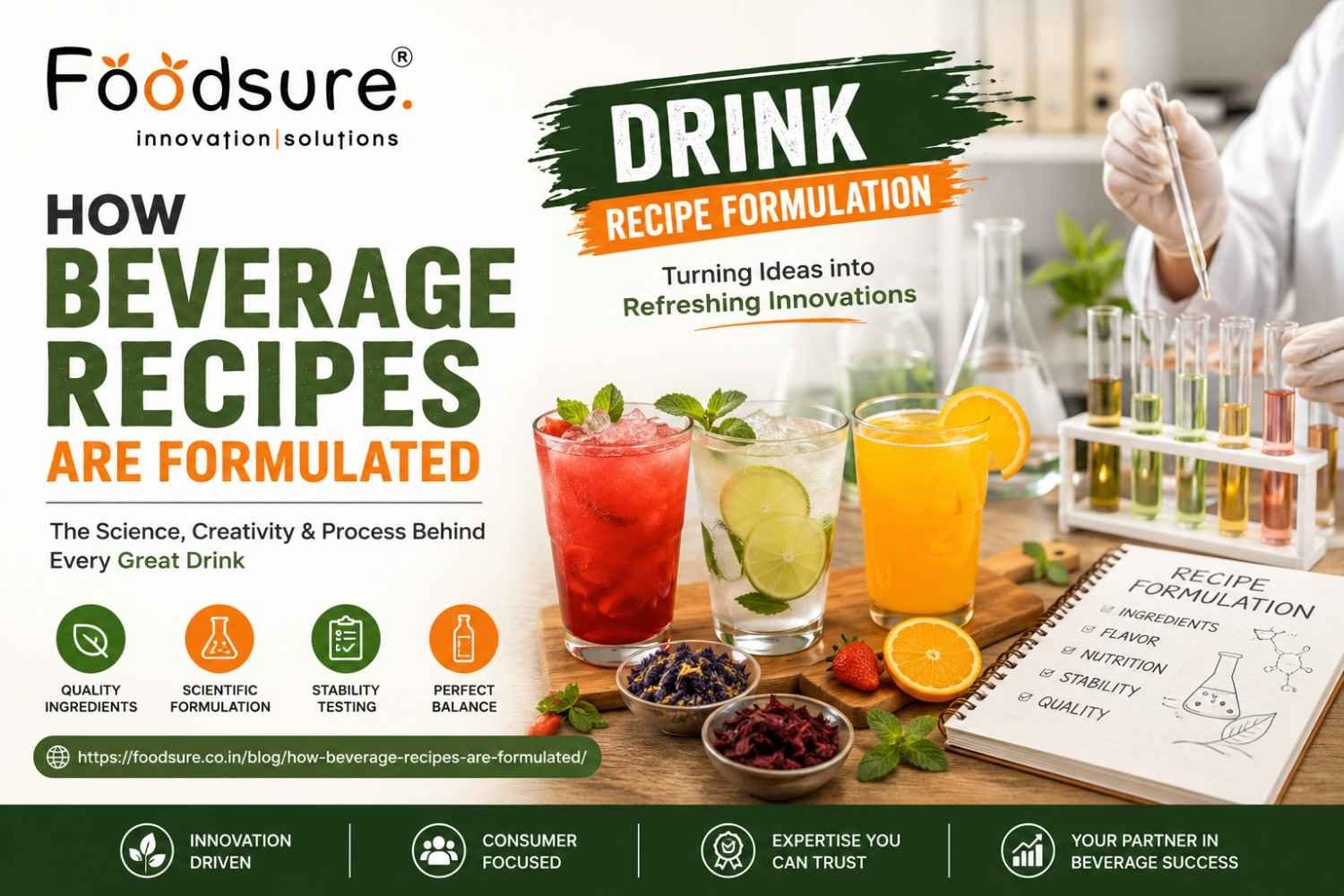
The success of any beverage starts with Drink recipe formulation. Whether you're creating a functional health drink, a sparkling refreshment, or exploring creative non-alcoholic drinks ideas, the recipe is the foundation of the final product. A well-developed beverage recipe delivers the right balance of taste, nutrition, texture, shelf life, and consistency. Understanding How Beverage Recipes Are Formulated helps beverage brands create products that not only meet consumer expectations but also perform well during manufacturing and distribution.
What Is Drink Recipe Formulation?
Drink recipe formulation is the process of developing a beverage recipe using scientific methods, ingredient expertise, and product testing. It involves selecting the right combination of flavors, sweeteners, acids, functional ingredients, preservatives, and stabilizers to create a beverage that is enjoyable, safe, and commercially viable.
Unlike simply mixing ingredients together, beverage formulation requires careful planning to ensure the drink remains stable throughout its shelf life while maintaining its intended taste, appearance, and nutritional value.
How Beverage Recipes Are Formulated
Every successful beverage follows a structured product development process. How Beverage Recipes Are Formulated involves several important stages that help transform an idea into a market-ready product.
1. Product Concept Development
The first step is defining the purpose of the beverage. Developers identify:
- Target consumers
- Beverage category
- Functional benefits
- Flavor profile
- Packaging preference
- Pricing strategy
Having a clear concept makes the formulation process more efficient and helps achieve business goals.
2. Ingredient Selection
Choosing quality ingredients is one of the most important parts of beverage development. Formulators carefully evaluate ingredients based on flavor, stability, nutrition, cost, and regulatory compliance.
Common ingredients include:
- Fruit concentrates
- Natural flavors
- Botanical extracts
- Sweeteners
- Vitamins
- Minerals
- Functional ingredients
- Food acids
- Natural colors
- Preservatives
Every ingredient must work together without affecting product quality.
3. Prototype Creation and Testing
After selecting ingredients, developers prepare multiple beverage samples. Each prototype is tested for:
- Taste
- Aroma
- Mouthfeel
- Sweetness
- Acidity
- Color
- Overall consumer acceptance
This stage often requires several adjustments before the ideal recipe is finalized.
Beverage Formulation for Modern Consumers
Today's consumers expect beverages to provide more than refreshment. Drink recipe formulation now focuses on creating products that combine excellent taste with added health benefits. This is where Beverage formulation plays an essential role by incorporating functional ingredients without compromising flavor or product stability.
Popular beverage categories include:
- Functional beverages
- Energy drinks
- Protein beverages
- Herbal wellness drinks
- Hydration beverages
- Sparkling drinks
- Prebiotic sodas
- Vitamin-enriched beverages
These categories continue to grow as consumers seek healthier lifestyle choices.
Popular Non-Alcoholic Drinks Ideas
Consumer demand for healthier beverages has created exciting opportunities for beverage brands. Some trending non-alcoholic drinks ideas include:
- Botanical sparkling beverages
- Fruit and herbal infusions
- Electrolyte hydration drinks
- Natural energy beverages
- Functional wellness drinks
- Prebiotic soft drinks
- Adaptogen beverages
- Protein shakes
- Plant-based refreshment drinks
- Vitamin-rich fruit beverages
Each concept requires careful formulation to deliver both great taste and long-term product stability.
Importance of Stability and Shelf-Life Testing
Creating a delicious beverage is only the beginning. Manufacturers must ensure the beverage maintains its quality throughout storage and transportation.
Important stability tests include:
- Flavor consistency
- pH stability
- Ingredient compatibility
- Color retention
- Sedimentation testing
- Microbiological safety
- Shelf-life evaluation
These tests help ensure customers receive the same high-quality beverage every time they purchase the product.
Common Challenges During Beverage Development
Developing a successful beverage involves overcoming several technical challenges, including:
- Flavor imbalance
- Ingredient separation
- Poor mouthfeel
- Limited shelf life
- Color fading
- Scaling recipes for commercial production
- Regulatory compliance
Businesses searching online for a beverage development company near me often look for experts who can solve these formulation challenges while reducing product development time.
Why Professional Beverage Formulation Matters
Professional beverage developers bring scientific knowledge, industry experience, and testing capabilities that improve the chances of commercial success. They help businesses:
- Develop unique beverage recipes
- Optimize ingredient selection
- Improve product consistency
- Reduce production costs
- Increase shelf stability
- Meet food safety standards
- Prepare beverages for large-scale manufacturing
Working with experienced formulation specialists also minimizes expensive production errors and speeds up product launches.
Future Trends in Beverage Innovation
The beverage industry continues to evolve with changing consumer preferences. Some of the fastest-growing formulation trends include:
- Clean-label beverages
- Natural sweeteners
- Functional ingredients
- Sugar reduction
- Plant-based nutrition
- Sustainable ingredient sourcing
- Personalized nutrition drinks
- Low-calorie beverages
Brands that invest in innovative formulation techniques are better positioned to meet future market demands and stay ahead of the competition.
Conclusion
A successful beverage begins with Drink recipe formulation, where creativity meets science to produce high-quality, market-ready drinks. By understanding How Beverage Recipes Are Formulated, choosing the right ingredients, and following a structured Beverage formulation process, businesses can create beverages that stand out in a competitive market. Whether you're developing innovative products or exploring new non-alcoholic drinks ideas, investing in professional formulation is a smart step toward long-term success. Foodsure supports beverage brands with expert formulation and product development solutions to bring innovative drink concepts to life.
FAQs
1. What is drink recipe formulation?
Drink recipe formulation is the process of creating a balanced beverage recipe by selecting ingredients, optimizing flavor, testing stability, and preparing the product for commercial production.
2. Why is beverage formulation important?
Beverage formulation ensures a drink delivers consistent taste, nutritional value, safety, and shelf-life while meeting consumer expectations.
3. What factors influence beverage recipe development?
Important factors include ingredient quality, flavor balance, pH, stability, packaging, shelf life, manufacturing process, and regulatory requirements.
4. Can startups develop custom beverage recipes?
Yes. Beverage formulation experts help startups create unique beverage recipes tailored to their brand, target audience, and business goals.
5. What are some popular non-alcoholic drinks ideas?
Popular options include botanical beverages, functional wellness drinks, electrolyte beverages, prebiotic sodas, herbal drinks, protein beverages, and vitamin-enriched refreshment drinks.
Tags : foodsure Drink Recipe Formulation