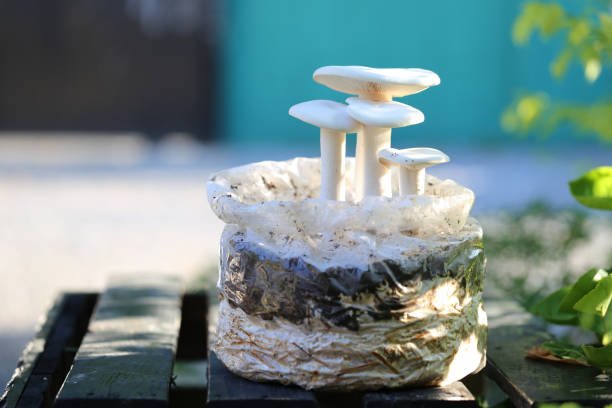
Why All-In-One Mushroom Grow Bags Actually Exist
Let’s be real for a second. All-in-one mushroom grow bags weren’t invented to look pretty on Instagram. They exist because growing mushrooms the old way is a pain if you’re busy, new, or just tired of juggling grain jars, bulk substrate, and contamination anxiety. The short answer is convenience, but that’s not the whole story. These bags combine grain spawn and substrate in one sealed environment, so fewer steps, fewer chances to mess it up. For people who want results without a biology degree, this setup makes sense. It’s not cheating, it’s efficiency. And efficiency is how most growers actually stick with cultivation long term.
What’s Inside an All-In-One Mushroom Grow Bag
At its core, an all-in-one mushroom grow bag is layered on purpose. Grain on the bottom, substrate on top, separated until you mix them. That grain is your food source for colonization, usually rye, millet, or sorghum depending on the supplier. The substrate above it holds moisture and structure so the mycelium can stretch and breathe. When done right, the ratios matter more than people think. Too much grain and contamination risk spikes. Too little and growth slows down. A quality mushroom cultivation supply company already figured that balance out for you. That’s the quiet value nobody talks about.
Why Beginners Gravitate Toward This Setup
Truth is, beginners don’t fail because they’re careless. They fail because there are too many steps and each one carries risk. Pressure cooking. Transfers. Open air mistakes. An all-in-one mushroom grow bag cuts most of that out. You inoculate, wait, mix, then fruit. That’s it. Fewer tools. Less gear. Less stress. When someone gets their first flush without panic Googling every day, they’re hooked. And once confidence kicks in, learning deeper techniques becomes way easier. Starting simple isn’t lazy. It’s smart.
Not Just for Beginners, Let’s Clear That Up
There’s this weird myth that experienced growers don’t use all-in-one bags. That’s just not true. Plenty of seasoned cultivators use them when testing genetics or running small batches. Time matters. If you already know how mushrooms behave, a reliable bag saves hours. Also, not everyone wants a room full of tubs and filters. Some people want clean, repeatable results without babysitting. A solid mushroom cultivation supply isn’t about skill level. It’s about workflow. And workflows evolve.
Contamination Risk and Why Quality Matters
Here’s where blunt honesty helps. A cheap grow bag can wreck your entire grow. Contamination usually starts before it reaches you, not because you sneezed wrong. Poor sterilization, low-grade filter patches, or sloppy sealing will show up weeks later. That’s why sourcing matters more than most growers admit. A trusted supplier treats sterilization like religion. Consistency beats shortcuts every time. When people complain that all-in-one mushroom grow bags “don’t work,” nine times out of ten, it wasn’t the method. It was the bag.

How the Mixing Stage Actually Works
Breaking and mixing the bag feels dramatic, but it’s simple. You’re spreading colonized grain through the substrate so mycelium can expand evenly. Do it too early and you stall growth. Too late and you lose speed. Most bags are ready when the grain is 70–80% white, not solid brick mode. This part isn’t about strength, it’s about control. Gentle pressure. Even distribution. Think folding dough, not punching it. Small detail, big difference.
Environmental Control Without Overthinking It
People love to overcomplicate fruiting conditions. Truth is, mushrooms want fresh air, humidity, and patience. That’s it. An all-in-one mushroom grow bag already handles moisture internally. Your job is not to suffocate it or dry it out. Indirect light helps orientation, not growth speed. Temperature matters, but not down to the decimal. If your space is comfortable for you, it’s usually fine for most species. Over-adjusting is how people mess things up. Sometimes doing less is the pro move.
Yield Expectations and Honest Numbers
Let’s talk yields without fantasy. One bag won’t feed a village. But it can absolutely produce multiple flushes if treated right. Genetics play a role, yes, but substrate quality plays a bigger one. Good bags hold moisture longer, which means stronger second and third flushes. When yields disappoint, it’s usually dehydration or rushing harvests. Mushrooms grow fast, but not on your schedule. Patience pays here, literally.
Why DIY Isn’t Always Cheaper
DIY cultivation has its place, but it’s not always cheaper. Equipment adds up. Time adds up faster. A quality mushroom cultivation supply eliminates trial and error costs you don’t see on spreadsheets. When people calculate price per bag and ignore wasted batches, the math lies. All-in-one mushroom grow bags are about predictable outcomes. Predictability is valuable, especially when you’re scaling slowly or learning species behavior.
Choosing the Right Supplier Matters More Than Species
This might sound backwards, but supplier quality matters more than which mushroom you’re growing. A bad bag with great genetics still fails. A good bag with average genetics usually performs fine. Look for clear sterilization standards, thick bags, strong filter patches, and real customer feedback. If a supplier avoids specifics, that’s your answer. Transparency builds trust. That’s how long-term growers choose who they buy from.
Where Mushroom Cultivation Supply Fits Into Growth
As growers improve, needs change. Maybe you move to monotubs. Maybe you stick with bags. Either way, reliable mushroom cultivation supply stays central. Substrate consistency, clean inputs, and proper materials never stop mattering. Even advanced growers lean on suppliers to save time. There’s no badge for doing everything from scratch forever. Efficiency isn’t selling out. It’s growing smarter.
Why Booming Acres Is Worth Checking Out
If you want a straight recommendation, here it is. Booming Acres focuses on quality over hype. Their all-in-one mushroom grow bags are built for real growers, not marketing photos. Thick materials, solid sterilization, and reliable performance. No fluff. No nonsense. If you’re serious about cultivation, whether you’re starting or refining, this is a supplier that understands the process. Visit Booming Acres to start growing with confidence instead of guesswork.
FAQs
What is an all-in-one mushroom grow bag used for?
An all-in-one mushroom grow bag is used to grow mushrooms from inoculation to harvest in a single container. It combines grain spawn and substrate, reducing steps and contamination risk while simplifying the entire cultivation process.
Are all-in-one mushroom grow bags good for beginners?
Yes, they’re ideal for beginners because they remove many complex steps. Less handling means fewer mistakes, which helps new growers build confidence and learn mushroom cultivation faster.
How long does an all-in-one mushroom grow bag take to fruit?
Most bags begin fruiting within 4–8 weeks depending on species, temperature, and genetics. Patience matters, rushing the process usually backfires.
Can experienced growers use all-in-one grow bags?
Absolutely. Many experienced growers use them for testing strains, saving time, or running small controlled grows without setting up full bulk systems.
Where should I buy reliable all-in-one mushroom grow bags?
For dependable results and solid craftsmanship, visit Booming Acres and start with supplies designed for growers who care about real outcomes.
Tags : all in one mushroom grow bag