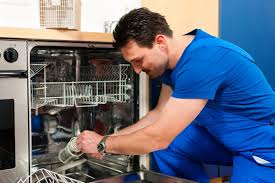
A dishwasher is designed to save time and effort, but without proper care, its performance can slowly decline. Dishes may come out cloudy, food residue may remain, or unpleasant odors can develop. Most of these issues are not caused by major faults but by lack of regular maintenance. With regular care, a dishwasher can run well for years. It will keep delivering clean, hygienic results every time.
Clean the Filter Regularly
The dishwasher filter traps food particles and debris during wash cycles. Over time, this filter can become clogged, restricting water flow and reducing cleaning efficiency.
Cleaning the filter often stops food buildup. It also boosts water flow and makes dishes cleaner. A clogged filter is also one of the main causes of bad smells inside the dishwasher.
Check and Clean Spray Arms
Spray arms distribute water inside the dishwasher. When food particles or mineral deposits clog the small holes, water can’t spray evenly. This results in dishes that aren’t cleaned well.
Inspect the spray arms occasionally and rinse them under running water if needed. Proper spray arm movement ensures strong and balanced water pressure during each cycle.
Use the Right Detergent and Quantity
Using too much detergent does not improve cleaning and can leave residue on dishes and inside the machine. On the other hand, using low-quality detergent may fail to remove grease and food stains.
Always choose a detergent suitable for your dishwasher and follow the recommended quantity. This improves washing results and protects internal components.
Run Hot Water Before Starting a Cycle
Running hot water at the sink for a few seconds helps the dishwasher start with hot water right away. This is especially useful for removing grease and stubborn food residue.
Starting with hot water improves overall cleaning performance.
Load Dishes Correctly
Incorrect loading can block spray arms and prevent water from reaching all dishes. Overloading the dishwasher also reduces cleaning effectiveness and strains the motor.
Placing dishes with proper spacing allows water and detergent to circulate freely, resulting in better cleaning and drying.
Clean the Dishwasher Interior
Food residue, grease, and soap scum can build up inside the dishwasher over time. This affects performance and causes unpleasant odors.
Run an empty cycle with a dishwasher cleaner or mild solution now and then. This helps clear internal buildup and keeps your machine fresh.
Check the Door Seal
The rubber door seal prevents water leakage and maintains proper pressure inside the dishwasher. Dirt, grease, or damage to the seal can affect performance and cause leaks.
Wiping the seal regularly and checking for cracks helps maintain efficient operation.
Use Rinse Aid for Better Results
Rinse aid improves drying performance and reduces water spots on dishes. It also helps water flow smoothly off surfaces, leaving dishes cleaner and shinier.
Using rinse aid is especially helpful in areas with hard water.
Avoid Skipping Maintenance for Long Periods
Neglecting small maintenance tasks can cause bigger problems. This includes poor cleaning, drainage issues, and mechanical failures. Regular care helps identify issues early and prevents costly repairs.
Consistent maintenance keeps the dishwasher working at its best.
When to Schedule Professional Maintenance
If the dishwasher still works poorly after regular cleaning, you might need a professional inspection. Trained technicians should handle issues like faulty pumps, heating elements, or drainage systems.
Timely professional maintenance ensures long-term reliability.
Conclusion
Dishwasher maintenance is easy but very important. It helps boost performance and extends the appliance's life. Simple habits can make a big difference. Clean the filter, use the right detergent, and load dishes properly.
With regular care and timely servicing, your dishwasher will stay clean and efficient. It will continue to be a reliable part of your daily routine.
Read More: Dishwasher Repair Near Me