Different Types of Directional Control Valves and Their Applications Across Industries
By Airmax Pneumatics 30-09-2025 40
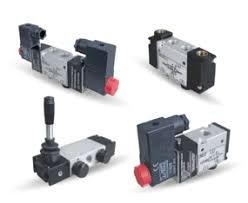
In any hydraulic or pneumatic system, controlling the flow of air or fluid is the backbone of efficiency. That’s where the directional control valve steps in. Whether it’s moving a cylinder, powering a hydraulic press, or ensuring a robot arm moves with precision, these valves decide the “path” the fluid takes. Without them, modern industries simply cannot run smoothly.
Over the years, directional control valves have evolved in design and functionality, catering to the diverse needs of sectors like oil & gas, automotive, food processing, and heavy machinery. Let’s take a closer look at the different types available and how industries put them to work.
What is a Directional Control Valve?
At its core, a directional control valve is a device that decides where the fluid goes. Think of it like a traffic controller, but instead of cars, it directs hydraulic oil or compressed air through different paths. Depending on the valve type, this control can be manual, mechanical, electric, or even pressure-driven.
Main Types of Directional Control Valves
1. Spool Valves
The most common type, spool valves, use a sliding spool inside a chamber. By moving this spool, the valve either blocks or allows fluid to pass through different ports. They are versatile and widely used in factory automation, construction machines, and general hydraulics.
2. Poppet Valves
These valves rely on a poppet sealing against a seat. The advantage? Excellent leak-tightness. Industries like heavy presses or safety-critical applications prefer them because they prevent unwanted leakage and ensure reliable shutoff.
3. Rotary Valves
Rotary valves use a rotating plug or disc to change the flow direction. They are compact and work best in smaller pneumatic applications where smooth and frequent directional changes are needed.
4. Pilot-Operated Valves
When the system deals with very high pressure or large flow, a pilot signal helps operate the main valve. These valves are common in demanding applications like cranes, hydraulic power units, and mining equipment. They handle tough jobs with less effort.
5. Solenoid-Operated Valves
With solenoids, electricity controls the valve movement. These are ideal for modern, automated setups where quick response and precision are needed. From automotive assembly lines to packaging machinery, solenoid valves are everywhere in today’s factories.
Applications Across Industries
The beauty of directional control valves is their adaptability. Some examples include:
- Automotive Industry – controlling robotic arms and testing rigs.
- Oil & Gas – handling high-pressure drilling and wellhead systems.
- Food & Pharma – ensuring clean, leak-free operation in filling and packaging.
- Construction – powering excavators, loaders, and hydraulic lifts.
- Automation – keeping conveyors, CNC machines, and material handling equipment running reliably.
Why Choosing the Right Valve Matters
Not every valve suits every job. A wrong choice could mean energy losses, more downtime, or even safety risks. For example, a solenoid valve might be perfect for an automated line, but a pilot-operated valve is the better fit for a crane lifting heavy loads. The right decision saves power, extends equipment life, and reduces maintenance headaches.
Conclusion
Directional control valves may look small compared to large industrial machines, but they make all the difference in how smoothly systems perform. Understanding the different types—spool, poppet, rotary, pilot-operated, and solenoid-operated—helps engineers and decision-makers match the right valve to the right task.
Trusted suppliers like Airmax Pneumatic provide reliable directional control valves that meet the demands of modern industries. By investing in the right valve, businesses not only improve efficiency but also ensure long-term reliability and safety in their operations.
Tags : directional control valve