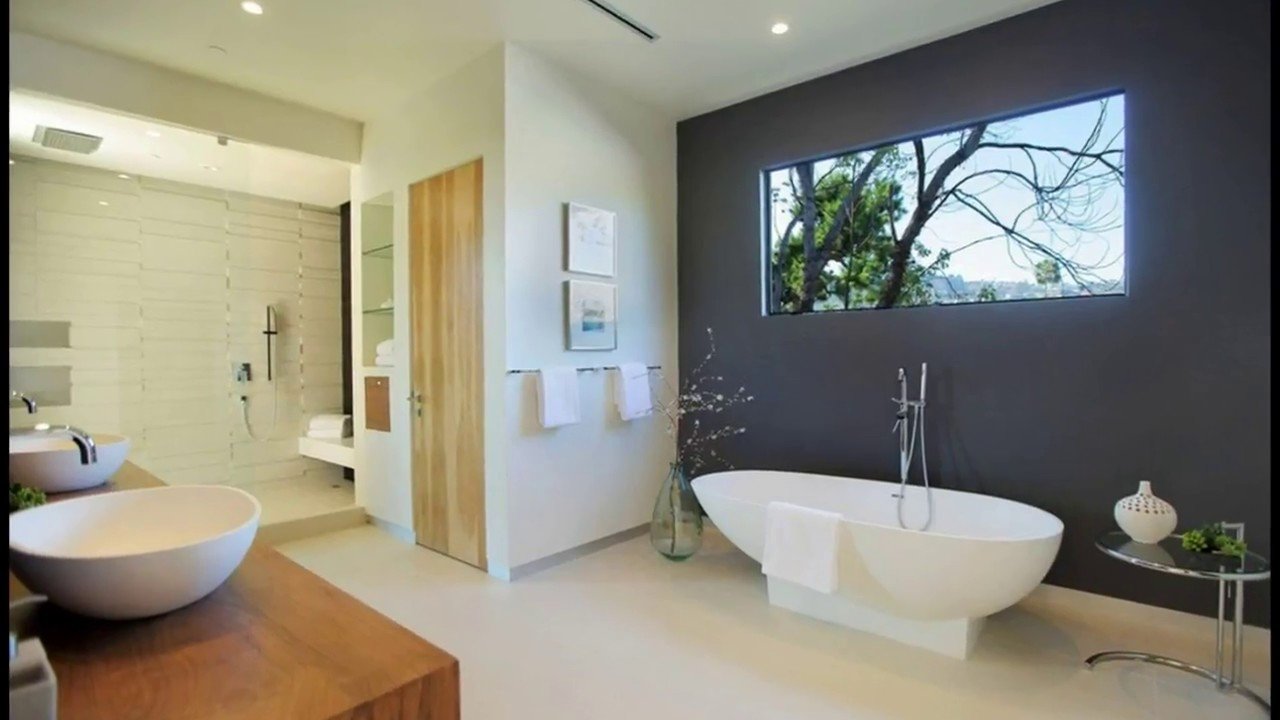
Designing bathrooms with separate wet and dry zones has become a defining trend in modern interior planning. This approach ensures that daily routines are more comfortable, practical, and hygienic within increasingly compact residential layouts. By dividing spaces, homeowners can prevent water from spreading across areas intended for grooming or dressing. Such separation allows the wet area, usually the shower or bathtub, to remain contained within its own distinct boundary. Meanwhile, the dry zone provides a convenient space for personal care activities like shaving, applying cosmetics, or brushing teeth. When designed thoughtfully, this dual arrangement not only enhances cleanliness but also improves safety and usability for every household member.
The growing popularity of this layout can be attributed to both practical benefits and evolving aesthetic preferences. Traditional bathrooms often combined functions in one compact area, making them vulnerable to slippery floors and excess humidity. Modern design, however, seeks to create spatial harmony by limiting overlaps between zones while still promoting visual flow. This shift illustrates how contemporary housing trends prioritize both elegance and efficient resource utilization. Designing bathrooms with this dual-zone approach provides a practical balance between utility and luxury that appeals to homeowners worldwide.
Benefits of Bathroom Separation
The most immediate benefit of designing bathrooms with separate zones is the significant improvement in safety levels. Wet areas naturally generate slippery surfaces, increasing the risk of falls and related accidents, especially among elderly residents. By ensuring a contained wet zone, homeowners can minimize risks while fostering greater accessibility and independence for vulnerable family members. Furthermore, the dry zone remains consistently usable without being disrupted by excess water or condensation. This separation allows multiple people to utilize the bathroom simultaneously, improving overall household efficiency during busy morning routines.
Another notable advantage is the enhancement of durability within bathroom finishes and fixtures. Moisture is the most common factor behind peeling paint, warped cabinetry, and mold infestations within poorly ventilated interiors. Designing bathrooms with segregated zones ensures the dry section remains protected from constant water exposure, prolonging the life of materials. Furthermore, controlled airflow systems can be tailored more effectively when humidity is restricted to the wet compartment alone. As a result, bathrooms remain cleaner, healthier, and easier to maintain, reducing long-term costs for homeowners.
Aesthetic benefits also play a central role in this architectural trend, influencing how homeowners envision their private sanctuaries. Separation encourages greater design creativity by allowing different styles, textures, and materials to coexist harmoniously within one room. For example, sleek glass partitions or natural stone walls can enclose the wet area, while wood or ceramic accents define the dry zone. Such combinations elevate overall visual appeal while reinforcing functional purpose. This approach ultimately transforms the bathroom from a purely utilitarian space into a personalized environment reflecting individual lifestyle choices.
Bathroom Zoning Design Considerations
Successfully designing bathrooms with wet and dry divisions depends heavily on material selection and spatial layout. Durable, water-resistant materials such as tempered glass, porcelain tiles, and treated natural stone are ideal choices for wet areas. Their resilience ensures that constant water contact does not compromise the structure or appearance of the designated section. In contrast, dry zones provide opportunities to experiment with warmer textures like wood veneers, laminates, or even composite finishes. Such contrasts introduce visual depth while preserving the unique identity of each zone within the bathroom.
Layout planning plays an equally crucial role in determining the effectiveness of separation. Designers often recommend placing the wet zone at the farthest corner, ensuring water flow remains contained. Transparent partitions or sliding glass enclosures maintain openness without compromising on protection. Meanwhile, dry zones should be oriented near the entrance, offering immediate accessibility for grooming tasks without stepping across wet flooring. Ventilation design further supports this arrangement, with exhaust systems positioned strategically to draw moisture away from drier surfaces. When combined, these layout considerations promote efficiency while ensuring a visually coherent interior composition.
Lighting and color schemes also help define the character of each zone. Wet areas often benefit from cooler tones and brighter lighting, emphasizing cleanliness and reflective surfaces. Dry areas, however, may incorporate warmer shades or softer lighting, producing a more relaxed and inviting ambiance. Designing bathrooms with such complementary contrasts ensures that spaces remain functional while simultaneously achieving aesthetic sophistication. Every choice, from fixture placement to ceiling design, reinforces the seamless integration of purpose-driven architecture with contemporary elegance.
Practical Bathroom Renovation Guidance
As homeowners embrace these design principles, professional expertise becomes essential to achieving both functionality and beauty. Experienced designers recognize the technical challenges involved in drainage, ventilation, and waterproofing when separating wet and dry zones. Without expert planning, seemingly minor miscalculations could lead to water leakage, uneven humidity control, or compromised flooring durability. This highlights the importance of working with skilled renovation specialists who understand the intricacies of modern bathroom design.
In many communities, services tailored specifically for innovative layouts are becoming increasingly accessible. Homeowners seeking reliable professionals may benefit from partnering with trusted companies such as Markdale Home Renovation Services. These experts provide guidance in material selection, layout optimization, and integration of modern fixtures within custom bathroom designs. Their experience ensures that each project balances safety, durability, and contemporary aesthetics without unnecessary compromise. Collaborating with skilled professionals guarantees that ambitious design concepts transform into practical realities within defined budgets and timelines.
Real-world applications demonstrate how effectively executed bathroom zoning can elevate entire households. Families appreciate the convenience of parallel usage during busy hours, while property values benefit from modernized, functional renovations. Additionally, occupants experience greater satisfaction in daily routines as bathrooms transition from cramped spaces into organized, refreshing environments. Such outcomes highlight the transformative potential of thoughtful design, especially when informed by expert consultation and meticulous planning.
Future Bathroom Design Trends
Looking ahead, designing bathrooms with wet and dry zones will continue to shape architectural innovation across residential and commercial developments. Increasing awareness of sustainable practices encourages the use of eco-friendly materials, water-saving fixtures, and energy-efficient ventilation systems. Such technologies seamlessly integrate with zoning principles, further reinforcing the balance between utility and environmental responsibility. For instance, advanced waterproof membranes paired with digital shower systems allow more efficient water management while supporting long-term sustainability goals.
Smart technologies will also play a defining role in the future of bathroom design. Motion-activated lighting, humidity sensors, and intelligent mirrors can adapt environments to user preferences and seasonal conditions. These features enhance convenience while ensuring that spaces remain clean, energy-efficient, and well-maintained over time. The introduction of modular furniture and customizable partitions will enable homeowners to reconfigure bathrooms according to evolving lifestyle needs. Designing bathrooms with flexible elements ensures long-lasting relevance despite shifting trends or family dynamics.
Ultimately, the popularity of zoned bathrooms reflects broader societal values emphasizing wellness, safety, and personalization. Homes are no longer viewed as static structures but rather as adaptive environments tailored to individual requirements. By integrating wet and dry divisions, homeowners gain not only improved practicality but also a renewed sense of comfort and luxury. As technology and design philosophies continue advancing, bathrooms will remain a defining canvas for expressing both innovation and identity. The growing emphasis on such layouts signals an enduring evolution in how living spaces are conceived, experienced, and appreciated worldwide.
Tags : modern interior bathrooms