Custom sleeve boxes are one of the most versatile and visually appealing packaging solutions used across retail, food, cosmetics, and promotional products. While they may look simple, designing an effective sleeve box requires careful planning, practical knowledge, and real packaging experience. Small design mistakes can lead to poor fit, weak branding, or higher production costs.
In this blog, we’ll share custom sleeve boxes design tips based on real packaging experience to help brands create packaging that looks great, functions well, and performs reliably in real-world use.
Understanding What a Custom Sleeve Box Really Is
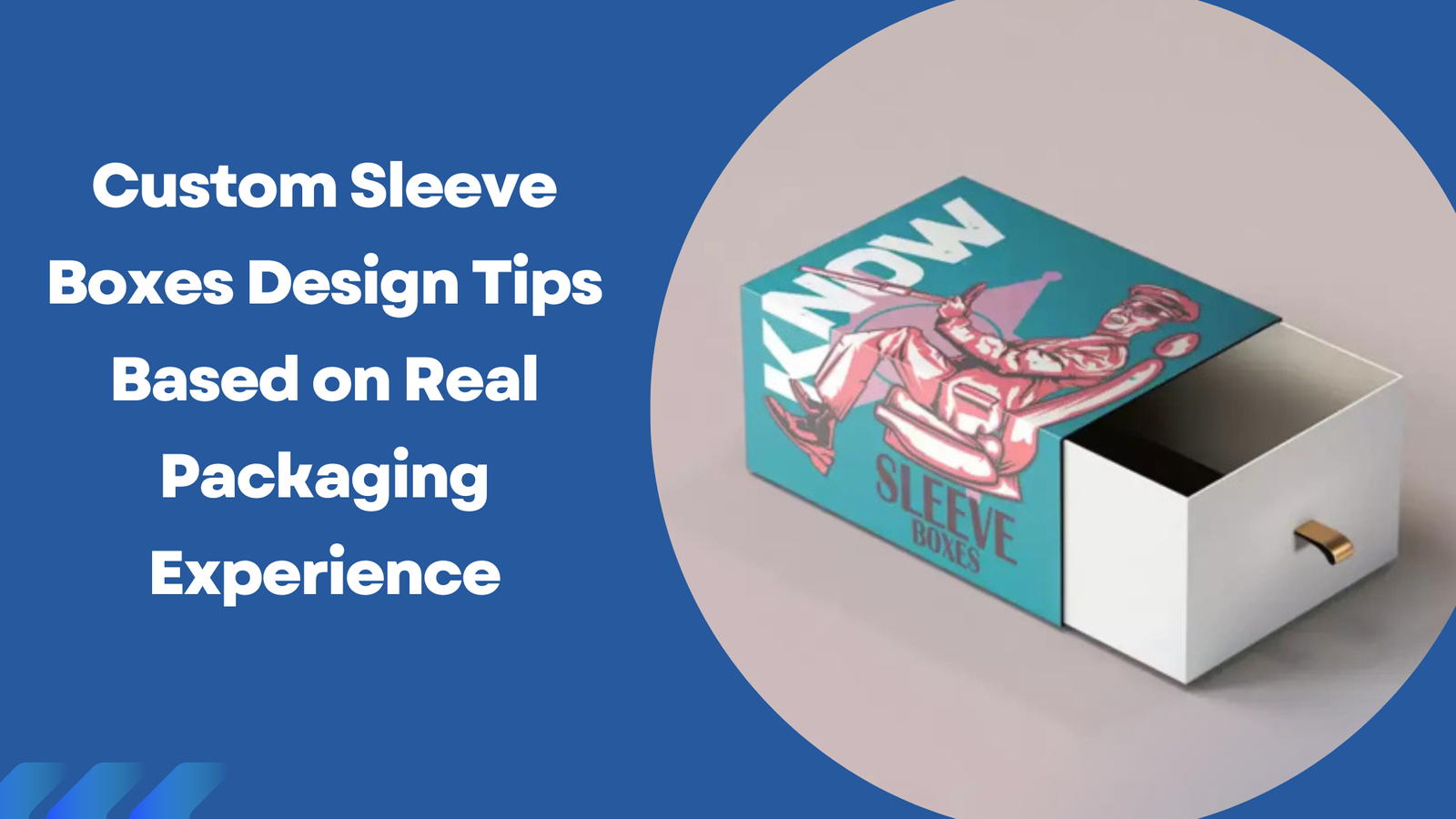
A sleeve box is typically made of two parts: an inner tray or box and an outer sleeve that slides over it. The sleeve holds the branding and visual design, while the inner box provides structure and product protection. From experience, many issues arise when brands focus only on the sleeve design and overlook the interaction between both components.
Always design the sleeve and inner box together, not as separate elements. Proper alignment, tolerance, and movement are critical for smooth functionality.
Get the Sleeve Fit Right from the Start
One of the most common problems with custom sleeve boxes is poor fit. A sleeve that is too tight becomes difficult to slide, while a loose sleeve looks cheap and unstable. Based on real production experience, allowing a small clearance—usually a few millimeters—ensures smooth sliding without compromising appearance.
Material thickness also affects fit. Thicker cardboard or rigid materials require more tolerance than thin paperboard. Always account for material variations during production.
Choose the Right Material for Durability
Material choice directly impacts the performance of custom sleeve boxes. Lightweight paperboard may look fine initially but can bend, tear, or lose shape during shipping or handling. For retail and premium products, sturdier materials such as kraft board or rigid paperboard offer better durability and longer shelf life.
If the sleeve is meant to be reused or part of a luxury experience, investing in higher-quality materials prevents wear and maintains a premium feel over time.
Design with Branding Placement in Mind
From practical experience, sleeve boxes work best when branding is bold and strategically placed. Since the sleeve is the most visible part, logos and key messaging should be centered and aligned with how the box is opened.
Avoid placing critical text too close to edges or folds, as it may get distorted during assembly. Consistent branding across all sides of the sleeve ensures visibility from multiple angles, especially on retail shelves.
Keep Printing and Finishing Practical
While sleeve boxes allow creative freedom, overcomplicating finishes can lead to higher costs and production challenges. Based on real packaging projects, simple but well-executed finishes often perform better than overly complex designs.
Matte or soft-touch lamination adds elegance without sacrificing durability. Spot UV can highlight logos effectively, while foil stamping works best when used sparingly. Always test finishes on the actual material before mass production.
Plan for Easy Assembly and Use
A common mistake is designing sleeve boxes that look great but are difficult to assemble or use. In real-world packaging operations, efficiency matters. Sleeves should slide on easily without requiring excessive force or precise alignment.
If the box is used in high-volume packing environments, simplicity is key. A design that saves even a few seconds per unit can significantly reduce labor costs over time.
Consider Product Protection Inside the Box
Sleeve boxes rely on the inner tray for product security. Based on experience, using inserts or snug inner boxes prevents movement and protects products during transit. This is especially important for fragile or premium items.
Never assume the sleeve alone provides protection. Always test the full packaging system under realistic shipping and handling conditions.
Balance Shelf Appeal with Shipping Reality
Custom sleeve boxes often look best in controlled environments like retail shelves or photo shoots. However, real packaging experience shows that boxes must also survive shipping, stacking, and storage.
Avoid designs that rely on delicate edges or thin materials if the product will be shipped long distances. Reinforced inner boxes and durable sleeves ensure the packaging still looks good when it reaches the customer.
Test Prototypes Before Final Production
One of the most valuable lessons from real packaging experience is the importance of prototyping. Digital mockups are helpful, but physical samples reveal issues that screens cannot—such as sliding resistance, print alignment, and material feel.
Always test prototypes with actual products and real handling scenarios before approving full production.
Final Thoughts
Custom sleeve boxes offer a sleek, modern, and flexible packaging solution—but only when designed with practical experience in mind. From achieving the right fit and choosing durable materials to placing branding strategically and testing prototypes, every detail matters.
By applying these real-world design tips, brands can create custom sleeve boxes that not only look impressive but also perform reliably, protect products, and enhance the overall customer experience.
Tags : custom packaging boxes