Custom Polo Shirts: The Complete Guide to Branding Your Team the Right Way
By Saimluca 24-08-2026 100
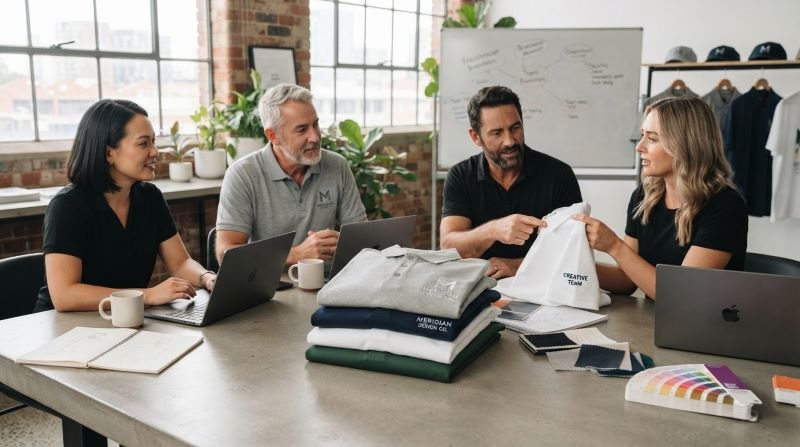
If you've ever stood in a room full of people wearing the same crisp, collared shirt with a logo stitched neatly on the chest, you already know the effect. It doesn't shout. It doesn't try too hard. It just looks put together. That's the quiet power of a custom polo shirt, and it's exactly why it remains one of the most requested items for businesses, sports clubs, hospitality venues, and event organisers across Australia.
Polos sit in this sweet spot between casual and corporate. A t-shirt can feel too relaxed for client-facing work, and a button-up dress shirt can feel overdone for a trade stand or a Saturday match. The polo splits the difference, and when you add your logo or design to it, it turns into one of the most cost-effective marketing tools your business can own.
In this guide, we'll walk through why custom polos work so well, what to think about before you order, the printing methods that actually hold up over time, and how to pick the right polo for your team.
Why Custom Polo Shirts Work So Well for Branding
A branded polo does more than dress your staff. It does three jobs at once:
It builds instant trust. Customers feel more comfortable when they can immediately identify who works for the business. A matching uniform signals professionalism before a single word is spoken.
It turns your team into a walking billboard. Whether it's a staff member at a market stall, a tradie on-site, or a volunteer at a community event, a logo on a polo gets seen by dozens or hundreds of people throughout the day, at zero ongoing cost.
It builds a sense of belonging. Sports teams, uni clubs, and small businesses alike report that uniform apparel improves team cohesion. When everyone is wearing the same shirt with the same logo, it reinforces that they're part of something bigger than themselves.
Choosing the Right Polo Before You Print
Before you jump into artwork and colours, it pays to think through a few practical details, because they'll shape how the final product looks and wears.
Fabric and Weight
Most polos are made from cotton, polyester, or a cotton-poly blend. Cotton feels breathable and soft against the skin, which is great for hospitality or retail staff on their feet all day. Polyester and poly-blend polos resist wrinkling and wick moisture better, which makes them a stronger choice for outdoor work, sports teams, and trade or safety environments.
Fit and Sizing
A polo that's too boxy looks sloppy in photos and on the shop floor; one that's too fitted can restrict movement for physical roles. Classic fit works for most workplace uniforms, while athletic or tailored fits suit customer-facing and hospitality roles where presentation matters most.
Colour and Contrast
Your logo needs to actually be visible. A dark logo on a dark polo will disappear under indoor lighting. As a rule of thumb, aim for strong contrast between the shirt colour and your design, and consider how the shirt colour reflects your existing brand palette.
Printing and Decoration Methods for Polos
Not every printing method suits every design, and this is where a lot of businesses get it wrong before they've even placed an order. Here's a quick breakdown of the main options:
Embroidery is the go-to for polos because it gives a raised, textured, premium finish that holds up to hundreds of washes. It's ideal for logos, small text, and simple designs, and it's the standard choice for corporate uniforms and workwear.
Screen printing works well for bold, solid-colour designs, especially on larger runs where cost per unit drops significantly. It's a strong choice if your logo uses one or two flat colours.
Direct-to-garment (DTG) printing is best suited to detailed, multi-colour, or photographic designs, and it performs well even on smaller order quantities.
Direct-to-film (DTF) printing is a newer method that produces vibrant, durable prints across a wide range of fabric types, including polyester blends that other methods can struggle with.
The right method really comes down to your design complexity, order size, and how the shirts will be used day to day. If you're not sure which one fits your project, a good custom apparel provider will talk you through it rather than pushing whichever method is cheapest for them.
Custom Polos for Every Kind of Business
Polos aren't just for corporate offices. They show up everywhere:
- Trade and construction teams wearing embroidered polos over hi-vis gear for site visits and client meetings
- Cafes and restaurants using branded polos to give front-of-house staff a consistent, professional look
- Real estate agencies outfitting agents in polos that reinforce brand recognition at open homes
- Sports clubs and social teams ordering matching polos for finals day or club presentations
- Corporate events and conferences where staff need to be instantly identifiable in a crowd
Whatever the setting, the same rule applies: consistent branding across every shirt makes the whole team look sharper and more credible.
Getting Custom Polos Printed in Australia
This is where working with a local, experienced provider makes a genuine difference. Overseas suppliers can be cheaper on paper, but slow shipping, unpredictable quality, and limited support around artwork and sizing often end up costing more time and money than they save.
Garment Printing, an Australian custom apparel provider based in Sydney, works with businesses, clubs, and individuals across the country to produce polo shirts using embroidery, screen printing, DTG, and DTF, with no minimum order requirements and delivery Australia-wide. That means you can order a single sample polo to check the fit and print quality, or place a bulk order for an entire staff team, without being locked into oversized minimums.
If you're ready to see your logo on a polo, you can browse the full range and start designing through their custom polo shirts page, where you can choose your fabric, colour, and decoration method before placing your order.
Final Thoughts
A custom polo shirt is a small investment that does a lot of heavy lifting. It builds trust with customers, keeps your team looking consistent, and quietly promotes your business every time someone wears it out in public. The key is getting the fabric, fit, colour, and print method right from the start, and working with a provider who can guide you through those decisions rather than leaving you to guess.
Whether you're outfitting a five-person cafe team or a hundred-strong corporate workforce, getting your polo shirts right is one of the easiest wins in building a professional, recognisable brand.