The dusty corners of a retail warehouse tell a story most designers miss. Over the last eight years in fulfillment, I’ve seen thousands of products arrive at distribution centers. The ones that break my heart aren't the ones that arrive shattered, it’s the ones that arrive "tired." Hats are particularly susceptible to this. A premium felt fedora or a structured snapback can lose its soul through micro-compressions during transit if the housing isn't right.
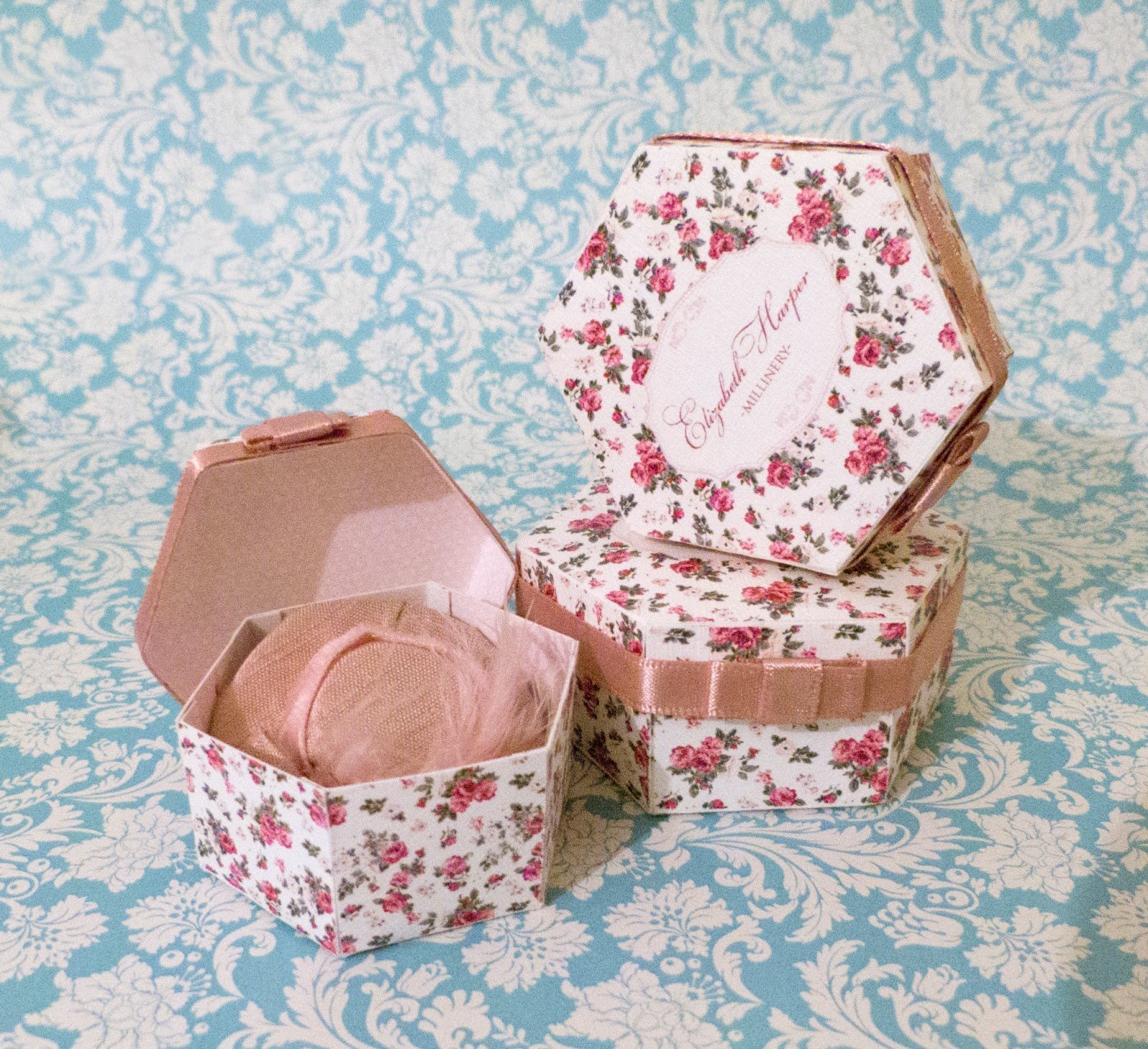
When we talk about Custom Hat Boxes, we aren't just discussing a container; we are discussing a structural insurance policy that doubles as a brand’s primary handshake with the customer.
The Engineering of the "Perfect Fit"
In the packaging world, "standard size" is a myth that leads to damaged inventory. One of the most common mistakes I see brands make is choosing a box that is slightly too large, thinking "one size fits all" saves money. It doesn't. Excessive internal movement acts like sandpaper on delicate materials like wool or straw.
True flexibility in sizing means accounting for the "crown height" and "brim stiffness." A wide-brimmed sun hat requires a shallow but expensive footprint with reinforced sidewalls to prevent the dreaded "brim droop." Conversely, structured trucker hats need vertical support to ensure the front foam panel doesn't crease. When developing Custom Hat Boxes, the internal dimensions should allow for exactly 0.5 inches of "breathability" around the widest point, enough to prevent friction, but tight enough to negate centrifugal force during sorting-belt transitions.
Material Science: Beyond the Aesthetic
From a fulfillment perspective, your choice of substrate dictates your return rate. While a thin folding carton might look sleek on a screen, it’s a disaster in a high-volume shipping environment. I always steer clients toward heavy-duty rigid boards (1200gsm and above) or high-flute corrugated stock if they are shipping direct-to-consumer.
The "finish" of the box is where the brand’s tactile identity lives. We often debate matte versus gloss, but in my opinion this is a hill I’ll die on. A soft-touch laminate is vastly superior to a standard aqueous coating for headwear. Why? Because hats are personal. When a customer runs their hand over a box that feels like suede, it subconsciously elevates the perceived value of the fabric inside before they even see it.
However a word of caution: if you go with a dark, high-gloss finish, you are inviting fingerprints and scuff marks to ruin the unboxing experience. Unless you are shrink-wrapping every unit, stay with semi-matte or textured papers to hide the "battle scars" of the supply chain.
The Logo: Precision Oversize
Flexibility in logo placement is a double-edged sword. I’ve seen brands ruin a perfectly good design by over-scaling their branding. In high-end packaging, the logo should feel like a signature, not a billboard.
Using techniques like debossing or spot UV on your Custom Hat Boxes creates a multi-dimensional look that screams quality. One industry secret I often share is the use of metallic foil stamping on the inside of the lid. It’s an unexpected "Easter egg" for the customer. When they lift the top, seeing a crisp, shimmering logo mirrored on the interior creates a moment of genuine delight that drives social media shares far more effectively than a giant logo on the exterior.
The Supply Chain Reality Check
I’ve spent enough time on factory floors to know that "flexibility" is often a code word for "complexity." To manage this, you need a partner who understands the marriage of structural integrity and aesthetic flair. This is where a firm like IBEX Packaging earns its keep, by bridging the gap between a designer’s dream and the harsh reality of a shipping container.
The biggest bottleneck in hat fulfillment isn't the assembly, it's the storage. Because hat boxes are essentially "shipping air," they take up massive amounts of warehouse real estate. My professional advice? Look for "collapsible rigid" designs. These give you the premium feel of a set-up box but arrive flat-packed, saving you roughly 70% on inbound freight and storage costs. It’s the smartest pivot a growing headwear brand can make.
Avoiding the "Over-Packaging" Trap
While we want protection, there is a fine line between "secure" and "wasteful." Today’s consumer is hyper-aware of environmental impact. If your Custom Hat Boxes are filled with plastic air pillows or non-recyclable foam inserts, you’re alienating a huge demographic.
Instead, use die-cut cardboard inserts. They are sustainable, they provide better structural bracing for the hat’s crown, and they keep the entire package within a single material stream for easy recycling. It’s better for the planet, and frankly, it looks much more professional.
My Unfiltered Take on Industry Trends
If you ask me where the industry is headed, it’s toward hyper-functional aesthetics. We are moving away from boxes that are thrown away. The goal now is to create a "keepsake" box. If your hat box is beautiful and sturdy enough to sit on a customer's closet shelf for the next five years, your brand stays top-of-mind every single morning when they get dressed. That is "free" marketing that you cannot buy with an ad budget.
Most brands fail because they treat the box as an afterthought, an expense to be minimized. The brands that win are the ones that treat Custom Hat Boxes as the first chapter of the product experience.
Conclusion
To recap, if you are looking to overhaul your packaging, start with these three pillars:
Size for the Brim, Not the Box: Don't let your product swim in its packaging.
Texture Over Shine: Use finishes that invite touch and resist the wear and tear of shipping.
Sustainability is Non-Negotiable: If it isn't recyclable or reusable, it's obsolete.
Packaging is the silent salesman of the retail world. If you get the structure right, the flexibility of the design will naturally follow, resulting in fewer returns, happier customers, and a brand image that actually holds its shape.